Are Red Headlights Legal? A Guide to Vehicle Lighting
Picture this: you’re cruising down a dark road, and a car approaches with striking, red lights instead of the usual white or amber. Your curiosity is piqued, and you might wonder: are red headlights legal? This question sparks a bigger discussion about vehicle lighting regulations and how they protect us on the road. This guide will explore this topic in detail, breaking down the laws, the reasoning behind them, and what it all means for drivers and vehicle enthusiasts. You’ll gain a clear picture of the legality surrounding red headlights and the crucial role that lighting plays in safety. This information will help you to prevent potential legal trouble.
Regulations and Laws on Vehicle Lighting
Vehicle lighting is a tightly regulated area, with laws designed to standardize what’s allowed and what isn’t. These regulations vary by location, but the overarching goal remains the same: to ensure that vehicles are visible and their intentions are clear to other drivers. This clarity minimizes the risk of accidents. Laws specify the color, intensity, and positioning of lights, dictating which colors are permitted for certain applications like headlights, taillights, and turn signals. Vehicle lighting regulations are updated constantly to stay relevant to new technologies and safety standards.
General Principles of Vehicle Lighting Laws
The rules governing vehicle lighting usually focus on a few key areas. For instance, the front of a vehicle almost always has to feature white or amber lights, such as headlights and turn signals. Red lights are typically reserved for the rear of a vehicle, primarily for brake lights and taillights, to indicate slowing or stopping. The positioning of lights is also important; headlights must be placed at a certain height and distance apart. This prevents confusion with other vehicles or road signs. The goal is to provide enough illumination without blinding other drivers. Light intensity and beam pattern are strictly regulated to maintain safety. These laws create a universal language on the roads.
- Color Restrictions: The color of vehicle lights is heavily restricted, with white or amber usually allowed for front-facing lights and red for the rear. Blue lights, for example, are often reserved for emergency vehicles, and their use by other vehicles is typically illegal. This standardization makes it easier for drivers to instantly recognize what another vehicle is doing.
- Brightness Standards: Laws also cover how bright vehicle lights can be. Lights that are too dim might not be visible in poor conditions, while those that are too bright could blind oncoming drivers. Regulations set limits for light intensity and the type of bulbs that are permitted. This ensures that the lights are powerful enough to be useful without becoming a hazard.
- Placement Rules: The location of lights on a vehicle matters. Headlights must be positioned at a specific height and distance apart, as per the rules. Taillights and brake lights have a set arrangement as well. This consistent placement makes it easy for other drivers to quickly grasp the position and intentions of other vehicles, helping to prevent accidents.
Exceptions to the Rule: Specialized Lighting
While the rules on lighting might seem simple, there are exceptions. Emergency vehicles, such as police cars and ambulances, often have specific lighting configurations, including flashing red, blue, and white lights, to alert other drivers of their presence and request right of way. Construction vehicles also use specific lighting, such as amber flashing lights, to warn drivers of hazards and work zones. Other exceptions include motorcycles, which can sometimes use amber or white lights for turn signals and brake lights. These exceptions exist because the function of these vehicles is different and require specific lighting configurations. Such setups are necessary for their safety and effectiveness in carrying out their jobs.
The Legality of Are Red Headlights Legal?
The core question driving this discussion is are red headlights legal? Generally, the answer is a firm no. Most places have clear laws that prohibit the use of red lights as headlights. This is because red lights are typically reserved for the rear of the vehicle, primarily for brake lights and taillights. The primary aim is to avoid confusion on the road. If a driver sees red lights coming toward them, they could mistakenly believe that the approaching vehicle is either braking or backing up. Red headlights can create dangerous situations. This confusion can lead to delayed reactions and increased accident risk.
Reasons Why Red Headlights Are Illegal
There are several reasons why red headlights are not allowed. One is the possibility for confusion with other important lights. As mentioned, red lights are associated with braking or the rear of a vehicle. This can lead to misinterpretation by other drivers, potentially causing them to make decisions that they wouldn’t if they realized the vehicle was moving forward. Additionally, red light’s visibility in certain conditions might not be ideal. Red light may not be as visible as white or amber in foggy or other low-visibility scenarios, further compromising safety. The standardized use of light colors helps to provide a consistent and predictable driving environment.
- Color Coding: Traffic laws use color coding for a reason. Red is almost universally used for the rear of vehicles, signaling actions like stopping or slowing down. Using red for headlights disrupts this code, making it harder for drivers to rapidly assess a situation.
- Visibility Issues: While red is a visible color, its effectiveness as a headlight color isn’t always optimal. Red might not penetrate fog or heavy rain as effectively as white or amber light, reducing the vehicle’s visibility in these situations and potentially causing safety issues.
- Preventing Confusion: The most important thing is preventing confusion. If red lights are used as headlights, drivers may believe they’re seeing a vehicle that is stopping or backing up, leading to reactions that might be incorrect. This confusion increases the risk of crashes.
Penalties for Using Red Headlights
If you’re caught using red headlights, you could face penalties. These can include a fine, a warning, or, in some cases, the requirement to have your vehicle inspected to ensure the lighting complies with local laws. The severity of the penalty varies depending on where you live, as well as the specifics of the violation. Repeated offenses may result in more severe punishments. You might even lose points on your driving record. It’s always best to be aware of the laws in your area and comply with them to avoid trouble with the law.
The Function of Headlights and Their Importance
Headlights are among the most important safety features on any vehicle. They serve multiple functions, all of which are critical for safe driving. Headlights are designed to illuminate the road ahead, providing drivers with visibility in low-light conditions, such as night, dawn, dusk, and during inclement weather like rain or snow. This is essential for seeing hazards, other vehicles, pedestrians, and anything else that might be in your path. The proper function of headlights increases reaction time and helps to prevent accidents.
Headlight Technology and Types
Over the years, headlight technology has evolved significantly. From basic incandescent bulbs to halogen, and now to more advanced options such as LED and xenon headlights, these improvements have changed the way we see the road and how other drivers see us. LED headlights provide superior brightness, longevity, and energy efficiency. Xenon headlights produce a bright, bluish-white light. The choice of headlight technology affects the vehicle’s ability to see and be seen, thereby improving safety. Advancements in headlight tech enhance driver visibility.
- Incandescent Bulbs: These were the original headlights, producing light by heating a filament. They were simple but inefficient and had a shorter lifespan compared to more modern options.
- Halogen Bulbs: Halogen bulbs improved upon incandescent lights, providing brighter light and lasting longer. They are still common but are gradually being replaced by LED and xenon options.
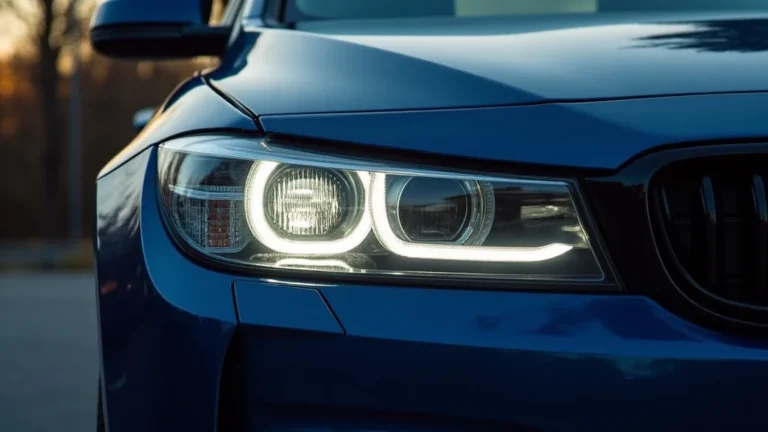
- LED Headlights: LED (Light Emitting Diode) headlights are becoming more and more popular because of their energy efficiency, long life, and superior brightness. They often come with features like adaptive driving beam, which adjusts the light’s pattern based on the driving situation.
- Xenon Headlights: Also known as high-intensity discharge (HID) headlights, xenon lights use a gas discharge to produce a bright, white, or slightly bluish light. They’re very bright and provide excellent illumination, but they can be expensive to replace.
The Impact of Headlights on Road Safety
Good headlights can considerably lower the risk of accidents. According to data from the National Highway Traffic Safety Administration (NHTSA), a significant percentage of accidents happen at night. Poor visibility due to inadequate or malfunctioning headlights is a contributing factor in many of these incidents. Headlights not only help drivers see the road but also make a vehicle more visible to others, which is critical in preventing collisions. Therefore, headlights are a key element in road safety, helping drivers respond fast and avoid accidents.
One study revealed that in the United States:
| Lighting-Related Crashes | Percentage of Total Crashes |
|---|---|
| Nighttime Crashes | Around 40% |
| Daytime Crashes (with poor visibility) | Approximately 20% |
Alternatives to Red Headlights: Legal Options
If you’re interested in customizing your vehicle’s lighting, but want to stay within the law, there are various alternatives to red headlights. These options offer different levels of style and functionality while still adhering to vehicle safety standards. You can improve your vehicle’s appearance and how well it lights the road ahead by choosing the right lighting features.
Legal Headlight Colors and Modifications
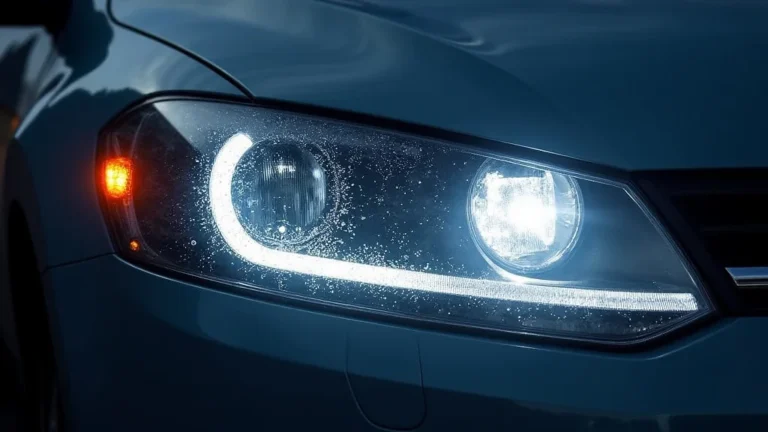
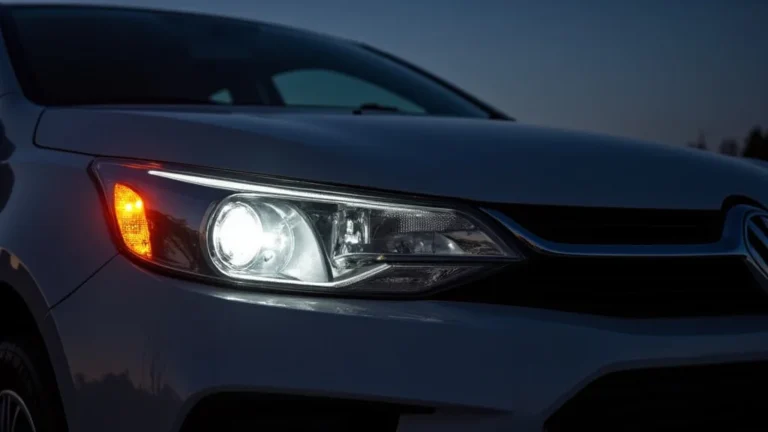
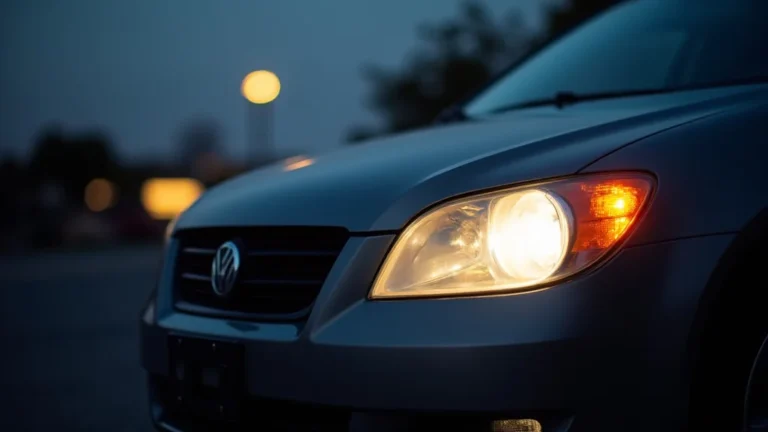
The most common and legal colors for headlights are white or amber. White lights offer clear illumination and are universally recognized. Amber lights are often used in turn signals, which add to the visual distinctiveness of the vehicle. There are legal ways to customize your headlights while keeping things safe. You can explore different bulb types, such as LED or xenon, which can improve brightness and overall visibility. You can also explore different headlight housings or light covers, as long as they meet the regulations in your area. Always confirm any changes with local laws before going ahead.
- White Headlights: White headlights are the most common and generally accepted option. They provide good visibility in most conditions and are a standard feature in vehicles.
- Amber Headlights: Amber (yellowish-orange) lights are commonly used in turn signals and sometimes in fog lights. They can be helpful in low-visibility conditions and are easily visible by others.
- LED Upgrades: LED headlights are a great upgrade. They are bright, long-lasting, and energy-efficient. They can be installed as direct replacements for existing bulbs, improving the visibility of the vehicle on the road.
- Custom Housings: Many aftermarket companies provide custom headlight housings. You can alter the look of your car while still using standard bulb colors, as long as the housing adheres to visibility regulations.
Safe and Stylish Lighting Choices
The goal is to choose options that improve both safety and style. When making choices, prioritize the effectiveness and visibility of the lighting. Ensure that the lights you select comply with local laws and do not obstruct the view of others. Think about using brighter, more energy-efficient bulbs, like LEDs or HIDs. Make sure your headlights are correctly aimed, which is crucial for optimal visibility and to prevent blinding other drivers. You can also add safety features like daytime running lights (DRLs) to increase visibility. These will make your vehicle noticeable on the road.
Frequently Asked Questions
Question: What is the main reason red headlights are illegal?
Answer: Red headlights are illegal primarily due to the potential for confusion with brake lights and other rear-facing lights, leading to dangerous misinterpretations by other drivers.
Question: Are there any exceptions to the rules on headlight colors?
Answer: Yes, emergency vehicles like police cars and ambulances have specific lighting configurations, including flashing red and blue lights. Construction vehicles may also use specific lighting.
Question: What are the best legal alternatives to red headlights?
Answer: The best legal options include white or amber headlights, LED upgrades, and custom headlight housings, all as long as they adhere to local laws and regulations.
Question: What might happen if I get caught with red headlights?
Answer: You might face a fine, a warning, or be required to have your vehicle inspected to ensure the lighting complies with the laws in your area. Repeat offenses can lead to increased penalties.
Question: How important is headlight maintenance?
Answer: Regular maintenance is important. Keep your headlights clean and replace bulbs if they become dim. This enhances visibility for both you and other drivers on the road.
Final Thoughts
So, are red headlights legal? In almost all cases, the answer is a resounding no. Vehicle lighting laws are structured to promote safety and clear communication on the road. The red color is strictly reserved for the rear of vehicles, which tells other drivers that a car is stopping or slowing down. Using red lights for headlights would create potential confusion, increasing the risk of accidents. If you’re looking to modify your vehicle’s lighting, there are plenty of legal and stylish options to choose from, such as white or amber headlights and more modern technologies like LEDs. These can enhance your car’s look and improve visibility. Keep safety a priority and make sure you comply with local regulations. Stay informed on the lighting laws in your area to maintain your vehicle safely.