How to Minimize Headlight Glare for Safer Night Driving
Driving at night can be tricky, especially when bright headlights shine right at you. For beginners, figuring out how to stop windshield glare from headlights can seem hard. But don’t worry! It’s a common issue, and there are straightforward solutions. This guide will show you how to handle glare, making your night drives much safer and easier. Let’s explore how you can improve your visibility on the road.
Understanding Why Headlight Glare Happens
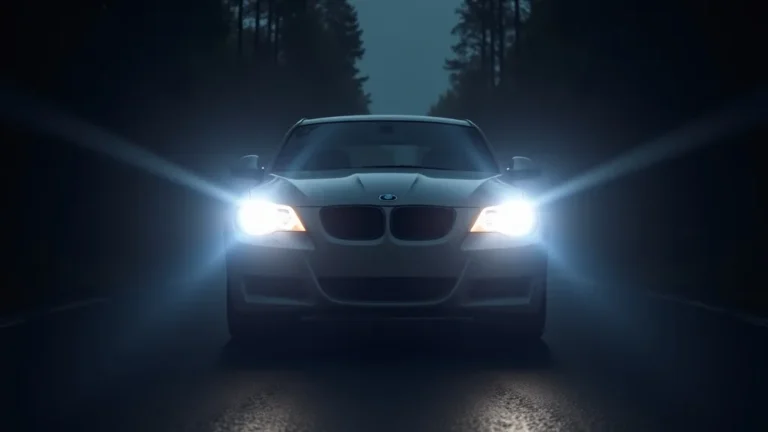
Headlight glare, that blinding flash from oncoming cars or the vehicles in front, is a common problem for drivers. It happens when bright lights hit your windshield, scattering and making it tough to see. This effect isn’t just annoying; it can be dangerous, reducing your ability to spot hazards and react quickly. Various factors play a role, from the type of headlights used to the angle of the light and the condition of your windshield. Let’s delve into these factors to fully grasp why glare occurs and how it impacts your driving.
The Science Behind Glare
Glare occurs because of the physics of light. When light from headlights hits your windshield, it doesn’t pass straight through. Instead, some of the light bounces off the glass. This is reflection. The rougher the surface of the glass, the more the light scatters. This scattering creates a diffused, blinding effect, making it hard for your eyes to focus. This effect worsens at night because your pupils dilate, letting in more light, which then scatters more.
- Light Reflection: Glass isn’t perfectly transparent. Tiny imperfections on the windshield cause light to scatter, leading to glare.
- Angle of Incidence: The angle at which light hits the windshield is key. A light source directly in front of you produces more glare.
- Pupil Dilation: Your pupils widen in low light conditions, letting more light in. This increases sensitivity to glare.
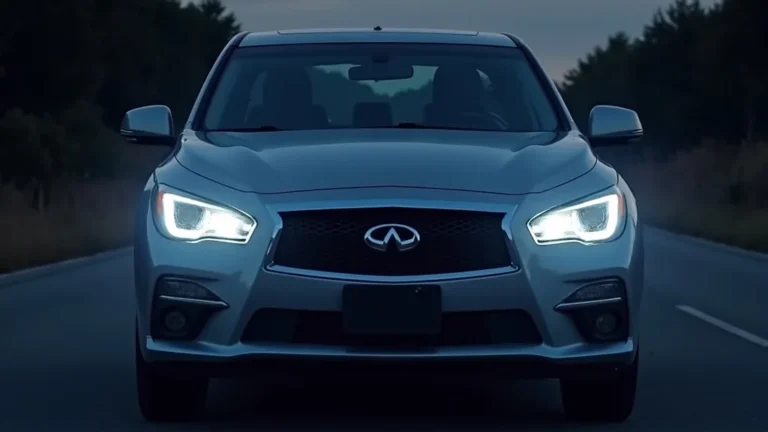
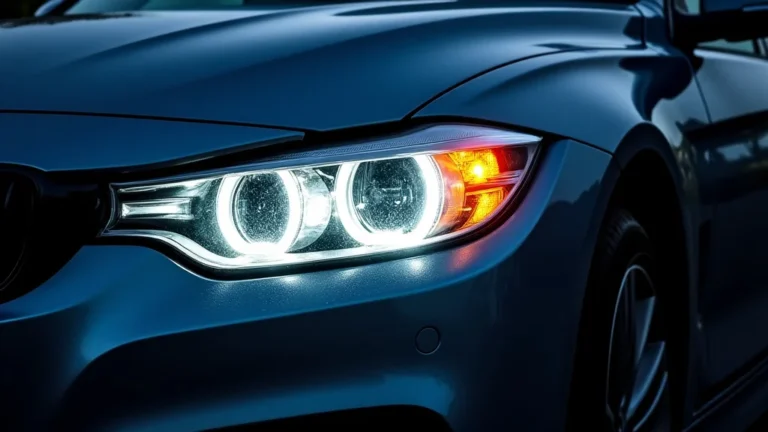
The intensity of glare also depends on the light source. Modern headlights, such as those with LED or HID technology, are often brighter than older halogen bulbs. While these brighter lights improve visibility for the driver of the car, they can worsen glare for other road users. This effect makes it vital to know strategies to lessen its impact.
Types of Headlights and Their Impact
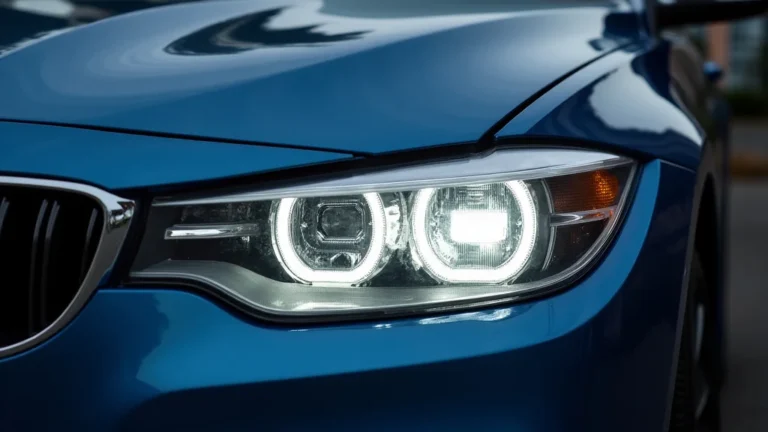
Not all headlights are created equal when it comes to glare. Older halogen lights, while less bright, can still cause glare, especially if the lens is dirty or the bulb is positioned improperly. Newer technologies, such as high-intensity discharge (HID) and light-emitting diode (LED) headlights, are much brighter. They provide better illumination, but they can also generate a more intense glare. Understanding the differences is important for managing how you respond to various headlight types while on the road.
- Halogen Headlights: These are older but still commonly used. They emit a yellowish light and can cause glare, especially if the lens is dirty or the aim is off.
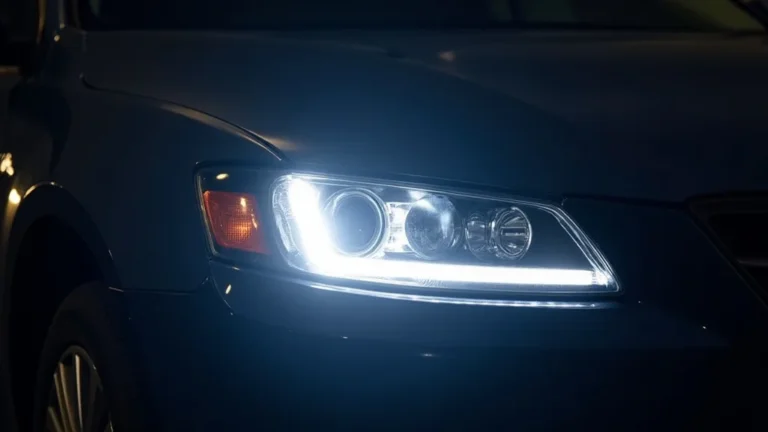
- HID (High-Intensity Discharge) Headlights: These are brighter and often have a bluish tint. While they illuminate the road better, they can also cause more intense glare.
- LED (Light-Emitting Diode) Headlights: LED headlights offer bright, focused light. They are energy-efficient but also cause glare if not aimed correctly.
The brightness of a headlight is measured in lumens. LEDs and HIDs generally emit a higher lumen output, making the beams more intense. Some states now have regulations about headlight brightness to limit glare. For example, some jurisdictions limit the brightness of aftermarket LED headlights to prevent excessive glare that can blind other drivers. Be aware of the regulations in the areas you drive to avoid issues.
Cleaning and Maintaining Your Windshield
The state of your windshield directly influences how much glare you experience. A clean, well-maintained windshield is important for clear vision, especially at night. Dirt, grime, and scratches on the glass can worsen glare, even from standard headlights. Regular cleaning and proper maintenance can significantly improve visibility and reduce the negative impact of oncoming lights. Let’s get into the specifics of caring for your windshield to improve your driving experience.
Proper Cleaning Techniques
Keeping your windshield clean is a simple but important step. Dirt, dust, and bug residue can scatter light and increase glare. You should clean your windshield frequently, particularly if you drive in dusty or insect-prone areas. Use a quality glass cleaner and a microfiber cloth or a lint-free towel to avoid streaks. Cleaning the inside of your windshield is just as important as the outside, as films from the dash or from smoking can create glare.
- Regular Washing: Wash your windshield at least weekly.
- Quality Cleaner: Use a glass cleaner designed to remove dirt and grime.
- Microfiber Cloths: Always use a clean microfiber cloth or a lint-free towel.
- Clean Inside & Out: Don’t forget to clean the inside of your windshield, too, as this is where film often builds up.
You can also use a dedicated windshield cleaning fluid in your car’s washer fluid reservoir for added convenience. This fluid will help clear your windshield of any road grime or other debris while you’re driving. The key to effective cleaning is consistency. Make it a habit to check and clean your windshield regularly to make sure the glass is clear.
Addressing Windshield Damage
Scratches and chips in your windshield scatter light, intensifying glare. Small chips can be repaired, but larger cracks may need complete windshield replacement. Don’t delay addressing these issues, as the damage worsens over time. This includes small chips caused by rocks or debris. Prompt action not only enhances visibility but also ensures your safety.
- Small Chips: Repair small chips as soon as possible to stop them from spreading.
- Larger Cracks: Replace the windshield if there are any major cracks to ensure good visibility.
- Professional Inspection: Have your windshield inspected by a professional to assess its condition.
- Consider a Protective Coating: Some windshields can be treated with a special coating that helps to repel water, dirt, and reduce glare.
Regular inspections and quick repairs can save you money and keep you safe. Many insurance companies cover windshield repairs, so check your policy. Addressing minor damage quickly prevents more significant and expensive repairs down the road. Damaged windshields also reduce the structural integrity of your vehicle, posing a danger in an accident.
Adjusting Your Driving Habits to Reduce Glare
Besides windshield maintenance, you can adjust your driving behaviors to greatly lessen glare. Knowing how to react to headlight glare is as important as having a clean windshield. Simple changes in your driving habits can make night driving much safer and more comfortable. This involves adjusting your seat position, using your mirrors properly, and being aware of other drivers.
Seat Position and Eye Level
Your seat position affects your eye level and the angle at which you view the road. If you sit too low, more of your vision will be at the level of oncoming headlights, intensifying glare. Adjust your seat to find the position that gives you the best view. This also means making sure your seat is high enough to see over the dashboard without straining. Finding the right position makes a big difference.
- Optimal Height: Adjust your seat so your eyes are at a good height.
- Tilt Adjustment: Adjust the seat back to support your posture.
- Headrest: Ensure your headrest is correctly positioned for support.
Proper posture also plays a role in reducing glare. Sitting upright can give you a better view of the road and help you avoid unnecessary strain. The right seat adjustments ensure your eyes aren’t strained and help prevent fatigue during long night drives. Taking the time to adjust your seat correctly can greatly improve your night-driving comfort.
Mirror Adjustments and Usage
Your mirrors can amplify the effects of glare, especially the rearview mirror. Knowing how to use and adjust your mirrors correctly is key. Many cars have a day/night setting on the rearview mirror. This reduces glare by changing the angle of reflection. Regularly check and adjust your mirrors to make sure they are giving you the best visibility possible.
- Day/Night Mirror: Use the day/night setting on your rearview mirror to reduce glare.
- Side Mirrors: Angle your side mirrors to lessen glare from vehicles behind you.
- Check Blind Spots: Always check your blind spots before changing lanes, as glare can make it harder to see.
Proper mirror adjustments and routine glances at your side mirrors will keep you aware of other vehicles on the road. Remember that even when the light reflects on the mirror, you must use your mirrors to keep track of other vehicles on the road. It helps you stay aware of your surroundings.
Using Specialized Solutions and Products
Several products and solutions are available to further minimize glare. Tinted windshields, anti-glare glasses, and special coatings are designed to improve visibility during night driving. Some of these options require more investment, but they can significantly improve your ability to see clearly. Let’s look at some popular solutions that can help you deal with the issues of nighttime driving.
Anti-Glare Glasses and Visors
Anti-glare glasses are designed to filter out certain wavelengths of light that cause glare. They can reduce the intensity of oncoming headlights. Visors also work, offering a physical barrier to block some of the light. Pairing these items can give an added layer of protection. These solutions are practical and easy to use.
- Anti-Glare Glasses: These glasses reduce glare by filtering out certain wavelengths of light.
- Yellow-Tinted Lenses: These can improve contrast in low-light conditions.
- Visors: A tinted visor provides another layer of protection by blocking direct light from above.
Anti-glare glasses can improve your vision, but it’s important to choose a pair specifically designed for driving at night. Some glasses may reduce overall visibility in low-light conditions. Always try glasses and visors before buying them to ensure they provide good visibility without causing discomfort. Reading reviews can help you in the selection process.
Windshield Coatings and Treatments
Special coatings and treatments can be applied to your windshield to reduce glare. These coatings create a surface that reduces light scattering. They also can help to repel water, which can improve visibility in rain and at night. These treatments often come with added benefits, like easier cleaning and protection against UV rays.
- Anti-Glare Coatings: These create a smoother surface, reducing light scattering.
- Water-Repellent Treatments: These help water bead up and roll off your windshield, improving visibility in the rain.
- Professional Application: Consider having a professional apply the treatment for the best results.
Many windshield treatments are easy to apply and provide several benefits. They are particularly useful if you live in an area with a lot of rain or snow. They can also make it easier to remove ice and frost from your windshield in the winter months. Before deciding on a coating, investigate the specific features and the ease of use.
Addressing Glare From Other Sources
While headlights are the main cause of glare, other light sources can also reduce visibility. Streetlights, traffic signals, and even the reflection from shiny surfaces can create glare. Learning how to identify and deal with these various light sources can improve your overall ability to see. Recognizing and adapting to these conditions improves the safety of your night drives.
Streetlights and Traffic Signals
Streetlights can sometimes cause glare, especially if they are bright or positioned poorly. Similarly, traffic signals, particularly those with LED lights, can generate glare. It is vital to learn how to adapt your driving to these sources. When streetlights are bright, slow down and be cautious.
- Adjusting Your Eyes: Allow your eyes time to adjust when moving between lit and unlit areas.
- Avoid Staring: Avoid staring directly at bright streetlights or traffic signals.
- Slowing Down: Drive at a slower speed in areas with excessive lighting.
Being aware of the location of streetlights and traffic signals is a key skill. It allows you to anticipate potential glare and make necessary adjustments to your driving. Understanding the positioning of these sources will make it easier to reduce the effect of lights on your vision.
Reflections from Surfaces
Reflections from wet roads, shiny signs, and other surfaces can also cause glare. During and after rain, the road surface reflects light, potentially reducing visibility. Other reflective objects, like shiny road signs, can also create distracting reflections. Paying attention to these situations will help you lessen their impact. By learning how to anticipate these issues, you will see a big improvement in your night driving.
- Wet Roadways: Reduce speed and increase following distance when driving on wet roads.
- Shiny Signs: Be aware of the position of reflective signs.
- Sunglasses: Wear sunglasses during the day to reduce overall glare and improve visual comfort.
Reducing speed and increasing your following distance are important steps when dealing with reflections from wet surfaces. By slowing down, you give yourself more time to react to unexpected hazards. Being ready for potential glare from reflections improves your overall driving experience.
Frequently Asked Questions
Question: What’s the best way to handle glare from oncoming headlights?
Answer: Briefly look to the right side of the road to avoid the direct impact of the lights while keeping your eyes on the road. Make sure your windshield is clean and use the day/night setting on your rearview mirror.
Question: Do yellow-tinted glasses really help with headlight glare?
Answer: Yes, yellow-tinted glasses can help improve contrast and reduce glare in low-light conditions. These work by filtering certain light wavelengths, reducing the intensity of oncoming headlights.
Question: How often should I clean my windshield to reduce glare?
Answer: You should clean your windshield regularly, ideally at least once a week. This removes dirt and grime that worsen glare.
Question: What can I do if I am frequently blinded by headlights?
Answer: Adjust your seat and mirrors to get the best angle to see. Reduce your speed and increase the distance between you and the vehicle in front. Make sure your windshield is clean and use anti-glare glasses if needed.
Question: Are there any specific windshield treatments that help with glare?
Answer: Yes, there are windshield coatings that reduce glare. These coatings smooth the windshield surface and can also repel water, improving visibility during rain.
Final Thoughts
Dealing with how to stop windshield glare from headlights involves a mix of maintenance, habit adjustments, and using the right tools. Keep your windshield clean and in good condition to begin with. Be ready to adjust your seat and mirrors for optimal vision. Use your mirrors properly and consider anti-glare glasses or visors. By following these steps, you can significantly lessen the negative impact of headlights, making your nighttime drives much safer and more comfortable. Remember to consistently apply these methods. The more you work on your techniques, the easier and safer your night drives will become. Drive safe, and enjoy the road!