How to Reduce Glare From Headlights and Improve Safety
If you’ve driven at night, you’ve likely dealt with it – blinding headlights! Figuring out how to fix headlight glare for oncoming drivers can feel tricky, especially if you’re new to driving or unsure what’s causing the problem. Don’t worry, it’s a common issue, and there are straightforward solutions. We’ll explore the main causes of this glare and offer simple, actionable steps you can take to make night driving safer and more comfortable. Get ready to find out what you can do!
Understanding Headlight Glare and Its Impact
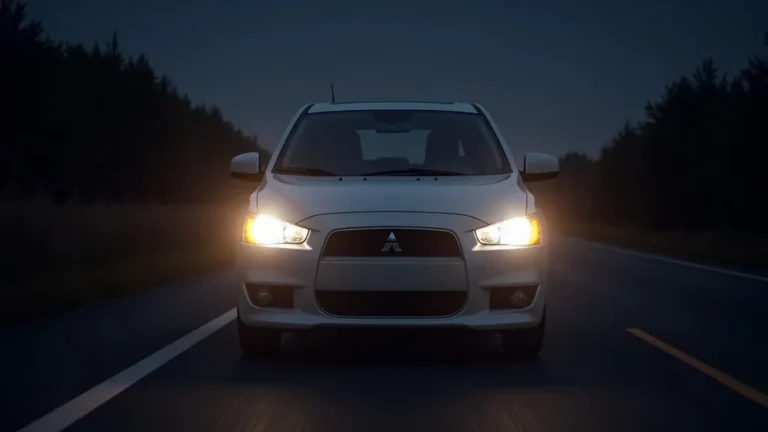
Headlight glare happens when the bright light from a vehicle’s headlights makes it difficult for you to see the road. This can happen whether you are the driver or an oncoming vehicle. It’s often worse at night because your pupils dilate to let in more light, which makes you more sensitive to bright lights. This glare is a major safety issue because it can temporarily blind you or create “tunnel vision,” where you can only see what’s directly in front of you. This reduces your reaction time and increases the risk of an accident. Factors like vehicle height, headlight type, and weather conditions can all make glare more or less severe.
The Science Behind Glare
Glare occurs because of several optical effects. Light from headlights scatters as it passes through the atmosphere, especially in rain, fog, or snow. This scattering effect is intensified when the headlights are too bright or aimed incorrectly. Additionally, the human eye has a limited ability to adjust to rapid changes in light intensity. When a bright light source enters your field of vision, your eyes need time to readjust, which can leave you temporarily blinded. This is why glare from headlights is so problematic. Understanding this science helps us appreciate the importance of solutions.
- Pupil Response: Your pupils control how much light enters your eye. When a bright light appears, the pupils constrict to protect the retina, but this can reduce your ability to see clearly.
- Light Scattering: Light travels in straight lines; however, when it encounters particles in the air, such as rain, snow, or fog, it scatters in all directions. This scattering is the primary source of the “glow” of glare.
- Retinal Adaptation: The retina in your eye has cells called rods and cones, which are responsible for vision in different light levels. When exposed to bright light, it takes time for your eyes to readjust to lower light conditions.
- Visual Obstruction: Glare can create a “halo” effect around the headlights, which can obscure other objects on the road, making it challenging to see pedestrians, cyclists, or road signs.
Consider the scenario of driving in heavy rain. The water droplets act as tiny prisms, scattering the light from oncoming headlights across your windshield, amplifying the glare. This effect is compounded if your windshield is dirty or has scratches, which further scatter the light. Similarly, in foggy conditions, the water droplets are suspended in the air. This causes light to scatter extensively. According to studies, accidents that occur at night are 3 to 4 times more frequent compared to daytime driving.
Types of Headlights and Their Glare Potential
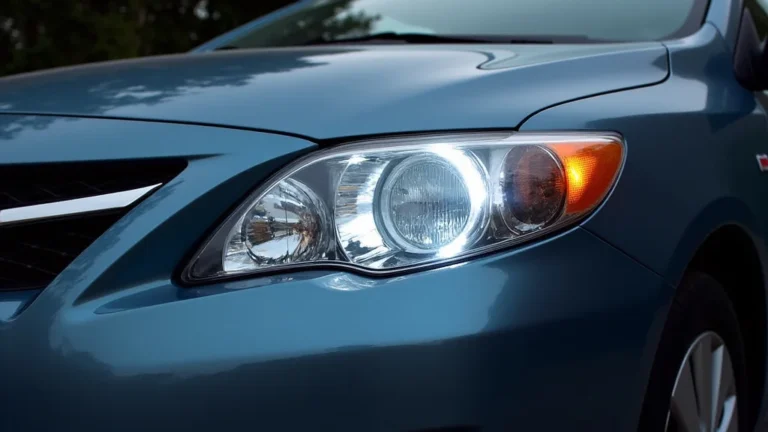
Different types of headlights have varying levels of glare. Traditional halogen headlights are generally less intense, but they can still cause glare if improperly aimed. High-intensity discharge (HID) headlights, which use xenon gas, produce a brighter light and can cause more glare if not properly installed or maintained. LED headlights are becoming increasingly common; while they are energy-efficient, the intensity and focus of their light can also produce a significant amount of glare. The color temperature of the light also plays a role. Bluer light, often associated with higher color temperatures, tends to create more glare than warmer, yellowish light.
- Halogen Headlights: These are the most common type of headlights. Their light is usually less intense than HID or LED lights, resulting in less glare, but the aim of these headlights is critical.
- HID Headlights: HID lights use xenon gas, creating a brighter and more intense light. If these headlights are not installed or aimed correctly, they can produce considerable glare.
- LED Headlights: LEDs are energy-efficient and offer a bright light. However, their intensity can contribute to increased glare, especially if the beam is not well-focused.
- Adaptive Headlights: Some modern vehicles have adaptive headlights, which adjust the light beam to follow the road and reduce glare for other drivers.
- Light Color Temperature: Headlights with a higher color temperature (bluer light) often appear brighter and can cause more glare than those with a lower color temperature (yellower light).
Here’s a comparison table showing the differences between common headlight types:
| Headlight Type | Brightness | Glare Potential | Efficiency |
|---|---|---|---|
| Halogen | Moderate | Moderate | Lower |
| HID | High | High | Moderate |
| LED | High | High | High |
How to Fix Headlight Glare for Oncoming Drivers: Practical Steps
Addressing glare involves multiple strategies, both for those experiencing it and those causing it. Proper headlight maintenance is key, but simple driving habits can significantly reduce your discomfort. Additionally, checking your own vehicle’s headlights is important to ensure they are properly aimed and working correctly. These solutions involve some simple adjustments, which can drastically improve your driving experience.
Adjusting Your Driving Behavior
Changing how you drive is a simple way to deal with glare. This mostly involves modifying your gaze and following other vehicles with caution. Keeping a safe distance helps, and understanding these techniques will immediately make night driving safer. These quick actions can make a huge difference in your safety and comfort while behind the wheel.
- Look Down and Right: When an oncoming vehicle’s headlights are causing glare, shift your gaze down towards the right edge of your lane. This helps your eyes avoid the direct glare and allows you to maintain awareness of the road.
- Reduce Speed: Decreasing your speed gives you more reaction time to respond to hazards. It’s particularly important when visibility is reduced.
- Increase Following Distance: Keeping a greater distance from the vehicle in front provides more time to react to any sudden stops or changes in traffic. This is critical in glare conditions.
- Use the Road Lines as a Guide: The lane markings can act as a guide when your vision is affected. Use them to stay within your lane.
- Avoid Looking Directly at Headlights: Direct eye contact with the headlights makes the glare worse. Redirect your vision while maintaining awareness.
For example, imagine you are driving on a dark highway and encounter a vehicle with excessively bright headlights. Instead of staring directly at them, quickly glance at the white line on the right side of the road. This helps you to maintain your lane position while minimizing the impact of the glare. Similarly, if you’re approaching a curve, start your turn a little earlier than usual to anticipate any obstacles obscured by the glare. Studies show that maintaining a safe following distance reduces accident risk.
Ensuring Your Headlights Are Properly Aimed
Properly aimed headlights are important to stop glare and ensure that you can see the road safely. Incorrect headlight aim is a big contributor to glare. Checking your headlights is easier than you think, and doing so can boost your night-driving safety and that of others. Correcting this is a fundamental step in reducing glare.
- Check the Aim: Park your car on a level surface facing a wall or garage door. The headlights should be aligned symmetrically and not point upwards.
- Use the Headlight Adjustment Screws: Most vehicles have adjustment screws near the headlight assembly. Use these to move the vertical and horizontal position of the headlight beams.
- Professional Alignment: If you are not confident adjusting your headlights, visit a mechanic or auto shop to have them professionally aligned.
- Regular Inspections: Ensure your headlights are checked during regular car servicing.
- Test with Load: Make adjustments when your vehicle has a typical load (passengers, cargo), as this can change the aim.
Consider a scenario where your vehicle is fully loaded with passengers and luggage for a road trip. The added weight at the rear of the car could cause the headlights to tilt upward, increasing the glare for oncoming drivers. To deal with this, you can adjust the headlight aim using the adjustment screws. Park the car, turn on the headlights, and use a level to make sure the light beam is at the correct level before heading out. Proper adjustment helps prevent glare while maintaining the best possible road visibility.
Windshield Maintenance and Care
A clean windshield is crucial for reducing glare. Dirt, streaks, and scratches on your windshield can scatter light, making glare worse. Cleaning and maintaining your windshield will improve visibility and reduce glare while driving at night. A clean windshield is your friend.
- Clean Regularly: Wash your windshield regularly with a quality glass cleaner to remove dirt, grime, and bugs.
- Use Good Windshield Wipers: Replace worn wiper blades to ensure they effectively clear water and debris, which often worsens glare.
- Inspect for Scratches: Small scratches can scatter light. If you find a lot of scratches, consider replacing the windshield or using a scratch repair kit.
- Avoid Dirty Air Vents: Make sure your windshield’s air vents stay clean. Dirty vents can cause moisture buildup on the inside, which can lead to glare.
- Use Windshield Treatment: Consider applying a water-repellent coating to the windshield to help water bead up and roll off, improving visibility.
Here’s a case study: You’re driving in a rainstorm, and the headlights from oncoming traffic appear extremely bright and scattered. A thorough inspection of the windshield reveals that it is covered in streaks, smears, and small scratches. Because of this, the light scatters as it hits your windshield. After cleaning your windshield with glass cleaner and replacing the worn wipers, visibility is noticeably improved, and the intensity of the glare is reduced. According to research, clean windshields significantly reduce the chances of accidents in poor visibility conditions.
Advanced Solutions and Future Technologies
While the steps described earlier are important, several advanced solutions can also help minimize glare. The development of new headlight technology and driving aids can significantly improve safety and comfort. These new approaches offer hope for a safer driving experience. Exploring these technologies shows the progression of automotive safety.
Adaptive Headlight Systems
Adaptive headlight systems are designed to change the shape and direction of the headlight beam based on various factors, such as vehicle speed, steering angle, and the presence of other vehicles. This helps optimize illumination for the driver while reducing glare. Adaptive lighting systems are improving the ability to see and avoid accidents.
- Dynamic Beam Adjustment: These systems change the direction and intensity of the headlight beam in response to the steering angle.
- Glare Reduction: The system can dim certain sections of the headlight beam to avoid shining directly into the eyes of oncoming drivers.
- Enhanced Night Vision: Some systems use infrared cameras to detect pedestrians, cyclists, and animals.
- Cornering Lights: Many adaptive headlights have cornering lights that illuminate the sides of the road as the vehicle turns.
- High-Beam Assist: These systems automatically switch between high and low beams as needed, reducing driver workload.
Imagine driving on a winding, dark road with adaptive headlights. As you approach a curve, the headlights automatically adjust, shining light into the direction of the turn, giving you better visibility. When an oncoming car approaches, the system dims the section of the beam directed toward the other driver, reducing glare while maintaining maximum illumination for the rest of the road. This technology helps to optimize both visibility and safety. Several studies show that adaptive headlights contribute to a notable reduction in accidents, especially during nighttime hours.
Advanced Headlight Technologies
The advancement of headlight technology keeps getting better, making driving safer at night. Innovative designs and features are continually emerging to enhance visibility. These technologies represent a commitment to improving road safety.
- Matrix LED Headlights: These lights use numerous LEDs that can be individually controlled. This allows them to create precise beam patterns, reducing glare.
- Laser Headlights: Laser headlights offer an extremely bright and focused beam, improving the range of visibility.
- Pixel Headlights: Similar to matrix LED headlights, pixel headlights give even finer control over the light beam, allowing for greater precision in glare reduction.
- Anti-Glare High Beams: These systems combine high beams with glare-reduction technology. They automatically dim certain parts of the beam that could blind other drivers.
- Automated Aiming Systems: These systems use sensors to automatically adjust the headlight aim to match driving conditions and vehicle load.
Consider a car equipped with matrix LED headlights. As you drive on a dark, two-lane road, the headlights can automatically adjust the light beam to create a “tunnel” of light around oncoming vehicles, ensuring that the road ahead is illuminated. This allows you to see the road clearly, with a reduction in glare for oncoming drivers. Research demonstrates that drivers using advanced headlight technologies report improved visibility and less eye strain during night driving. This technology also leads to improved accident rates.
Vehicle Maintenance and Inspections
Maintaining your vehicle is an ongoing process. Regular maintenance of your headlights and other systems will help to make your vehicle safe. Simple maintenance makes sure your vehicle is prepared for nighttime driving.
Regular Headlight Checks and Maintenance
Regular maintenance ensures that your headlights operate correctly and stop the occurrence of glare. Regular inspections and maintenance are key to safe driving.
- Check Bulbs Regularly: Replace burned-out or dim headlight bulbs immediately.
- Clean Headlight Lenses: Clean headlight lenses regularly to ensure they are clear and free of dirt and debris.
- Inspect Wiring: Have a mechanic check the wiring of your headlights to ensure there are no loose connections or damage.
- Replace as Needed: Replace headlight components, such as the housing or lenses, when they show signs of damage or wear.
- Aiming Adjustments: Have your headlights professionally aimed every year or after any work has been done on your car’s front end.
Consider an instance where your headlight is working, but the lens is foggy and discolored. The diminished light output and altered beam pattern will decrease visibility. Cleaning the lens with a headlight restoration kit may make the headlight brighter and cut down on glare. Regular headlight maintenance boosts safety and performance, making night driving safer. Studies reveal that regular headlight inspections significantly contribute to traffic safety.
The Importance of Professional Inspections
Professional inspections offer another layer of protection. This will allow a professional to find and fix issues that could contribute to glare. These checks make sure your headlights stay in tip-top shape.
- Expert Diagnostics: Trained mechanics can identify issues with your headlight system.
- Proper Adjustments: Professionals can correctly aim your headlights using specific tools and procedures.
- Compliance: They can check whether your headlights meet safety standards and regulations.
- Preventative Maintenance: They can catch problems early, which can avoid costly repairs.
- Comprehensive Service: These inspections are often combined with other vehicle maintenance services, ensuring the whole vehicle is working well.
Imagine your vehicle undergoing a routine checkup. The mechanic notices that your headlights are improperly aimed and directs the beam upward, which creates a noticeable amount of glare. By addressing this with professional aiming services, you not only improve your night driving visibility but also show courtesy to other drivers by reducing unnecessary glare. Professional inspections confirm the proper functionality of headlights, reducing glare and increasing safety. Studies show that vehicles undergoing regular inspections have significantly lower rates of headlight-related safety problems.
Frequently Asked Questions
Question: Why do headlights seem so bright at night?
Answer: At night, your pupils dilate to let in more light, which makes your eyes more sensitive to bright lights. This increased sensitivity means headlights can seem overwhelmingly bright, leading to glare.
Question: Can I adjust my headlights myself?
Answer: Yes, most cars have adjustment screws that allow you to adjust the vertical and horizontal aim of your headlights. You can usually find these near the headlight assembly, but it is advised to have a professional do it.
Question: What’s the difference between halogen, HID, and LED headlights?
Answer: Halogen headlights are the most common and least bright. HID lights are brighter and use xenon gas, and LED headlights are energy-efficient and offer high brightness. LED and HID lights can cause more glare if not aimed correctly.
Question: Are there any accessories that can help reduce glare?
Answer: Yes, certain sunglasses with anti-glare coatings can reduce the effects of glare, and some windshield treatments can also reduce glare by helping water to bead up and roll off.
Question: How often should I replace my headlight bulbs?
Answer: It’s a good idea to inspect your headlight bulbs regularly. Replace them as soon as you notice that they are dim or burned out, or at the first sign of reduced visibility.
Final Thoughts
Dealing with headlight glare can be frustrating, but knowing how to fix headlight glare for oncoming drivers doesn’t have to be a hassle. The main thing is to reduce the effects of bright lights on the road and to reduce glare. By keeping a safe distance from other vehicles and by directing your vision, the strain of headlight glare can be reduced. Ensuring your car is working properly through cleaning, aiming, and maintenance is a huge step. With a clean windshield and properly aimed headlights, you’ll be well on your way to a more comfortable and safe night-driving experience. Remember, small adjustments can make a big difference. Stay safe on the road!