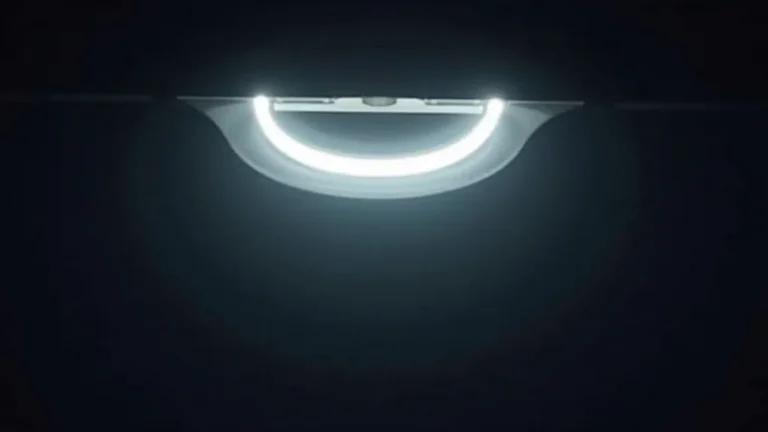
Best Headlight Color for Safe and Effective Night Driving
Choosing the best headlight color for night driving can be tricky for new drivers or anyone unsure about car lights. There’s a lot of information, and it can be hard to know what’s safe and effective. Don’t worry, though! We’ll explore the science behind headlights and explain the different colors. Next, we will break down what to look for and how these choices affect your nighttime vision, helping you make a smart decision about your car’s headlights.
Understanding Headlight Technology
Headlights are more than just glowing bulbs. They use a variety of technologies to create light that allows you to see the road ahead, and be seen by others. The type of technology impacts the color, brightness, and overall performance of the headlights. This, in turn, influences how well you can see and how other drivers perceive your vehicle. Knowing a little about headlight technologies can help you explore the impact on your visual experience.
Halogen Headlights: The Basics
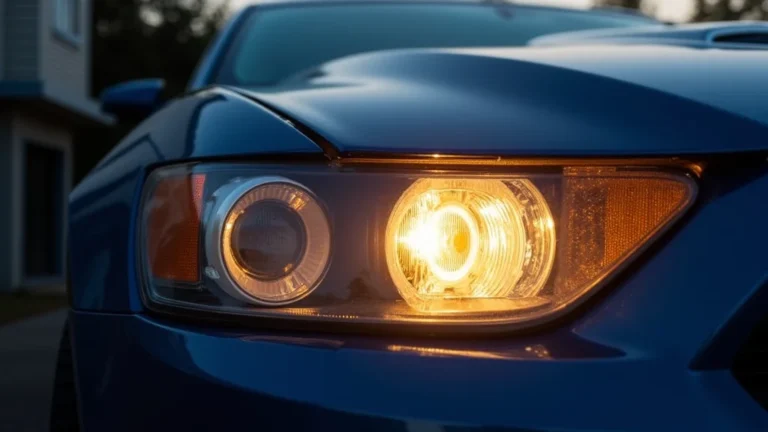
Halogen headlights are one of the most common types of headlights. They work by heating a tungsten filament inside a glass bulb. This filament produces light when electricity passes through it. Halogen lights are inexpensive to produce, making them a common choice in many cars. They usually produce a yellowish-white light. While effective, they can be less bright compared to newer headlight technologies.
- Cost-Effective Solution: Halogen headlights are generally more affordable to produce and purchase, making them a budget-friendly option for vehicle manufacturers and consumers. This is a primary factor in their widespread use in older and economy vehicles.
- Warm Color Temperature: They emit a warm, yellowish-white light (around 3000K), which is easy on the eyes. This color is often considered to perform well in various weather conditions, especially during rain or fog.
- Shorter Lifespan: Compared to other headlight types, halogen bulbs have a shorter lifespan. The filament eventually burns out. Regular replacement is necessary, adding to the ongoing costs of vehicle maintenance.
- Lower Brightness: The brightness of halogen lights is generally lower than other types, such as LED or HID. This may affect visibility in dark conditions or when driving on poorly lit roads. This means you might not see as far or as clearly.
High-Intensity Discharge (HID) Headlights
High-Intensity Discharge (HID) headlights, also known as xenon headlights, use an electric arc between two electrodes in a bulb filled with xenon gas. When the gas is ignited, it creates a bright, intense light. They are brighter than halogen lights and often produce a bluish-white light. HID lights offer increased visibility, which is especially useful when driving at night. Due to their technology, they take a few seconds to reach maximum brightness.
- Increased Brightness: HID headlights provide significantly more light output compared to halogen. This increased brightness improves visibility at night and in adverse weather conditions. The brighter light allows drivers to see further down the road and react more quickly to hazards.
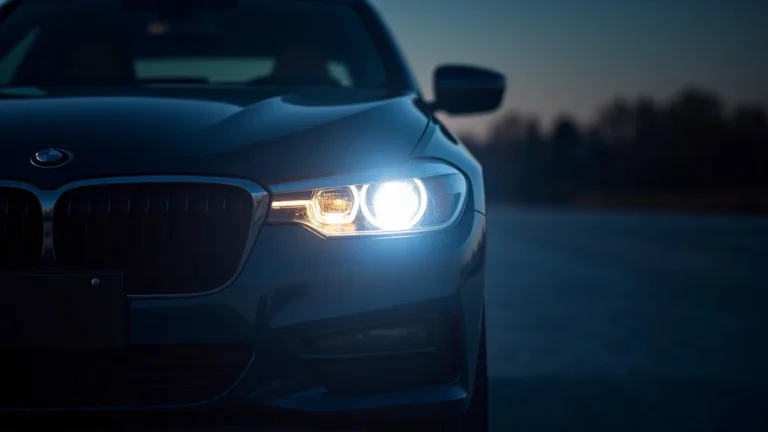
- Bluish-White Color: They produce a color temperature that is often described as bluish-white. This color can be attractive and provides a modern appearance for vehicles. It can also be more effective at cutting through darkness and other visual obstacles.
- Longer Lifespan: HID bulbs have a longer lifespan than halogen. They can last for several years with regular use, decreasing the frequency of replacement and related expenses. This offers a level of convenience.
- Higher Cost: HID systems are more expensive than halogen, both in terms of the initial purchase and
Light-Emitting Diode (LED) Headlights
LED headlights use light-emitting diodes to produce light. These diodes are semiconductor devices that emit light when an electric current passes through them. LED headlights offer several advantages, including energy efficiency and a long lifespan. They can produce a range of color temperatures, from warm white to cool blue. LEDs turn on instantly and can be designed in various shapes and sizes. This versatility has led to their widespread use in modern vehicles.
- Energy Efficiency: LED headlights consume less energy than both halogen and HID systems. This can contribute to better fuel efficiency. They are more environmentally friendly because they use less power.
- Long Lifespan: LED bulbs have a very long lifespan. They can last for tens of thousands of hours of use, reducing the need for frequent replacement. This can reduce maintenance costs.
- Instant Illumination: LED lights turn on instantly. This is a significant safety benefit compared to HID lights. They do not need a warm-up period to reach maximum brightness.
- Versatile Design: LEDs can be designed in various shapes and sizes. This gives car designers more creative freedom. This flexibility also allows for different lighting arrangements.
The Science of Headlight Color and Vision
The color of light emitted by headlights significantly impacts how we see, and how our eyes perceive the road. Different colors of light have different wavelengths, and our eyes process these wavelengths in different ways. Understanding the science behind headlight colors allows you to make informed decisions to find the best headlight color for night driving. The light’s color affects not only our ability to see but also the way our eyes react to darkness and glare.
Color Temperature Explained
Color temperature is measured in Kelvin (K). It describes the appearance of the light emitted by a light source. The color temperature of headlights can vary. It affects the color of light and how it appears to our eyes. Lower color temperatures (around 3000K) appear yellowish-white, while higher temperatures (around 6000K and above) appear bluish-white or even blue. It’s important to understand how these temperatures influence visibility.
- Warm Colors (Below 4000K): These produce a yellowish-white light. They are often considered effective in adverse weather conditions like rain or fog because the yellow light can cut through these conditions better. Yellow light is also known to cause less glare.
- Neutral Colors (4000K-5000K): These produce a bright white light. They are considered a good balance. These provide excellent visibility without causing excessive glare. This is often the color of choice for many modern headlights.
- Cool Colors (Above 5000K): These produce a bluish-white light. While visually appealing, they may not perform well in certain conditions. Blue light can cause more glare. Some research suggests that cool colors might reduce visibility in fog or rain.
The Impact of Glare
Glare from headlights is a common problem on the road. It occurs when bright light enters the eye and scatters, reducing visibility. This is especially true at night. The color of the headlight can affect the amount of glare produced. Some colors, particularly blue-tinted lights, tend to cause more glare. This can be dangerous as it temporarily impairs a driver’s vision. Choosing the right headlight color can help reduce glare and improve safety.
- Glare and Color Temperature: Generally, headlights with higher color temperatures (bluish-white light) are more likely to cause glare compared to those with lower color temperatures (yellowish-white light).
- Impact on Night Vision: Glare can cause temporary blindness, making it difficult to see other vehicles, pedestrians, or road hazards. It can also cause eye fatigue.
- Legal Considerations: Regulations about headlight colors are in place to limit glare and maintain road safety. These laws restrict the use of overly bright or colored headlights to prevent them from interfering with the vision of other drivers.
- Reducing Glare: Aim for headlights that emit a color temperature that balances brightness and reduced glare. This is usually around 4000K to 5000K. This will provide good visibility. It will also reduce the chances of blinding other drivers.
Choosing the Best Headlight Color for Night Driving
Selecting the best headlight color for night driving depends on several factors, including weather conditions, personal preferences, and the specific needs of the driver. There is no one-size-fits-all answer. It is about understanding the different options. It is about balancing factors to find the color that suits your driving style and the environments in which you drive. Safety is the most important factor.
Recommended Color Temperatures
For the best headlight color for night driving, consider a color temperature between 4000K and 5000K. This range balances brightness and visibility. It offers good performance without causing excessive glare. While personal preferences vary, these values typically provide the best overall performance in various driving conditions. It strikes a good balance for most drivers.
- 4000K to 5000K: This range provides a bright white light. This enhances visibility without producing excessive glare. It performs well in various conditions. This is often seen as the optimal choice for overall driving.
- 3000K to 4000K: This range emits a yellowish-white light. It is often preferred for areas with frequent fog or rain. This color can cut through these conditions, providing better visibility. This color might be the best headlight color for night driving in foggy environments.
- Above 5000K: Headlights with a higher color temperature have a blue tint. They may look stylish. However, they can produce more glare and might not perform as well in bad weather.
Considering Weather Conditions
Weather conditions significantly impact headlight effectiveness. During rain, snow, or fog, certain colors of light perform better than others. Understanding these differences can help you make a safe choice. The right headlight color can make a real difference.
- Foggy Conditions: Yellowish-white headlights (around 3000K to 4000K) often perform well in fog. This is because their lower color temperature can penetrate through the fog. This increases visibility by reducing light scatter.
- Rainy Conditions: Similar to fog, yellowish-white light can work well in rain. However, bright white light (4000K to 5000K) usually performs adequately, as well. It provides clear visibility.
- Snowy Conditions: White light (4000K to 5000K) often works best in snowy conditions. It provides the best contrast with the snow. This helps improve visibility.
- Clear Conditions: Bright white light (4000K to 5000K) provides great performance in clear conditions. These headlights help drivers see road hazards and other drivers, improving safety.
Other Important Factors
In addition to color temperature and weather, other factors influence the choice of headlight color. Vehicle regulations, the age of your vehicle, and your driving environment all have an impact. Consider all of these elements to ensure that your choice is safe and practical.
- Vehicle Regulations: Check local regulations regarding headlight colors. Some areas might have restrictions on color temperatures or the types of headlights allowed. Ensure your headlights comply with these rules.
- Vehicle Age: The age of your vehicle can influence your headlight options. Older vehicles may not be equipped with the latest headlight technologies. Consider upgrading your headlights if you have an older car.
- Driving Environment: Think about your common driving environments. Are you primarily driving in cities or rural areas? This will impact the best color choice. Rural areas may benefit from brighter lights.
- Personal Preference: While objective factors like visibility are important, personal preference plays a role. Choose a light color that you find visually comfortable.
Frequently Asked Questions
Question: What is the color temperature of headlights measured in?
Answer: Headlight color temperature is measured in Kelvin (K).
Question: What color headlight is best for fog?
Answer: Yellowish-white light (around 3000K to 4000K) often works best in fog.
Question: Are blue headlights legal?
Answer: The legality of blue headlights varies. They might be legal if they meet certain brightness levels and regulations, but generally, headlights with a color temperature over 6000K, which appear blue, can cause excessive glare and might not be allowed in all areas.
Question: What is the difference between HID and LED headlights?
Answer: HID headlights use an electric arc to create light, while LED headlights use light-emitting diodes. LEDs are typically more energy-efficient and last longer.
Question: Can I change the color of my headlights?
Answer: Yes, you can change the color of your headlights. This often involves replacing the bulbs with different color temperatures. However, it is essential to ensure that the new color complies with local regulations.
Final Thoughts
Selecting the best headlight color for night driving involves understanding headlight technologies, color temperatures, and how different colors impact visibility. Bright white headlights, around 4000K to 5000K, often offer the best balance of brightness and reduced glare. In foggy conditions, a yellowish-white light might be the right choice. Consider your driving conditions, your local regulations, and your own comfort when making a decision. Remember, the goal is to enhance your visibility and safety while driving at night. By considering all factors, you can make an informed decision and enhance your ability to drive safely.