How to Turn Off Daytime Running Headlights Step by Step
Figuring out how to turn off daytime running headlights can be a common puzzle for many drivers. It’s often a question that pops up when you’re first getting familiar with your car, or maybe you’re troubleshooting a specific situation. Don’t worry, it’s simpler than you might think! This guide will provide a clear, easy-to-follow method. Let’s get started and help you master this basic car function quickly and easily.
What Are Daytime Running Headlights?
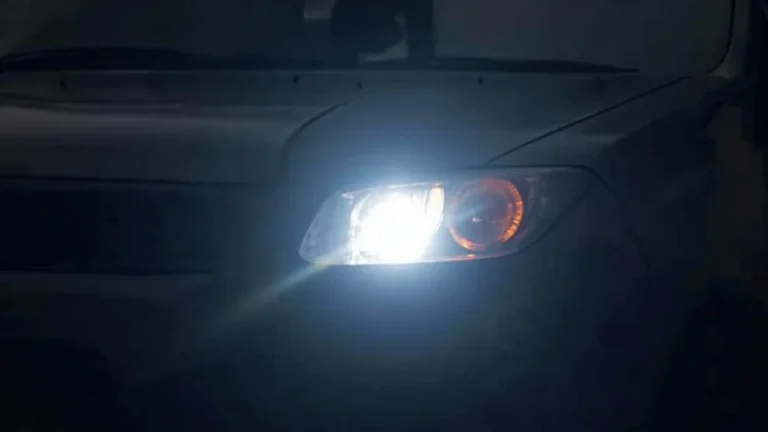
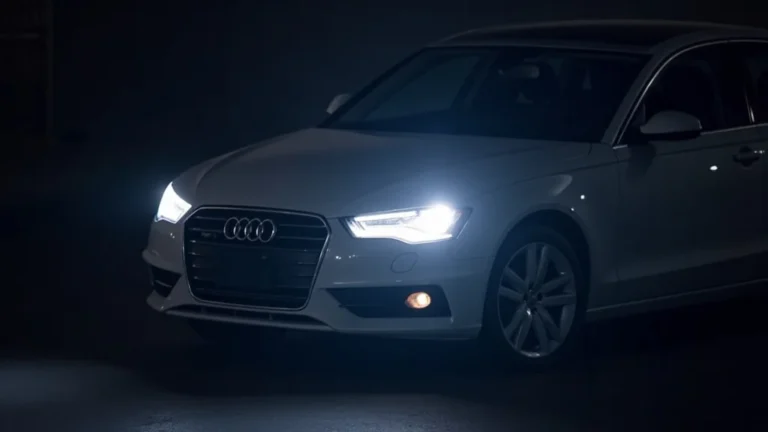
Daytime running headlights (DRLs) are a safety feature designed to make your vehicle more visible to other drivers, especially during the day. They automatically turn on when your car is running. They typically operate at a lower intensity than your regular headlights. This feature is intended to increase road safety by helping other drivers see your vehicle more easily, reducing the risk of collisions. DRLs have become increasingly common, and most modern vehicles are equipped with them.
The main purpose of DRLs is visibility. By automatically illuminating your front lights during daylight hours, they help your car stand out against the background. They make it easier for other drivers to spot you, whether it’s in bright sunshine or during less-than-ideal weather conditions like light rain or fog. The use of DRLs can be a preventative measure in a wide range of situations. They are especially helpful in low-contrast environments. For example, during sunrise or sunset, DRLs can help other drivers quickly perceive the presence of your vehicle.
How DRLs Work
Daytime running headlights aren’t just regular headlights on all the time. They work a bit differently. They often run at a reduced brightness compared to when you turn on your headlights at night. This difference helps to preserve the lifespan of the bulbs. They are usually activated automatically. Sensors in your car recognize when the engine is running and the ambient light conditions. This triggers the DRLs to come on.
- Automatic Activation: DRLs are programmed to switch on when the engine starts. This immediate activation ensures visibility from the moment you begin driving.
- Reduced Brightness: DRLs use a lower light intensity than regular headlights. This feature helps prevent driver fatigue in bright conditions and saves energy.
- Integration with Other Systems: The DRL system often works with the car’s lighting control unit (LCU). This helps manage the function of different lights, including headlights, taillights, and turn signals.
- Energy Efficiency: DRLs are designed to be energy-efficient. They consume less power than standard headlights, making them an effective way to improve road safety without significantly affecting fuel consumption.
Benefits of Daytime Running Lights
DRLs offer significant safety advantages, supported by numerous studies. They play a role in reducing accidents. The main benefit is enhanced visibility. This can be especially helpful in challenging conditions. DRLs help other drivers quickly recognize the presence of your vehicle, reducing the likelihood of a collision. Numerous studies show a measurable decrease in accidents.
For instance, according to a report by the Insurance Institute for Highway Safety (IIHS), the use of DRLs can reduce daytime multi-vehicle crashes by up to 5%. This improvement can be attributed to the enhanced visibility that DRLs provide. This is especially true on less busy roads. Moreover, DRLs are also cost-effective. They add a safety boost without major expenses. Drivers can increase their safety without any extra effort.
Why Might You Want to Disable DRLs?
While DRLs boost safety, there are instances where you might want to switch them off. Many people want to disable DRLs for maintenance reasons. Others want to control when their lights are on. Learning how to turn off daytime running headlights can be helpful in some situations. Some car owners switch them off for special purposes. For instance, the lights can be disabled when driving through a car wash. Knowing how to adjust your vehicle’s features offers flexibility.
Furthermore, in certain circumstances, such as when driving on private property or in off-road situations where full visibility isn’t always needed, having DRLs on could, in rare cases, be undesirable. While rare, these situations exist. The ability to temporarily disable DRLs allows drivers more control. This is convenient for car shows or special events. It allows you to customize the car’s appearance. In some cases, the lights can also have an effect on your car’s battery and overall electrical system.
Scenarios for Disabling DRLs
- Car Wash: When going through a car wash, you might want to turn off the DRLs. This can prevent damage to the bulbs.
- Car Shows: If you’re displaying your car at an event, disabling DRLs can give you more control. This allows you to customize the car’s appearance.
Legal Considerations
Before turning off your DRLs, it’s a good idea to know the local laws. Some countries have made DRLs mandatory. If this is the case, disabling them could violate the law. You can usually find the information on government websites or local vehicle regulations. Always know the legal requirements in your area to stay safe and compliant.
Steps on How to Turn Off Daytime Running Headlights
There are different methods to disable DRLs, depending on your vehicle’s make and model. Some are very simple, and others may require a bit more effort. No matter the method, you can generally turn them off by working with the car’s systems. These systems provide options that can be found in the car’s operating systems or the car’s physical setup. Before you start, be sure to consult your car’s manual.
Before starting, make sure your car is turned off and the key is out of the ignition. This step ensures safety. It also helps prevent any electrical issues. Then, locate the fuse box. This box houses all the fuses controlling different electrical systems. You will want to identify the fuse related to DRLs. The location of the fuse box can vary. It is often found under the hood or inside the car, typically near the driver’s side dashboard.
Method 1: Using the Fuse Box
One of the easiest ways is to remove the fuse that controls the DRLs. This method is straightforward. It’s effective for most cars, although it requires a bit of research. Removing the fuse completely cuts the power supply to the DRLs, effectively turning them off. It’s usually a simple process. First, you must find the fuse box in your car. Then, you can identify the correct fuse.
- Locate the Fuse Box: The fuse box can be under the hood or inside the cabin. Check your car’s manual to find its location.
- Identify the DRL Fuse: Look for a diagram inside the fuse box cover. The diagram should label which fuse controls the DRLs. It may be labeled “DRL”, “Daytime Running Lights”, or something similar.
- Remove the Fuse: Use a fuse puller (usually included in the fuse box) or small pliers to carefully pull out the fuse.
- Test the Lights: Start your car to confirm the DRLs are off. Ensure that your headlights still work as expected when you turn them on.
- Keep the Fuse Safe: Store the fuse in a safe place. You might want to put it back later.
Method 2: Using the Headlight Switch
Some vehicles allow you to disable DRLs through the headlight switch. This often involves specific positioning or actions of the switch. This method is often described in your car’s owner’s manual. The manual should describe what actions you need to take to switch off the DRLs. This method provides an easy option.
- Check the Manual: Consult your car’s manual for instructions. Search for sections on the headlight system.
- Headlight Switch Positions: Look for different switch settings. Some cars have specific positions for turning off DRLs.
- Switch Combinations: Some cars require specific combinations of headlight switch positions. These are set with the ignition.
- Test the Lights: After adjusting the switch, start your car. Check to see if the DRLs are turned off. Make sure your headlights function properly.
Method 3: Reprogramming the Car’s Computer
More modern cars may require you to reprogram the car’s computer to turn off DRLs. This method typically involves accessing the vehicle’s computer system. The system can be accessed with diagnostic tools. This should be done carefully to prevent any unexpected issues. Make sure you fully know the details. Check with an expert before attempting this yourself.
- OBD-II Port: Locate the OBD-II port. This is a standard connector for diagnostics. It’s typically located under the dashboard near the steering wheel.
- Diagnostic Tool: You will need a compatible diagnostic tool or a scan tool. The tool can be a handheld device or software installed on a laptop.
- Software or App: Install the correct software or app to connect to the car’s computer. Ensure the software is compatible with your car’s make and model.
- Access the DRL Settings: Navigate through the software menu to find the lighting settings. Look for an option to disable or adjust the DRL function.
- Disable DRLs: Select the option to disable DRLs. Follow the instructions on the screen to save the changes.
Method 4: Professional Assistance
If you’re not comfortable trying the above methods, or if your car’s system is complex, seek professional assistance. A mechanic or an automotive technician can help. They have the knowledge to complete the process. They can properly diagnose and disable the DRLs safely without causing any electrical problems. Professionals have specialized tools and experience. This expertise ensures that the process is done correctly. It also avoids potential damage to your car’s electrical systems.
Professionals know the various steps of how to turn off daytime running headlights. They have experience working with many car models and systems. They can identify the right methods for your vehicle. They can also tell you if the options are legal or not. Getting professional help is a good idea. This is especially true if you are new to this process or want to ensure that it is handled properly.
Troubleshooting Common Issues
When trying to turn off your DRLs, you might run into some problems. Here are some of the frequent issues and how to manage them. Keep in mind that when you are working on car systems, you should always consult your car’s manual first. Always be safe. Always ensure that you are fully aware of what you are doing before you proceed.
- Lights Still On: If the DRLs remain on after trying a method, check to see if you have followed all instructions correctly. Double-check all steps to ensure that everything is accurate.
- Fuse Problems: Make sure the fuse you removed is the correct one.
- Computer Errors: If you are using diagnostic tools, make sure all connections are secure. If there are persistent errors, visit a qualified mechanic.
What to Do If DRLs Won’t Turn Off
Sometimes, despite your best efforts, DRLs might refuse to turn off. Here are some solutions to try. First, double-check all steps again. Make sure all steps have been done accurately. Second, consult your car’s manual. The manual offers specific instructions for your car model. Third, check the fuse box again. You might have missed a fuse, or have replaced the wrong one. You also could try resetting the system. After these checks, contact a mechanic. They can help diagnose any complex issues that you may have. The mechanic will also be able to fix any electrical issues.
Addressing Other Lighting Issues
After switching off your DRLs, ensure that all other lights are still functioning correctly. Check your headlights, taillights, and turn signals. They should all function as intended. If you notice any problems, check the corresponding fuses or consult a mechanic. This is important to ensure your car remains safe for driving. Also, check to see if your car needs any new bulbs or wiring.
Frequently Asked Questions
Question: Is it legal to disable DRLs?
Answer: It depends on your local laws. Some areas require DRLs, so check your local regulations before disabling them.
Question: Will turning off DRLs affect other lights?
Answer: No, turning off DRLs should not affect your headlights, taillights, or turn signals, as long as you use the correct method.
Question: Where can I find the fuse for DRLs?
Answer: The fuse for DRLs is usually in the fuse box, either under the hood or inside the car. Refer to your car’s manual.
Question: Can I damage my car by turning off DRLs?
Answer: If you follow the correct methods, you shouldn’t damage your car. However, incorrect methods could cause problems. Consult a professional if you’re not sure.
Question: Do all cars have a way to disable DRLs?
Answer: Not all cars have the ability to disable DRLs. It depends on the car’s make and model. Check your car’s manual.
Final Thoughts
You now have a better idea of how to turn off daytime running headlights. Whether you need to disable them for car maintenance, a car show, or personal reasons, you’re now more informed. Remember to review your car’s manual first. Carefully decide which method suits your vehicle. By knowing the various ways, you can adjust your car’s features to fit your needs. Knowing how to adjust your car’s features provides control. Now, explore your car’s systems with confidence. Drive safely, and take care of your vehicle!