Are Projector Headlights Better? A Detailed Comparison
Ever driven down a dark, winding road, squinting at the dim glow of your headlights? You’re not alone! Many drivers struggle with poor visibility at night. Choosing the right headlights can make a huge difference in safety and driving comfort. This blog post explores whether projector headlights are superior to other headlight types. You’ll gain a thorough comparison of different headlight systems, their pros and cons, how they work, and what factors to consider when choosing the best option for your vehicle, improving your driving confidence and helping you make an informed decision.
What Are Projector Headlights?
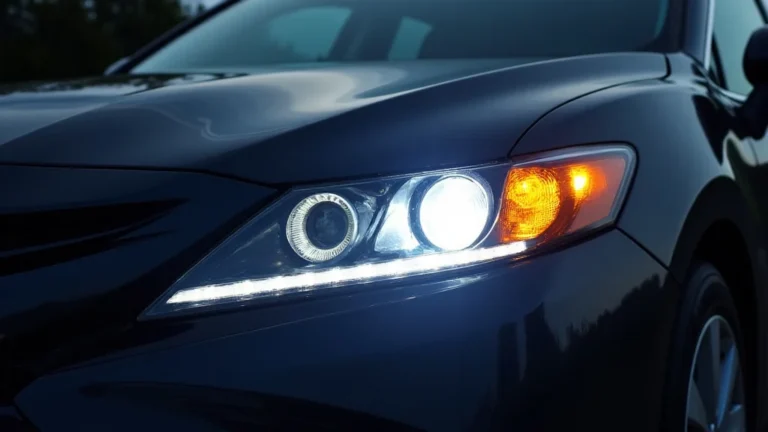
Projector headlights, also known as lens headlights, are a type of automotive lighting that uses a lens to focus the light emitted by the bulb. Unlike traditional reflector headlights, which use a mirrored surface to reflect light, projector headlights use a lens to concentrate the light into a focused beam. This focused beam is typically brighter and more directional, improving visibility for the driver while minimizing glare for oncoming traffic. They are often found in modern vehicles and offer a distinctive appearance compared to older headlight designs.
Projector headlights utilize a lens to focus and direct the light emitted from a bulb. This setup provides better control over the light beam, allowing for a more precise and focused illumination of the road ahead. The lens can also shape the light to create a sharper cutoff, reducing the amount of light that shines upwards and potentially blinds other drivers. This precise control is one of the key advantages of projector headlights, contributing to improved visibility and driving safety. This design leads to greater visibility and a more controlled light pattern. The system’s design improves safety by concentrating the light where it’s needed most: on the road.
How Projector Headlights Work
The core components of a projector headlight system include a light source (bulb), a reflector, a lens, and a cutoff shield. The light source, such as a halogen, xenon (HID), or LED bulb, emits light. The reflector is positioned behind the bulb to gather the light and direct it towards the lens. The lens then focuses and projects the light onto the road. The cutoff shield, a key element, is positioned between the light source and the lens to create a sharp horizontal cutoff, preventing the light from shining upwards and causing glare.
The process starts with the light generated by the bulb. This light then bounces off a reflector, which directs it towards a lens. The lens is the heart of the system, focusing the light into a concentrated beam. The lens design determines the light’s pattern. The cutoff shield ensures that the beam is aimed correctly, preventing light from shining above a certain height, which is important for avoiding glare. This entire arrangement is housed within the headlight assembly, which is designed to fit seamlessly into the vehicle’s body.
- Light Source: The light source, which can be a halogen, HID, or LED bulb, is the initial provider of illumination. The type of bulb significantly impacts the light output, color, and lifespan of the headlight system.
- Reflector: The reflector is a mirrored surface that gathers and redirects the light emitted by the bulb. Its shape and design influence how the light is distributed within the headlight assembly.
- Lens: The lens is a transparent component that focuses and projects the light onto the road. It determines the shape and intensity of the light beam.
- Cutoff Shield: The cutoff shield is a metal plate positioned between the bulb and the lens, designed to create a sharp horizontal line in the light beam, preventing glare for other drivers.
Different types of bulbs produce different qualities of light. Halogen bulbs are generally the most affordable but have a shorter lifespan and produce a yellowish light. HID bulbs offer greater brightness and a whiter light but require a ballast to operate. LEDs are the most efficient and long-lasting, providing bright, white light. The choice of the light source is key in determining the overall performance of the headlight.
The reflector’s purpose is to gather as much light as possible and focus it towards the lens. The design of the reflector plays a significant role in creating a uniform and focused light beam. The angle and curvature of the reflector are carefully calculated to ensure optimal light distribution. Well-designed reflectors can improve visibility by reducing dark spots and ensuring a wide field of illumination.
The lens design is a critical aspect of projector headlights. It can be made from various materials, with clear or textured surfaces. The lens design shapes the light beam, whether it is a concentrated spot for high beams or a wide, even distribution for low beams. The lens quality affects the overall light output and its ability to reduce glare.
The cutoff shield is designed to create a clear border between the illuminated area and the unlit area. This prevents the light from shining directly into the eyes of oncoming drivers, reducing glare and improving safety. The sharp cutoff ensures that the light is focused onto the road, maximizing visibility for the driver without negatively affecting other road users.
Projector Headlight Benefits
One of the primary benefits of projector headlights is their superior light control. They are designed to concentrate the light more effectively than reflector headlights. This means more of the light reaches the road surface, increasing visibility, especially at night or in adverse weather conditions. The focused beam pattern minimizes wasted light and reduces glare for other drivers. Modern projector systems often offer features like adaptive driving beam (ADB), which can automatically adjust the headlight beam to avoid blinding other road users.
Improved light control translates directly into improved driving safety. By concentrating the light, projector headlights make it easier to see objects and hazards further down the road, giving the driver more time to react. The reduced glare also helps other drivers, enhancing safety for everyone. The superior beam pattern ensures a wider and more uniform distribution of light, minimizing dark spots and improving the overall visibility experience. Many modern vehicles are equipped with projector headlights due to their enhanced safety features and performance.
- Increased Visibility: Projector headlights offer increased visibility due to their ability to concentrate light and project it further down the road. This is particularly advantageous at night or in challenging weather conditions such as rain, snow, or fog.
- Reduced Glare: The design of projector headlights helps minimize glare for oncoming drivers. This is achieved through the use of a cutoff shield that prevents light from shining upwards.
- Enhanced Beam Pattern: Projector headlights produce a more focused and controlled beam pattern than standard reflector headlights. This means that the light is directed where it is needed most, on the road surface, maximizing the illuminated area.
With a more focused and powerful light beam, projector headlights can illuminate a wider area of the road, giving drivers a clear view of potential hazards. This enhanced visibility translates to quicker reaction times and increased safety. Compared to other types of headlights, projector headlights provide a clearer field of view, helping drivers to identify obstacles and pedestrians ahead of time.
By preventing excessive light from scattering into the eyes of other drivers, projector headlights contribute to a safer driving environment. Glare can be a serious issue, reducing visibility and potentially causing accidents. Projector headlights offer a solution that benefits all drivers by reducing this risk. They offer increased comfort and safety for everyone on the road.
A well-defined beam pattern ensures optimal illumination of the road while minimizing light spillage. This also enhances the aesthetic appeal of the vehicle. By directing light effectively, projector headlights offer a safer and more visually pleasing driving experience. It’s an important feature for night-time driving, and it enhances both safety and style for vehicles.
Are Projector Headlights Better Than Reflector Headlights?
Reflector headlights use a mirrored surface to reflect and spread light. They have been a standard for many years. However, projector headlights generally offer superior performance. Projector headlights are designed to create a more focused beam. They provide better illumination of the road. While reflector headlights can be effective, they often produce more scattered light, resulting in reduced visibility and potential glare for other drivers. Projector headlights provide a clear advantage in terms of light control and overall safety.
When comparing projector and reflector headlights, several factors come into play. Projector headlights offer superior light control. They concentrate light more effectively, minimizing light scatter and glare. They offer better visibility, especially at night or in poor weather. Reflector headlights, while less expensive, often lack the precision and control of projector systems. Reflector headlights are still a viable option but generally do not provide the same level of performance and safety as projector headlights.
| Feature | Projector Headlights | Reflector Headlights |
|---|---|---|
| Light Focus | Highly focused, controlled beam | More scattered, less controlled beam |
| Glare | Reduced glare for oncoming drivers | More potential for glare |
| Visibility | Superior visibility, especially at night | Good visibility, but can be less effective |
| Technology | Often equipped with advanced features | Typically less advanced technology |
| Cost | Generally more expensive | Typically less expensive |
Projector Headlights vs. Reflector Headlights: A Detailed Comparison
A thorough examination is vital for making an informed decision about headlight systems. Projector headlights offer a more focused beam, directing the light more precisely onto the road and minimizing light that is scattered or directed upwards. Reflector headlights, on the other hand, use a mirrored surface to bounce the light outwards. They can be less precise and cause increased glare. The performance is especially noticeable during night driving, adverse weather conditions, and high-traffic situations. Projector headlights often incorporate advanced features like adaptive driving beams (ADB) and LED technology, adding to their effectiveness and safety.
The primary difference between projector and reflector headlights lies in how they manage and distribute light. The focus of the light beam is a critical factor. The beam pattern influences visibility. The potential for glare impacts safety. Consider the light output, the beam pattern, and the risk of blinding other drivers when choosing between headlight systems. The comparison shows the benefits of projector headlights in numerous situations.
- Beam Focus and Control: Projector headlights excel in beam focus and light control. They create a sharper, more defined beam pattern than reflector headlights.
- Glare Reduction: Projector headlights are designed to minimize glare for oncoming drivers through the use of a cutoff shield. This shield cuts off the light above a certain height, preventing it from shining directly into the eyes of other drivers.
- Visibility Range: Projector headlights often provide superior visibility range compared to reflector headlights. The focused beam allows for better illumination of the road ahead, providing drivers with more time to react to hazards.
The design of the lens and cutoff shield allows for a much more precise distribution of light. This means the light is focused where it’s needed most, illuminating the road and reducing light scatter. The control leads to improved visibility and helps minimize the potential for glare.
Reflector headlights are more prone to causing glare. The design of projector headlights, combined with their sharp cutoff, improves road safety for all. This design contributes to a safer and more comfortable driving experience.
The intensity and precision of the light beam in projector headlights allow drivers to see further. This can be especially important on dark roads or in inclement weather conditions. The added range enhances safety and improves the overall driving experience.
Pros and Cons of Projector Headlights
Projector headlights offer several advantages but also have some potential drawbacks. The superior light control and improved visibility are key benefits, enhancing safety and reducing glare. However, they may be more expensive than traditional reflector headlights. The overall cost includes the initial price of the headlight assembly and the cost of replacing the bulbs. Understanding these pros and cons is important to determine if projector headlights meet your driving needs and budget requirements. The choice also impacts the vehicle’s appearance and performance.
Considering the positive and negative aspects ensures you make an informed decision. Projector headlights have several advantages but also some potential drawbacks. While the superior light control and improved visibility are key benefits, they may be more expensive. It’s vital to assess the pros and cons in light of your specific driving circumstances and budget. Considering both the advantages and disadvantages allows for a well-informed decision that supports the best possible driving experience.
- Pros:
- Superior Light Output and Focus: Projector headlights offer enhanced visibility through their focused beam, providing clearer illumination.
- Reduced Glare for Oncoming Traffic: The cutoff shield in projector headlights helps reduce glare, enhancing safety for everyone on the road.
- Aesthetic Appeal: Projector headlights often provide a modern, stylish look to a vehicle.
The design of projector headlights allows for a much more concentrated and directed light beam. The sharp focus enhances the driver’s ability to see and react to hazards. The improved illumination benefits the overall driving experience.
The design of projector headlights, using a cutoff shield, directs the light downward. This prevents light from shining into the eyes of oncoming drivers, minimizing the risk of accidents. This is an important safety feature for both the driver and others on the road.
Projector headlights are often incorporated into vehicles for their stylish and contemporary appearance. The design offers an attractive look and adds to a vehicle’s overall design. They enhance the appearance and style of your vehicle.
- Cons:
- Higher Initial Cost: Projector headlights can be more expensive than traditional reflector headlights.
- Potential for Replacement Cost: Replacing the entire headlight assembly or the bulbs can be costlier compared to reflector systems.
- Complexity of Installation: Installing projector headlights or replacing bulbs can sometimes be more complex.
The design and technology that are found in projector headlights often lead to higher manufacturing costs. This can result in a higher purchase price for both the headlights themselves and the replacement bulbs. It is important to consider the budget when deciding on projector headlights.
Projector headlights can sometimes require specialized bulbs, and when a bulb burns out, it may be more expensive to replace. The complete headlight assembly often costs more. This is an important factor to consider when evaluating long-term costs.
Because of the integrated nature of projector headlight systems, installation may require more effort and expertise. Some installations may need professional help, adding to the overall cost and effort of upgrading or maintaining these headlights. Consider your ability to perform the installation or the cost of professional installation.
Factors to Consider When Choosing Headlights
When selecting headlights, several factors should be considered to ensure you make the right choice for your vehicle and driving needs. Understanding the differences between headlight systems and their impact on visibility, safety, and the driving experience is key to making the best choice. Think about the types of roads you typically drive on, the driving conditions you commonly encounter, and your budget when choosing headlights. The right headlights should provide superior illumination, reduce glare, and complement your vehicle’s overall design.
Choosing the right headlights is important for both safety and driving comfort. Evaluate your driving habits, road conditions, and lighting requirements. Considering these factors is key to choosing headlights that perform well. From the type of bulb to the quality of the beam pattern, each aspect plays a vital role. Choosing the right headlights guarantees safe and pleasant driving.
- Light Output and Brightness: The light output of the headlights is a primary factor. Consider how much light you need to safely see the road ahead, as this directly affects visibility.
- Beam Pattern and Focus: The beam pattern refers to the shape and direction of the light projected by the headlights. The focus of the beam should be considered for optimal visibility.
- Glare and Safety: Headlight glare is a serious safety concern that can reduce visibility for other drivers and increase the risk of accidents. Safety should be a top priority.
- Durability and Lifespan: Consider the durability and lifespan of the headlights, which impact their performance. The lifespan relates to how long they function before needing replacement.
- Vehicle Compatibility and Installation: Make sure the headlights are compatible with your vehicle’s make and model. Proper installation is critical for correct function.
The brightness of the headlights determines how far and how wide you can see at night. Measured in lumens, light output varies significantly between different headlight types. For example, the latest LED headlights can produce more than twice the light of older halogen systems. This increased brightness can significantly improve your ability to see hazards on the road. Higher light output typically results in better visibility.
Different headlight systems produce varying beam patterns, impacting how light is distributed on the road. Projector headlights offer a focused beam, concentrating the light where it’s needed. Reflector headlights have a wider pattern. A well-designed beam pattern reduces dark spots and improves your ability to see the road ahead. Proper beam focus enhances the effectiveness of the headlights.
Glare occurs when light is directed upwards or scatters excessively. Many modern headlight systems, particularly projector headlights, are designed to reduce glare by incorporating a sharp cutoff. This sharp cutoff prevents light from shining directly into the eyes of oncoming drivers. Selecting headlights that minimize glare ensures the safety of yourself and other drivers.
Headlights are subject to wear and tear from weather, road conditions, and general use. Choose headlights made from high-quality materials, as they are less likely to crack or fade. LED headlights often have longer lifespans compared to halogen or HID bulbs, decreasing the need for frequent replacements. Durability and lifespan are crucial for long-term reliability.
Different vehicles require different headlight designs and mounting systems. Ensure the new headlights fit your vehicle. Professional installation may be necessary if you are not familiar with automotive electrical systems. Proper installation ensures that the headlights function correctly and safely, providing the intended light output and beam pattern.
Frequently Asked Questions
Question: Are projector headlights better than LED headlights?
Answer: Projector headlights can use LED bulbs, offering superior light output and efficiency. LED headlights are often brighter and last longer compared to halogen or HID options, and a projector headlight system can optimize their performance.
Question: Do projector headlights require specific bulbs?
Answer: Yes, projector headlights are often designed to use specific types of bulbs, such as halogen, HID (Xenon), or LED. The bulb type influences the light output, color, and lifespan of the headlights.
Question: Can I install projector headlights myself?
Answer: Installing projector headlights can be a straightforward process, but it depends on your vehicle and the type of headlights you choose. Some installations may be more complex and require professional help. Always consult your vehicle’s manual and follow the manufacturer’s instructions.
Question: Are projector headlights street legal?
Answer: Yes, projector headlights are street legal, provided they meet the regulations and standards set by the governing authorities. Make sure that the headlights are properly aimed and do not cause glare for other drivers.
Question: How do I maintain my projector headlights?
Answer: Maintaining projector headlights includes regular cleaning of the lens to keep them free from dirt and debris. Inspect the bulbs periodically and replace them when necessary. Ensure the headlights are properly aligned to maintain optimal performance.
Final Thoughts
Choosing the right headlights is essential for safe driving and a better driving experience. After exploring the differences, it’s clear that projector headlights offer significant advantages over traditional reflector systems. Their superior light control, reduced glare, and enhanced beam patterns provide greater visibility, especially during night driving and adverse weather conditions. While they may have a higher initial cost, the benefits in terms of safety and performance often outweigh the added expense. Considering the factors discussed, such as light output, beam pattern, and vehicle compatibility, empowers you to select the best option for your car. By carefully evaluating your needs, you can greatly improve your driving experience and overall safety on the road. Investing in projector headlights is a step towards safer and more confident driving.