How to Disable Daytime Running Headlights Step-by-Step
Figuring out how to disable daytime running headlights can seem tricky, especially if you’re new to car maintenance. Don’t worry, many people find it a bit confusing at first. The good news is, it’s often simpler than you think. This guide will take you through the process, making it easy to understand and follow. Let’s get started, and you’ll soon be able to control your car’s lights with confidence.
What Are Daytime Running Headlights?
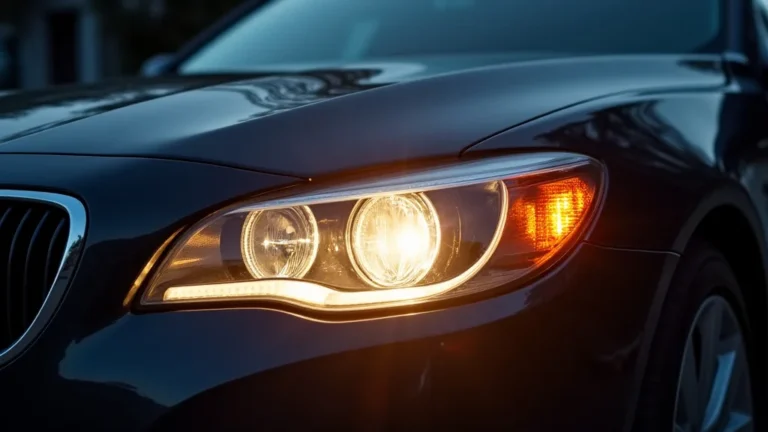
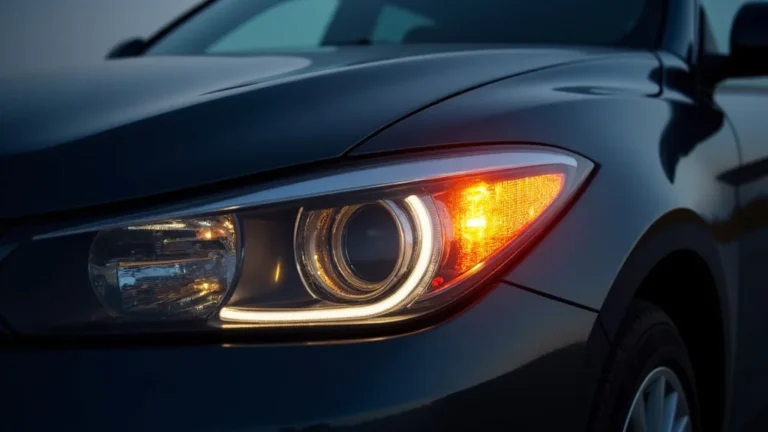
Daytime running headlights (DRLs) are lights that automatically turn on when your vehicle is running. Their main purpose is to increase your car’s visibility to other drivers, making it safer. They’ve become very common, and you see them on almost all newer cars. They usually aren’t as bright as your full headlights, and they’re designed to be on during the day. DRLs are often located in the front of the car, and some vehicles also have them in the rear.
The idea behind DRLs is simple: the more visible you are, the less likely you are to have an accident. They help other drivers see you, especially in situations like cloudy weather or when the sun is in their eyes. This system automatically activates when the car starts, without you having to touch a switch. However, there are times when you might want to disable them, like when you’re working on the electrical system of the car. Let’s explore more about what they are and how they work.
How DRLs Work
DRLs operate in various ways, but they all share the same goal: to make your car more noticeable. Many systems use the car’s existing headlights, but at a lower brightness. Other systems have dedicated lights, specifically designed for DRLs, usually using LED technology. These dedicated lights often have a unique look, differentiating your vehicle. They’re wired to the car’s electrical system, and a sensor detects when the car is running, triggering the lights to turn on automatically.
- Automatic Activation: The system detects when the car’s engine is running.
- Lower Brightness: DRLs typically shine at a reduced intensity compared to regular headlights.
- LED Technology: Many modern DRLs use LED lights for energy efficiency and a longer lifespan.
- Positioning: They are typically positioned in the front of the vehicle.
- Functionality: DRLs shut off when the headlights are manually turned on or when the ignition is switched off.
DRLs have seen many improvements, and they keep on being improved for greater safety. For example, some vehicles have adaptive DRLs that adjust their brightness based on the surrounding light conditions. This can make them brighter on overcast days or in areas with heavy shadows. These lights are a simple but effective way to improve road safety, and knowing how they work is a step in understanding car technology.
DRL Regulations Around the World
DRL regulations vary depending on where you are in the world. Many countries mandate the use of DRLs, while others only recommend them or have no specific laws. Countries that require DRLs often cite safety benefits, based on studies showing fewer accidents. The rules can be specific about the type of lights, their brightness, and their placement on the vehicle. This means that if you are from a country that requires them, disabling them might have legal implications.
Here are some of the regions with legal requirements for DRLs:
- Canada: Requires DRLs on all new vehicles.
- European Union: Mandatory for all new vehicle types since 2011.
- Norway: Mandatory for all vehicles.
- Sweden: Requires DRLs or low-beam headlights at all times.
- United States: Although there is no federal mandate, DRLs are permitted and widely used.
These regulations are a sign of the recognition of how helpful DRLs are. However, it’s essential to check the specific rules in your area and, if needed, consult local authorities. The variation of regulations also shows the differing safety priorities in different parts of the world.
Methods for Disabling Daytime Running Headlights
Now, let’s explore the different methods you can use how to disable daytime running headlights. Keep in mind that the best method varies depending on your car’s make, model, and year. Some methods are easier than others, and some might require a little more technical knowledge. Always consult your owner’s manual for specific instructions for your vehicle. We’ll explore some ways to stop the DRLs from turning on, in order of simplicity.
The methods vary and may depend on your car’s model year, so it is important to consult your owner’s manual or a trusted mechanic if you are unsure.
The Fuse Method
One of the easiest ways to disable DRLs is to remove the fuse that controls them. This is often a straightforward process, but you need to know which fuse to remove. Locate your car’s fuse box, which is usually located under the hood or inside the car, often near the steering wheel. Your owner’s manual will have a diagram that shows you where each fuse goes. Look for the fuse labeled “DRL” or something similar. Once you’ve identified the fuse, use the fuse puller (usually included in the fuse box cover) to remove it. Remember to store the fuse safely in case you want to restore the DRLs later.
- Locate the Fuse Box: Find the fuse box inside the car or under the hood.
- Consult Your Manual: Refer to the owner’s manual to identify the DRL fuse.
- Remove the Fuse: Use a fuse puller to carefully remove the fuse.
- Keep the Fuse: Store the fuse safely for future use if needed.
This method is simple and doesn’t require any tools other than what comes with your car. However, it’s important to be careful and make sure you’re removing the correct fuse, as removing the wrong one could affect other electrical components. This is a common solution and is a good starting point for learning how to disable your lights.
The Relay Method
Another method involves the relay that controls the DRLs. Relays are like electronic switches that control the flow of electricity to the lights. If you can locate the DRL relay, you can remove it or modify the wiring to disable the DRLs. This method is slightly more involved than the fuse method and usually requires some knowledge of car electrical systems. The relay box can also be located in the engine compartment or inside the cabin.
- Identify the Relay: Refer to your car’s manual or a wiring diagram to locate the DRL relay.
- Remove the Relay: Carefully remove the relay from its socket.
- Modify Wiring: In some cases, you might need to reroute or disconnect wires that are connected to the relay. This might require additional tools or mechanical skill.
- Professional Help: If you’re not comfortable with electrical work, it’s best to consult a professional mechanic.
Working with relays involves handling electrical components, so it’s very important to take precautions. Make sure the car’s ignition is off and the battery is disconnected before you begin. This helps prevent short circuits or other electrical problems. If you’re not sure, it’s best to ask a mechanic.
Using the Light Switch
Some vehicles let you disable DRLs using the light switch. This method is usually the simplest and doesn’t require any tools. You might have a setting on your light switch to turn off DRLs. Experiment with different light switch positions, like “Off” or “Auto,” to see if the DRLs turn off. Some cars need you to turn the switch off and then back on within a few seconds to disable them. This is a quick way to control your headlights without any technical work.
- Try the “Off” Position: Experiment with the light switch to find the “Off” position.
- Check the “Auto” Setting: Some cars allow you to turn DRLs off via the “Auto” setting.
- Consult the Manual: Check your owner’s manual for specific instructions on light switch operations.
- Cycle the Switch: Some vehicles require you to turn the switch off and back on quickly.
This is often the easiest method, but it depends on the vehicle’s design. If your car has this option, it’s very convenient. Always review your owner’s manual for instructions about your light switch options. This method allows you to turn the DRLs off when you want to, making it very helpful.
Safety Considerations
Before you begin, it’s important to understand the safety considerations. Disabling your DRLs might reduce your car’s visibility to other drivers, particularly during the day. This could potentially increase the risk of accidents. Think about the road conditions, the weather, and your driving habits. If you often drive in situations where visibility is poor, such as during rain or fog, you may want to leave the DRLs on for safety reasons. You must also consider the legal aspects, such as whether disabling DRLs is permitted in your area.
The choice to disable DRLs is a personal one, and you should consider all the safety implications before proceeding. Remember that your primary responsibility is to drive safely. Be sure that you’re well-informed, and make sure that you and everyone around you on the roads are safe.
Visibility and Accident Risks
One of the main safety aspects to consider is how your car’s visibility affects the risk of accidents. DRLs are designed to make your vehicle more noticeable to other drivers. Studies have shown that vehicles with DRLs are involved in fewer accidents during the day than those without them. Therefore, disabling DRLs could potentially increase the risk of collisions, especially in conditions where visibility is reduced. Take a minute to think about the conditions and how your driving habits fit with those conditions.
- Reduced Visibility: Disabling DRLs reduces your car’s visibility.
- Accident Risk: Studies suggest DRLs help reduce daytime accidents.
- Driver Awareness: Other drivers may be less aware of your vehicle.
- Weather Conditions: Reduced visibility is very important in rain or fog.
- Personal Safety: Evaluate your personal safety needs before disabling the DRLs.
The decision to disable your DRLs should be based on a balanced approach. While there may be reasons for wanting to disable them, it’s vital to assess the potential risks. Always drive with extra care if you choose to turn off your DRLs, and be ready to turn them back on in challenging conditions. The bottom line is to prioritize safety for yourself and other drivers.
Legal and Ethical Implications
Besides safety, there are also legal and ethical issues to think about. As mentioned, DRL regulations vary by location. In some regions, DRLs are required by law, and disabling them could result in fines or other penalties. Even if it’s not illegal, there’s the ethical question of whether it’s responsible to make your car less visible. Consider the perspective of other drivers on the road. The goal is a safer environment for everyone.
- Local Laws: Research the DRL regulations in your area.
- Penalties: Know the potential consequences of violating regulations.
- Ethical Responsibility: Consider your role in creating a safe road environment.
- Vehicle Safety: Make decisions that prioritize vehicle safety.
- Insurance: Check how this may impact your insurance policy.
It is important to stay informed about local laws. Be a responsible driver, and consider the impact of your actions on others. If you’re unsure about the legality of disabling DRLs in your area, consult your local motor vehicle authorities. Driving is a shared experience, and ethical driving means acting responsibly to ensure the safety of everyone around you.
Troubleshooting and Additional Tips
Sometimes, things don’t go exactly as planned. You might encounter issues when you’re trying to disable your DRLs. It’s a good idea to be prepared for this possibility. This section will provide some helpful troubleshooting tips and extra advice to make the process easier and more effective. From dealing with unresponsive systems to finding professional assistance, you’ll be ready for any issue that may come up. Always have the right information and approach each step with care.
Always review your owner’s manual before starting any work on your car. Consult your owner’s manual or, if needed, a professional.
Dealing with Unresponsive Systems
If you’re using the fuse or relay method, and the DRLs don’t turn off, double-check your work. Make sure you’ve identified the correct fuse or relay by consulting your owner’s manual or a wiring diagram. If you’ve removed the fuse or relay, and the lights are still on, there might be another circuit that’s connected to the DRLs. If using the light switch method, make sure you’re trying all the available positions and following any specific instructions outlined in your manual. Remember to check all of your steps and retrace any that you find might have been missed.
- Check the Fuse/Relay: Make sure the right component has been removed or modified.
- Owner’s Manual: Double-check the owner’s manual for specific instructions.
- Wiring Diagrams: Use wiring diagrams to ensure accurate connections.
- Multiple Circuits: Some vehicles have multiple circuits connected to the DRLs.
- Professional Help: Don’t hesitate to seek expert advice if necessary.
If you’re still facing problems, inspect your work. Sometimes, a loose connection or a damaged wire can cause issues. If you’re not comfortable with electrical work, it’s best to consult a professional mechanic. They can use specialized tools and their understanding of your car’s system to find out where the problem is. By staying systematic, you can successfully disable your DRLs.
Seeking Professional Assistance
When you’re not confident in your skills or if you’re experiencing persistent problems, don’t hesitate to ask a professional. A mechanic can properly and safely diagnose any issues and make sure the DRLs are disabled correctly. They have the knowledge, tools, and experience to handle the job. When it comes to the safety and functionality of your vehicle, it’s very important to ask for help.
- Expert Diagnosis: Professionals can quickly identify any issues.
- Correct Procedures: Mechanics use the right procedures to get the job done right.
- Safety Assurance: Professionals ensure the work is done safely.
- Specialized Tools: Mechanics have the specialized tools needed.
- Peace of Mind: A mechanic provides you with peace of mind.
Find a reputable mechanic that specializes in car electrical systems. They will likely be able to quickly find the root of the problem and offer the best solution. If you are not comfortable doing the work yourself, then this is the best step. Professionals can save you time, and the results will be a much safer experience. A professional can also make sure that your car complies with all local regulations. Your safety, and the safety of everyone else, is always the highest priority.
Frequently Asked Questions
Question: Is it legal to disable DRLs?
Answer: It depends on your local laws. Research the regulations in your area to find out if it’s permitted.
Question: Will disabling DRLs affect other lights?
Answer: It shouldn’t affect your regular headlights or other lights, but check the system to be certain.
Question: What if the fuse box diagram is wrong?
Answer: Always double-check your owner’s manual and cross-reference with other diagrams if necessary.
Question: Can I change my mind later?
Answer: Yes, you can usually restore the DRLs by re-installing the fuse or relay, or by changing the light switch settings.
Question: Where can I find more specific instructions for my car model?
Answer: Your owner’s manual is the best resource, or you can search online forums or consult a mechanic.
Final Thoughts
So, we’ve walked through the process of how to disable daytime running headlights. Remember, it’s often as simple as finding the right fuse, relay, or light switch setting. Each method offers a unique approach, allowing you to choose the best one for your vehicle. We explored how DRLs work and also discussed safety and legal considerations. You learned about the importance of checking your local regulations and keeping your driving environment safe. It’s a reminder to think about both your safety and that of other drivers on the road. Now, you have the knowledge to proceed safely. So, take the next step. Consult your owner’s manual, consider the methods, and start with the easiest option. You are now prepared to approach this task with confidence. Happy driving!