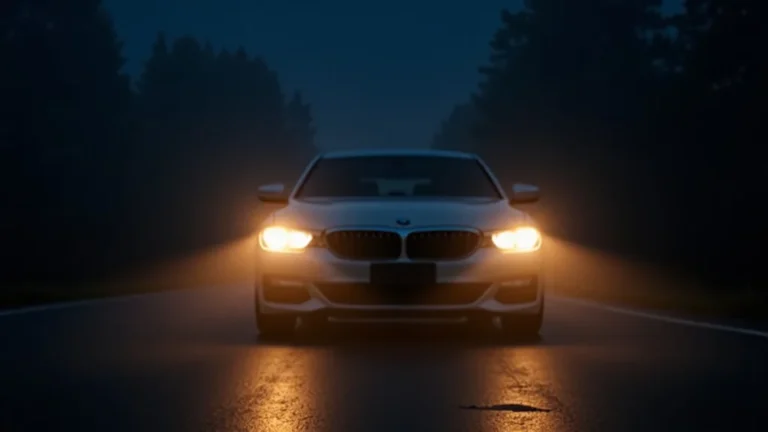
Pros and Cons of LED Headlights Explained Simply
Figuring out the pros and cons of led headlights can seem tricky at first. There’s a lot of tech talk that can be overwhelming! Don’t worry, though; it’s easier than you think. This post will break down everything in a clear, easy-to-follow way. We’ll look at the good and the not-so-good about these headlights, so you can decide if they’re right for your car. Get ready to explore everything you need to know about LED headlights.
Advantages of LED Headlights
LED headlights have become super popular for a good reason. They offer a bunch of benefits that old-school headlights just can’t match. We’re talking about brighter light, better efficiency, and a longer life span. These upgrades can make a big difference when you’re driving at night or in bad weather. Let’s explore these benefits and see what makes LED headlights so appealing.
Brighter Illumination for Better Visibility
One of the biggest advantages of LED headlights is how much brighter they are compared to traditional halogen bulbs. They produce a much more intense light, often measured in lumens, which helps drivers see further and more clearly. This is especially useful on dark roads or in challenging conditions like rain or fog. The brighter light helps with seeing obstacles more easily and increases reaction time, which can boost safety.
- Increased Visibility: LED headlights offer significantly improved visibility at night, allowing drivers to see further down the road and better perceive their surroundings. This increased visibility helps with spotting hazards, pedestrians, and animals more easily.
- Improved Safety: By providing better visibility, LED headlights can lead to improved safety. They help drivers see potential dangers sooner, giving them more time to react and avoid accidents. Better visibility is a key factor in reducing night-time accidents.
- Enhanced Aesthetics: The crisp, white light produced by LEDs gives vehicles a modern and stylish appearance. Many people upgrade their headlights for the improved look, which can also help the resale value of a vehicle.
- Faster Activation: LED headlights turn on almost instantly, unlike older bulbs that take a moment to warm up. This fast response time is especially useful in emergency situations where immediate illumination is necessary.
LEDs emit a focused beam of light, meaning the light reaches further without scattering as much, unlike older bulb types.
The bright light improves driver’s awareness and allows other drivers to see the vehicle more easily.
The color of the light gives cars a more modern and attractive look. The clean, white light often matches well with other modern design elements.
The instant-on feature means the lights are ready the moment the switch is flipped, providing immediate visibility.
Longer Lifespan and Durability
Another major advantage of LED headlights is their impressive lifespan and durability. Unlike halogen bulbs, which burn out relatively quickly, LEDs can last for many years. This means fewer replacements and less time spent on maintenance. This extended lifespan makes LEDs a cost-effective choice in the long run. Plus, the solid-state design of LEDs makes them more resistant to shocks and vibrations, increasing durability.
- Extended Lifespan: LED headlights typically last significantly longer than traditional halogen bulbs. They can last for tens of thousands of hours of use, reducing the need for frequent replacements. This long lifespan saves money and time.
- Reduced Maintenance: The long lifespan of LED headlights means less time spent changing bulbs. This is particularly helpful for car owners who don’t want to deal with constant maintenance. Fewer replacements also mean less waste.
- Durability: LEDs are more resistant to damage from shocks and vibrations compared to filament-based bulbs. This makes them more reliable, especially in vehicles that travel on rough roads or experience frequent bumps.
- Cost Savings: Although the initial cost of LED headlights may be higher, the long lifespan and reduced maintenance can lead to significant cost savings over time. You won’t need to buy replacement bulbs as often.
The longevity of LEDs reduces maintenance costs because replacements are less frequent.
The longer the headlight lasts, the less the car owner must worry about upkeep.
Their solid-state design means they are less sensitive to movement, and are able to operate under challenging conditions.
The cost savings over time, due to their lifespan, offsets the increased cost of purchase.
Energy Efficiency and Performance
LED headlights are remarkably energy-efficient, using less power than traditional bulbs. This efficiency is important for several reasons. First, it reduces the load on the car’s electrical system, and can contribute to better fuel economy. Furthermore, LED headlights generate less heat, which is another performance advantage. LED lights convert a higher percentage of energy into light, making them a more eco-friendly option.
- Energy Savings: LED headlights use significantly less energy than halogen bulbs, which helps improve fuel efficiency. The reduction in energy consumption is especially noticeable on electric vehicles.
- Reduced Heat Output: LED headlights produce less heat compared to halogen bulbs. This reduced heat output helps protect the headlight housing and surrounding components from damage. Lower heat also contributes to a longer lifespan.
- Improved Vehicle Performance: The lower energy consumption of LED headlights reduces the load on the vehicle’s electrical system. This can lead to better overall performance and efficiency.
- Eco-Friendly: LED headlights are a more environmentally friendly choice. Their energy efficiency contributes to reduced emissions, and they often contain fewer hazardous materials compared to other types of bulbs.
Less energy use is a key factor in improving fuel efficiency and extending the range of electric vehicles.
The cool operation of LEDs means they do not get as hot as traditional bulbs. This is a beneficial quality that adds longevity.
The improved efficiency translates to a reduced burden on the car’s systems.
The reduced energy consumption supports a greener way of driving.
Disadvantages of LED Headlights
While LED headlights offer many benefits, there are also some downsides to consider. The initial cost can be higher than that of traditional bulbs. Additionally, some LED headlights can be very bright, which could be a problem in certain situations. It’s important to understand these drawbacks before making a decision.
Upfront Costs and Installation
One of the first things people notice is the initial price. LED headlights usually cost more upfront than their halogen counterparts. The installation process may also be more complex, especially if the vehicle isn’t designed for LEDs. These factors can make the switch to LED headlights seem more expensive.
- Higher Initial Cost: LED headlights generally have a higher purchase price compared to halogen bulbs. This can be a barrier for some buyers, though the long-term benefits might offset this cost over time.
- Installation Challenges: Some vehicles require professional installation or modifications to install LED headlights. This can add to the overall cost and time required for the upgrade. It’s especially true for older cars not originally made for LED bulbs.
- Compatibility Issues: There might be compatibility problems with certain vehicles. For instance, some cars may require special adapters or resistors to prevent error messages or flickering.
- Potential for Glare: In some cases, poorly designed or improperly installed LED headlights can produce excessive glare. This can be dangerous for other drivers and may lead to complaints or citations.
The initial cost can discourage some car owners from the switch to LED headlights.
Installation complexity can become a barrier for some.
Compatibility questions may make things more complicated.
The potential for glare can create a hazard and a need to be extra cautious.
Brightness and Glare Issues
While the brightness of LED headlights is often an advantage, it can also cause problems. The intensity of the light can sometimes cause glare for other drivers, particularly if the headlights aren’t properly aimed. This is why it’s important to make sure the headlights are correctly installed and aligned. Improper installation can lead to a safety issue.
- Glare for Other Drivers: The intense brightness of LED headlights can cause glare, making it difficult for other drivers to see. This glare is especially problematic at night or in rainy conditions, which can lead to hazardous situations.
- Improper Aiming: Incorrectly aimed LED headlights can worsen glare. It is vital to ensure that the headlights are correctly aligned. This can be a factor for improperly installed headlights.
- Driver Discomfort: The intense light can also cause discomfort for the driver, particularly in foggy conditions or when driving on poorly lit roads. This can affect visibility.
- Legality Concerns: In some cases, after-market LED headlights might not meet local regulations. This can result in warnings or fines. It is important to check local laws before installing LED headlights.
Glare from LED headlights can be a safety issue for oncoming drivers.
Proper aiming is essential to minimize glare.
Excessive brightness is sometimes a distraction for drivers.
Make sure they conform to local laws and regulations.
Heat Management and Longevity
Although LED headlights produce less heat than halogen bulbs, they still need proper heat management. Excessive heat can reduce their lifespan and cause them to fail prematurely. Some designs may require extra components like heat sinks or fans to dissipate heat. These components add to the cost and complexity of the system.
- Heat Dissipation Needs: LED headlights generate heat, and effective heat dissipation is necessary to maintain their lifespan and performance. The headlights can be damaged if they get too hot.
- Component Failure: Overheating can cause components to fail prematurely, shortening the lifespan of the LED headlights. Problems with heat management can be a leading cause of failure.
- Design Challenges: The design of LED headlight systems must consider heat management. This means adding heat sinks, fans, and other components, which can increase the cost and complexity.
- Longevity Variability: While LEDs typically have a long lifespan, the actual lifespan can vary based on the quality of the components and the effectiveness of the heat management system. Poor heat management can shorten the lifespan.
Heat management systems are important to help dissipate heat.
Overheating can lead to component failure and reduce the lifespan.
Design considerations must include effective heat management strategies.
Lifespan depends on design quality and heat management.
Comparing LED Headlights to Halogen and HID
When thinking about LED headlights, it’s helpful to see how they stack up against other types of headlights, like halogen and HID. Each type has its pros and cons, which can help you make a good choice. Considering these comparisons can help determine what’s right for your needs.
| Feature | LED Headlights | Halogen Headlights | HID (Xenon) Headlights |
|---|---|---|---|
| Brightness | Very Bright | Less Bright | Bright |
| Lifespan | Long | Short | Medium |
| Energy Efficiency | High | Low | Medium |
| Cost | Higher Initial Cost | Low Cost | Moderate Cost |
| Installation | Can be Complex | Simple | Moderate |
| Glare Potential | Can be High if poorly designed | Low | Moderate |
LED vs. Halogen Headlights
Halogen headlights are the old standard, and they’re still found in many vehicles. However, LED headlights offer many advantages over halogen. Halogen lights are cheaper to buy, but their shorter lifespan and lower efficiency mean they may cost more over time. In contrast, LED lights use less power and offer better visibility, especially at night. As the prices of LEDs drop, they are becoming even more attractive.
- Brightness Comparison: LED headlights are significantly brighter than halogen bulbs. This means better visibility for the driver, and greater safety. Halogen bulbs have lower light output.
- Lifespan Comparison: LEDs last much longer than halogen bulbs. Halogen bulbs have a short lifespan, and require frequent replacements.
- Energy Efficiency Comparison: LEDs are more energy-efficient, using less power to produce light. This can improve fuel economy. Halogen bulbs use more energy.
- Cost Comparison: Halogen bulbs are less expensive to buy upfront, but the cost of frequent replacements can add up. LEDs have a higher initial cost but longer lifespan.
LEDs usually provide more illumination than halogen bulbs.
The long lifespan is an important benefit of LEDs.
LEDs save energy while providing better performance.
LEDs are cost-effective in the long run.
LED vs. HID (Xenon) Headlights
HID (High-Intensity Discharge) or xenon headlights are another option, often considered a step up from halogen bulbs. HID headlights are brighter than halogen, but they have some drawbacks compared to LED. HID bulbs contain gas and need a warm-up time to reach their full brightness. LED headlights turn on almost instantly and offer better energy efficiency. Plus, the price of LED headlights has decreased, which makes them a better option.
- Brightness Comparison: Both HID and LED headlights offer good brightness. LED headlights often have a more focused beam, which can improve visibility. HID lights can be bright, but the light may scatter.
- Lifespan Comparison: LEDs typically last longer than HID bulbs. HID bulbs have a shorter lifespan and require more frequent replacements.
- Energy Efficiency Comparison: LED headlights are generally more energy-efficient than HID lights. HID lights require more power to operate.
- Warm-Up Time: HID headlights take a few seconds to reach their full brightness. LED lights turn on instantly.
Both types of headlights provide excellent brightness.
LEDs are longer-lasting than HID bulbs.
LEDs consume less energy, which helps save fuel.
LEDs turn on quickly, and HID lights take time to warm up.
Real-Life Examples and Scenarios
Understanding real-life examples and scenarios can help you understand the advantages of LED headlights. They can be especially helpful in challenging driving situations. Knowing how these headlights perform in actual conditions gives you a better view of their value. Here are some examples to help you see how LED headlights can improve driving experiences.
- Scenario 1: Night Driving on a Dark Road: A driver is on a poorly lit road at night. With LED headlights, the road ahead is illuminated much more brightly, with increased visibility. The driver sees potential hazards, such as animals or potholes, sooner, allowing time to react. In contrast, with halogen headlights, the same driver might not see the hazards until it’s too late. The LED headlights help to improve the driving experience.
- Scenario 2: Driving in Heavy Rain or Fog: During heavy rain or dense fog, visibility is greatly reduced. LED headlights provide a brighter, more focused beam of light, which helps cut through the rain or fog. This reduces glare, improves the driver’s ability to see, and enhances safety. Halogen headlights might struggle to penetrate the weather conditions as effectively. The enhanced visibility is a key benefit.
- Scenario 3: Frequent Long-Distance Driving: A driver who frequently travels long distances will appreciate the long lifespan and reliability of LED headlights. The driver will not need to deal with frequent bulb
LEDs are convenient for drivers who do a lot of driving.
The improved visibility is critical for safety on dark roads.
LEDs perform better in difficult conditions, offering better vision.
Frequently Asked Questions
Question: Are LED headlights better than halogen?
Answer: Yes, LED headlights are generally better than halogen headlights because they are brighter, last longer, and use less energy. However, the initial cost of LEDs is higher.
Question: Can I
Answer: Yes, in many cases. But you might need to check if the LED headlights are compatible with your car model. Some cars need adapters or have to get a professional installation.
Question: Do LED headlights require a special bulb?
Answer: Yes, LED headlights need LED-specific bulbs, not the same type as halogen bulbs. LED bulbs are designed to work with LED headlight systems.
Question: Are LED headlights legal?
Answer: Yes, LED headlights are legal, but they must meet specific standards and regulations, such as those set by DOT. Always confirm that the LED headlights are approved for use in your area.
Question: How long do LED headlights last?
Answer: LED headlights can last for many years, often tens of thousands of hours. This is much longer than the lifespan of halogen bulbs.
Final Thoughts
Choosing the right headlights is important for safety and convenience. We explored the pros and cons of led headlights in detail, from their impressive brightness and long lifespan to their higher upfront cost and potential glare. We compared them to halogen and HID headlights and offered real-world examples to help you see their value in different situations. Consider the benefits: improved visibility, reduced maintenance, and better energy efficiency. The potential drawbacks include the initial investment and the need for proper installation to avoid glare. Before making a decision, think about your driving needs and budget. Weigh the pros and cons carefully to select the best option for your car and driving habits. Remember, good lighting can make driving much safer and more enjoyable.