Why Are Car Headlights So Bright? Exploring the Reasons
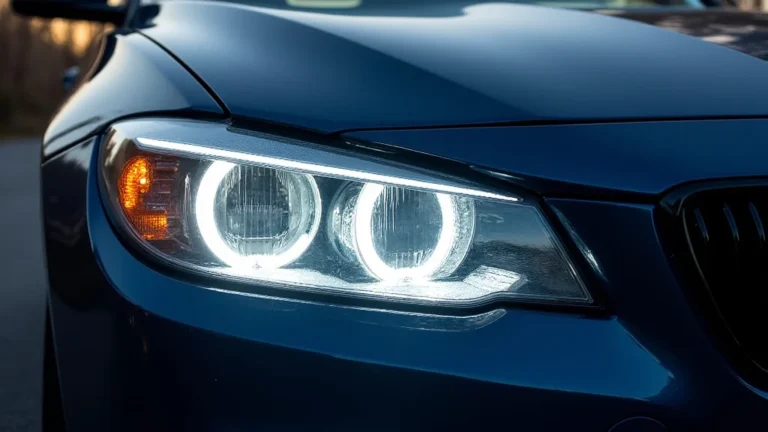
If you’ve driven at night recently, you’ve probably noticed something: why are car headlights so bright now? This is a common question, and it can be a little frustrating if you’re a new driver or have sensitive eyes. It’s like everyone is flashing their high beams all the time! Don’t worry, though. We’ll explore the different reasons and changes. We’ll look at the technology, how it works, and how it impacts your driving experience. So, buckle up! Let’s explore why these lights seem so intense.
The Evolution of Headlight Technology
The journey of car headlights is a story of continuous progress. We’ve moved far beyond simple, dim bulbs. Today’s headlights boast complex designs. They use advanced technologies to provide better visibility. This section explores these different types of headlights. It examines how they work and what makes them different.
Halogen Headlights: The Old Standard
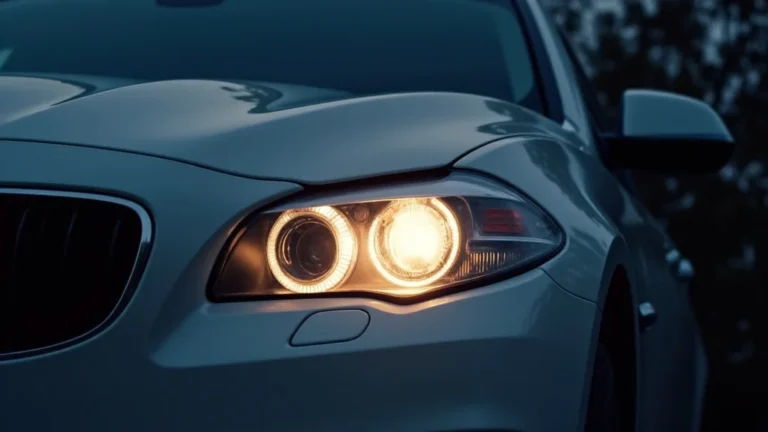
Halogen headlights were the go-to choice for decades. They use a filament, much like an older lightbulb. When electricity runs through the filament, it heats up and produces light. They were relatively inexpensive. They were easy to replace. However, halogen lights weren’t very bright. They also used a lot of energy. Over time, better options came along. They have slowly been replaced by more modern designs.
- How They Work: Halogen bulbs contain a tungsten filament within a glass envelope filled with a halogen gas (like iodine or bromine). The gas extends the life of the filament and allows it to burn hotter, producing brighter light.
- Brightness: Halogen lights offer a decent amount of light. The downside is that they are not as bright compared to newer technologies like HID or LED lights.
- Lifespan: Compared to other types, halogen lights have shorter lifespans. They often need
- Cost: Halogen headlights are typically the most affordable option. They are cheap to produce and replace.
High-Intensity Discharge (HID) Headlights: Stepping Up the Brightness
HID headlights, sometimes called xenon headlights, represent a step up in brightness. Instead of a filament, they use an electrical arc between two electrodes in a glass capsule filled with xenon gas. This creates a much brighter, whiter light. HID lights provided a major improvement over halogen. They made it easier to see at night. They also consumed less energy.
- How They Work: HID headlights use an electrical discharge between two electrodes to ignite xenon gas. This discharge produces a bright, intense light. They don’t have a filament, so they are more efficient.
- Brightness: HID headlights are considerably brighter than halogen lights, providing a wider and more focused beam. They enhance the driver’s visibility significantly.
- Color Temperature: HID headlights often emit a bluish-white light. This color makes them stand out on the road.
- Drawbacks: HID headlights need a warm-up period to reach their full brightness. They can also be expensive to replace if they stop working.
Light Emitting Diode (LED) Headlights: The Modern Revolution
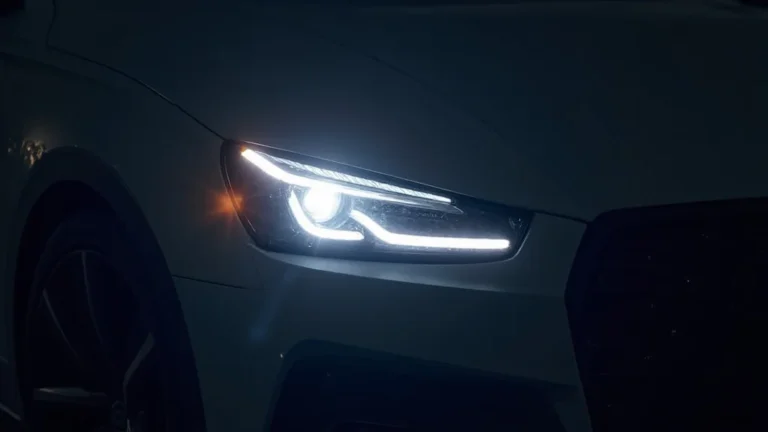
LED headlights are the current standard. They use light-emitting diodes to produce light. LEDs are incredibly efficient. They are long-lasting. They can be designed into many different shapes. They give car designers a lot of flexibility. LED headlights provide exceptional brightness and clarity. They use less energy than HID headlights. They have quickly become the top choice.
- How They Work: LEDs use semiconductors that emit light when electricity passes through them. This process is highly efficient and offers instant illumination.
- Brightness: LED headlights offer exceptional brightness. They deliver a very focused beam pattern. This provides excellent visibility without blinding oncoming drivers.
- Efficiency: LEDs are very energy-efficient. They consume less power than any other type of headlight. This helps improve fuel economy.
- Lifespan: LEDs have a very long lifespan. They can last for many years of use. This reduces the need for frequent replacements.
The Impact of Bright Headlights on Night Driving
While bright headlights improve visibility for the driver, they can also cause problems for other drivers. This section looks at the advantages and disadvantages of bright headlights. It explores how headlight brightness can affect night driving. It also talks about how these headlights can be designed to make them safer.
Benefits of Brighter Headlights
Brighter headlights offer key advantages for drivers. They increase visibility, allowing you to see further down the road. This gives you more time to react to potential hazards. These hazards can include pedestrians, animals, or other vehicles. Brighter lights also improve depth perception. This helps you judge distances more accurately. This increases safety for everyone on the road.
- Enhanced Visibility: Brighter lights allow you to see further down the road. This provides greater reaction time.
- Improved Depth Perception: Better lighting helps you judge distances more accurately. This is important for safe driving.
- Reduced Eye Strain: Quality headlights can reduce eye strain during night driving. This makes for a more comfortable experience.
- Increased Safety: Better visibility helps prevent accidents. This is because drivers can see potential hazards earlier.
Potential Issues With Bright Headlights
While brighter headlights improve visibility, they can also cause problems. The main issue is glare. Bright headlights can create a blinding effect for other drivers. This can reduce their ability to see. It can also lead to accidents. Improperly aimed headlights can make this problem worse. Glare can be especially bad on wet roads. That’s when light reflects off the road surface. This creates even more glare. It can be a safety concern.
- Glare: Bright headlights can cause glare for oncoming drivers. This can temporarily impair their vision.
- Reduced Visibility for Others: Glare can make it hard for other drivers to see the road, potentially leading to accidents.
- Eye Fatigue: Constant exposure to bright lights can cause eye fatigue. This can make driving more difficult.
- Misaligned Headlights: Headlights that are not properly aimed can worsen the glare problem, impacting other drivers.
Solutions and Technologies to Mitigate Problems
The car industry uses several technologies to reduce the problems caused by bright headlights. Adaptive driving beam (ADB) headlights can automatically adjust the light pattern. They dim certain areas to avoid blinding oncoming drivers. Anti-glare coatings on headlight lenses help to reduce the amount of glare. Automatic headlight leveling systems keep the headlights aimed correctly. These technologies aim to balance visibility with safety.
- Adaptive Driving Beam (ADB): ADB headlights automatically adjust the light beam to avoid blinding other drivers.
- Anti-Glare Coatings: Coatings on headlight lenses reduce glare. They scatter the light more efficiently.
- Automatic Headlight Leveling: This system keeps the headlights properly aimed. It prevents the lights from shining too high.
- Proper Headlight Aiming: Regular checks and adjustments ensure headlights are correctly aimed. This reduces the risk of glare.
Why Are Car Headlights So Bright Now? The Role of Regulations and Design
Regulations and design play a large part in the brightness of modern headlights. Automotive safety standards help define how bright headlights can be. They also define the way they distribute the light. These regulations vary from country to country. They keep up with advances in headlight technology. Headlight design also has a big impact. Car designers use these technologies to provide better visibility. This means the headlights are more effective.
Safety Standards and Regulations
Various organizations set the safety standards for headlights. These standards limit brightness. They also ensure the headlights provide appropriate light distribution. These regulations require headlights to meet certain performance criteria. They help to make sure that the lights are bright enough to provide good visibility. They also ensure that they don’t cause excessive glare. The aim is to balance safety for drivers and pedestrians.
- United States Regulations (FMVSS 108): The Federal Motor Vehicle Safety Standard 108 (FMVSS 108) regulates the performance and placement of headlights in the US.
- European Regulations (ECE): The Economic Commission for Europe (ECE) standards are used across Europe. They set requirements for headlight performance.
- Brightness Limits: Regulations define the maximum brightness levels for headlights to reduce the risk of glare.
- Light Distribution: Standards also dictate how light is distributed. This is to ensure a well-lit road and avoid blinding other drivers.
Headlight Design and Technology
Headlight design also significantly impacts how bright headlights appear. Modern headlights are not just brighter. They often include advanced features. These features can manage light output more effectively. Designers use lenses, reflectors, and light guides. They help to direct light precisely. These technologies allow for brighter lights without increasing glare. They improve safety and performance.
- Lenses and Reflectors: The shape and design of headlight lenses and reflectors greatly affect the light beam pattern.
- Light Guides: Light guides, particularly in LED headlights, help in creating uniform and focused light.
- Adaptive Lighting Systems: Systems like ADB headlights can change the light pattern based on driving conditions.
- Aesthetics: Headlight designs have become more complex. They aim for both performance and visual appeal.
The Impact of Consumer Preferences
Consumer preferences play a role in the design of headlights. People want brighter lights. They feel they improve safety. This demand has pushed the car industry to adopt and promote brighter headlight technology. The trend towards LED lights is partly because of this demand. People want better visibility. Car manufacturers respond by designing brighter, more efficient headlights. This can sometimes cause problems. This means there is a need for technology like ADB. It’s needed to balance the needs of all drivers.
- Demand for Brighter Lights: Consumers want better visibility. This demand drives the adoption of brighter headlights.
- LED Popularity: The popularity of LED headlights is due to their brightness and efficiency.
- Design as a Selling Point: Headlight design is also a key part of vehicle aesthetics. It can attract consumers.
- Balancing Needs: There’s a need to balance the consumer’s desire for brighter lights with the safety of all drivers.
The Future of Headlights and Driving Safety
The future of headlights looks promising, with many new developments. The car industry is always innovating. It is aiming for even better visibility and safety. These changes will improve the driving experience. They will also improve the safety of roads for everyone.
Emerging Technologies
Several emerging technologies are shaping the future of headlights. Matrix LED headlights offer precise light control. They are able to selectively dim sections of the light beam. This allows them to avoid blinding other drivers. Laser headlights produce an even brighter and more focused light. These technologies are leading to improved visibility. They will also improve driver safety. This is leading to a future where visibility is significantly improved.
- Matrix LED Headlights: These headlights have multiple LEDs that can be controlled individually. They provide very precise light distribution.
- Laser Headlights: Laser headlights use lasers to produce bright, focused light. They are often used in high-end vehicles.
- Adaptive Driving Beams (ADB): Further improvements in ADB systems provide better glare reduction and improved visibility.
- Integration with Advanced Driver-Assistance Systems (ADAS): Headlights may integrate more with ADAS systems. They adapt their performance based on road and traffic conditions.
Impact on Driving Safety
Advancements in headlight technology will have a significant effect on driving safety. Brighter, more focused headlights will make it easier for drivers to see hazards. These hazards include pedestrians, cyclists, and animals. This can improve driver reaction times. Technologies like ADB will reduce glare. They will also prevent accidents. The development of advanced headlights is one of the ways of making roads safer.
- Reduced Accidents: Better visibility helps drivers avoid accidents. This increases safety on the road.
- Improved Hazard Detection: Enhanced headlights make it easier to spot pedestrians, animals, and other hazards.
- Enhanced Driver Awareness: Better lighting helps drivers stay more aware of their surroundings. This reduces the risk of collisions.
- Nighttime Safety: The safety improvements provided by advanced headlights mainly benefit nighttime driving.
The Role of Education and Awareness
Education and awareness are important when dealing with the rise of brighter headlights. Educating drivers about the benefits and drawbacks of different headlight types is essential. It is also important to encourage the proper use and maintenance of headlights. This involves regularly checking and adjusting headlights. It also involves replacing damaged or worn-out bulbs. Greater awareness of headlight technology will help to make the roads safer for everyone.
- Driver Education: Educating drivers about the different types of headlights and their functions.
- Proper Use and Maintenance: Teaching drivers how to use their headlights correctly. Also, how to maintain them to ensure they work properly.
- Raising Awareness of Glare: Informing drivers about the effects of glare on other drivers.
- Encouraging Safe Driving Practices: Promoting safe driving habits. This includes dimming high beams when necessary.
Frequently Asked Questions
Question: Why do modern car headlights seem so much brighter than older ones?
Answer: Modern car headlights use advanced technologies, such as LEDs and HID, which are brighter and more efficient than older halogen bulbs. The design of these headlights and the regulations surrounding them also contribute to their increased brightness.
Question: Are brighter headlights always better?
Answer: While brighter headlights enhance visibility, they can also cause glare for other drivers. The ideal headlights balance brightness with features that minimize glare and distribute light effectively.
Question: What is the main cause of headlight glare?
Answer: Headlight glare is primarily caused by excessively bright lights or headlights that are not properly aimed. Poor headlight design, or the presence of dirty or scratched headlight lenses, can also contribute to glare.
Question: What can I do if I’m blinded by oncoming headlights?
Answer: If you’re blinded by oncoming headlights, reduce your speed, avoid looking directly at the lights, and focus on the right edge of the road or the lane markings until your vision returns.
Question: Are there any regulations about headlight brightness?
Answer: Yes, there are regulations about headlight brightness and light distribution. These regulations, set by organizations like the FMVSS and ECE, aim to balance visibility with minimizing glare and ensuring safe road conditions for all.
Final Thoughts
So, why are car headlights so bright now? The answer is a blend of evolving technology, regulations, and consumer preferences. We’ve moved beyond simple bulbs to advanced systems like LEDs and HID. These systems offer significant improvements in visibility, but they also bring new considerations. While brighter lights increase a driver’s ability to see, they can cause problems for other drivers. This is why features like adaptive driving beams and anti-glare coatings are becoming essential. By exploring the different technologies, regulations, and design choices, you have a better understanding of why car headlights seem so intense on the road. Remember to maintain your headlights correctly. And remember to adjust your driving based on the road and conditions. Stay safe and enjoy the journey!