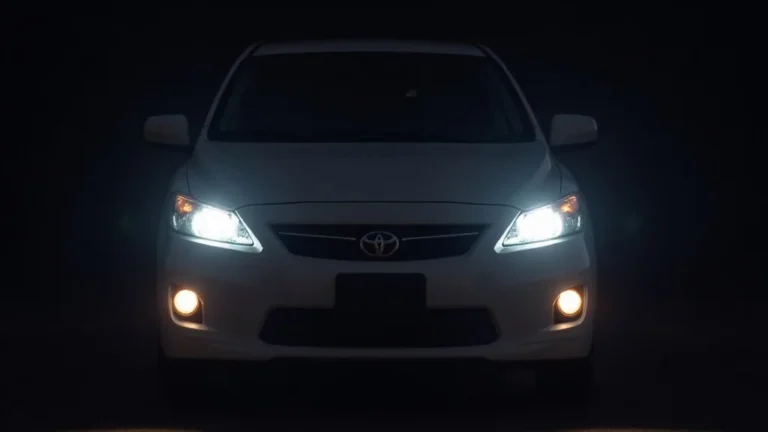
When to Use High Beam Headlights: A Driver’s Simple Guide
Figuring out when should you use high beam headlights can be tricky for new drivers. It’s common to feel unsure about it because safety is always the top priority! Don’t worry, this guide makes it easy. We’ll explore the best times to use your high beams and what to avoid, step-by-step. Get ready to illuminate your driving knowledge and become a more confident driver.
Understanding Your Headlights: A Driver’s Best Friend
Headlights are vital for safe driving, especially at night or in bad weather. They help you see the road and make sure other drivers can see you. However, there are two main types of headlights: low beams and high beams. Low beams are for everyday driving, and high beams give you a much brighter, more powerful light that lets you see farther. Knowing when to switch between these is key for safe driving. Using the wrong setting can be dangerous, potentially blinding other drivers and causing accidents.
The Purpose of Headlights
Headlights have one primary purpose: to help you see and be seen. They project light onto the road ahead, allowing you to spot obstacles, pedestrians, and other vehicles. This is especially important during nighttime, when visibility is reduced. But they also serve to make your car visible to other drivers, signaling your presence and helping to prevent collisions. Modern headlights are designed with this dual function in mind, optimizing both visibility and conspicuity for all road users. Without properly functioning headlights, the risk of an accident significantly increases.
- Improved Visibility: Headlights allow you to see farther down the road, giving you more time to react to hazards. They are essential to view the road at night. The headlights also shine light onto the sides of the road.
- Enhanced Safety: By making your vehicle more visible, headlights reduce the risk of accidents. Headlights increase your visibility to other drivers and increase the safety for all.
- Compliance with Regulations: Using headlights at the right times is usually required by law. It is important to know your local laws about headlights. Failing to do so can result in fines and other penalties.
- Improved Awareness: Headlights also help other drivers see you, which is important for lane changes, turns, and other maneuvers. Headlights play a key role in preventing accidents.
- Adaptability to Conditions: Headlights can be adjusted for different weather and road conditions, such as rain, fog, and snow. Different weather conditions and terrains may require different headlights.
Low Beam Headlights: The Everyday Standard
Low beam headlights are designed for general driving situations. They provide adequate illumination of the road ahead without blinding other drivers. They are designed to project light downwards and to the sides. This ensures that the road is well-lit, while preventing the light from shining directly into the eyes of oncoming drivers. Using low beams at night ensures visibility without causing a hazard.
When visibility is low, such as when it’s raining, snowing, or foggy, it is important to know about low beam headlights. These conditions can significantly reduce visibility, making it difficult to see the road and other vehicles. Low beams are designed to cut through these conditions. You should use your low beams anytime visibility is reduced due to weather or other factors. This allows you to see more clearly and alerts other drivers to your presence on the road. Remember, it is best to be extra cautious in bad weather.
High Beam Headlights: Illuminating the Night
High beam headlights, also known as “brights,” are the more powerful option. They project a much stronger light that can reach farther down the road, making them useful in certain situations. The light from high beams is directed higher than low beams. High beams provide a higher level of illumination. The high beam’s purpose is to allow drivers to see further down the road, especially in dark conditions.
Key Situations: When Should You Use High Beam Headlights?
Knowing when should you use high beam headlights is essential for driving safely. High beams should only be used in specific situations where they won’t put other drivers at risk. This means understanding when the road is clear and when your high beams can help. Improper use can lead to dangerous situations and even accidents.
Driving on Unlit Roads
One of the best times to use high beams is on roads with no streetlights. In areas where there isn’t much light, high beams significantly improve visibility, allowing you to see potential hazards like animals, pedestrians, or road debris. The extra light allows you more time to react. You need to ensure the road is free from other vehicles before using your high beams. Be aware of curves in the road that may conceal approaching cars. In this case, you should use your judgement.
- Increased Visibility: High beams dramatically increase your visibility range, helping you spot objects and dangers far ahead. They can make the difference between seeing a hazard in time or not.
- Early Hazard Detection: The extended range of high beams lets you see potential hazards sooner, giving you more time to react. The sooner you can see the issue, the better prepared you’ll be to respond to any situation.
- Safety in Rural Areas: On dark, rural roads, high beams are a valuable tool. They help you stay aware of the surroundings. Roads in rural areas often have few light sources, so high beams are essential for safe driving.
When Approaching Wildlife
High beams can be helpful when you are driving through areas where animals might cross the road. The brighter light can help you spot animals sooner, giving you time to slow down or take other measures to avoid them. For instance, if you are driving on a rural road, high beams help you. Be sure to turn off your high beams when there is oncoming traffic.
- Enhanced Awareness: High beams can help you detect animals before they cross the road. When driving on roads that are near animal habitats, it helps increase your awareness of potential hazards.
- Reduced Reaction Time: Detecting animals sooner gives you more time to react and avoid a collision. The increased visibility offered by high beams translates to having more time to make a decision.
- Improved Safety: High beams allow you to make better choices and react to any situation safely. This contributes to better safety outcomes. By allowing you to respond more quickly, high beams can prevent dangerous situations.
Driving in Poor Weather Conditions
While high beams are useful in some situations, using them in poor weather, such as fog, rain, or snow, is usually not a good idea. The light from high beams can reflect off of water droplets or snowflakes, reducing visibility instead of improving it. This can make it even harder to see the road and other vehicles. It’s usually better to use low beams in these conditions.
However, there are exceptions. If the rain or snow is very light and you are on a road with no other traffic, you might be able to use high beams cautiously. Always be aware of other vehicles and reduce your speed to adjust for conditions. It is important to adjust your driving style and the light settings to suit the conditions.
Additional Situations to Consider
Beyond the main situations, there are a few other times when high beams might be useful. Always be prepared to switch between high and low beams as needed. These are just some things to keep in mind to ensure safety on the road.
- In Emergencies: If you need to alert other drivers to a dangerous situation, such as a stalled vehicle, you can flash your high beams briefly. It is a tool for attracting attention.
- Signaling: Flashing your high beams can also be a way to communicate with other drivers. For example, if you see another car with its headlights off at night, flashing your high beams can be a way to let them know.
- Avoiding Hazards: High beams can help you see and avoid hazards that might be difficult to spot with only your low beams. By spotting potential issues sooner, you are better equipped to respond safely.
Rules and Regulations Regarding Headlights
Headlight regulations are in place to ensure road safety. These rules help drivers know when to use low beams and high beams, and they also address other important issues, such as headlight aim and maintenance. These laws are intended to protect all road users. Make sure you are informed and follow all regulations to ensure everyone’s safety. Familiarizing yourself with these rules is essential for safe driving.
State and Local Laws
Driving laws about headlights can vary depending on where you live. However, there are some common rules that you should know. For instance, most places require you to use headlights at night, and during periods of limited visibility, such as in rain or fog. Knowing your state and local rules is crucial for safe driving.
- Nighttime Driving: It is usually a law to use headlights from dusk until dawn. Make sure to switch on your headlights. Some states may specify exact times for headlight use.
- Adverse Weather: You’re often required to use headlights during rain, snow, fog, or any other condition that reduces visibility. Make sure you can see the road clearly and others can see you too.
- High Beam Restrictions: There are rules about when to use high beams. High beams should not be used when approaching or following another vehicle. Be sure to check the specific details for your location.
Avoiding Blinding Other Drivers
One of the most important rules is to avoid blinding other drivers. High beams can create a safety hazard, so it is important to know when to switch to low beams. Improper use can lead to accidents. Always switch to low beams when you see an oncoming vehicle, and when you are following another car.
There are some simple techniques to help avoid blinding others. Also, it is important to be extra careful when approaching a curve or hill. If you are uncertain, err on the side of caution and use low beams. This will help you stay safe. It can be easy to forget sometimes, but it’s always best to be aware.
Headlight Maintenance
Proper headlight maintenance is also important. Headlights that are dirty, damaged, or not aimed correctly can reduce visibility, and it’s also a legal requirement. Regular checks can keep your headlights in good condition. Make sure your headlights are clean, and look for any issues. Well-maintained headlights are key to safe driving.
- Clean Lenses: Regularly clean your headlight lenses. This removes dirt and grime that can reduce light output. Dust and debris can build up over time.
- Check Aim: Make sure your headlights are correctly aimed. If the aim is off, your headlights might not be effective. If your headlights are aimed incorrectly, they can be blinding to other drivers.
- Replace Bulbs: Replace burnt-out bulbs promptly. Having a working headlight is essential for safety. Check regularly for any bulbs that have gone out.
- Inspect for Damage: Check for any damage to your headlight lenses. Cracks or other damage can reduce light output. Always inspect the headlights for damage or issues.
Practical Driving Scenarios
Applying the rules about high beams in real-world scenarios is important. Here are some situations. By practicing in different conditions, you can learn to make the right choices about when to use high beams. These scenarios will help you gain a better understanding.
- Driving on a Dark Country Road: You are driving on a rural road with no streetlights. In this case, you will use your high beams to see the road. You can see obstacles such as animals. Be sure to switch to low beams when another car approaches.
- Approaching Oncoming Traffic: You are driving on a dark road and see headlights approaching. Switch to low beams until the other car passes to avoid blinding the other driver. Wait to switch back to high beams until they pass.
- Following Another Vehicle: You are driving behind another vehicle on a dark road. Use your low beams to avoid blinding the driver in front of you. Maintain a safe distance and stay aware of your surroundings.
- Driving in Fog: You are driving in heavy fog. Use your low beams or fog lights. High beams can reflect off the fog, which will reduce visibility and make it harder to see.
Real-Life Examples and Results
Understanding when should you use high beam headlights is better with real-life examples. Here are some examples of what can happen, and the outcomes. These stories can help illustrate how following these guidelines can lead to a safer driving experience. These examples show the practical impact of making responsible choices.
Example 1: A driver traveling on a dark, unlit road at night uses their high beams. They spot a deer crossing the road further ahead. Because they had their high beams on, they had enough time to slow down safely and avoid a collision. The outcome was a safe, uneventful journey without an accident.
Example 2: A driver is on a highway with light traffic. They keep their high beams on while following another car too closely. The other driver is blinded by the lights in their rearview mirror and unexpectedly slams on the brakes, causing a rear-end collision. As a result, both drivers had car damage.
Example 3: A driver in a fog storm in their area keeps their high beams on. The light reflects off of the fog, creating a blinding glare. Unable to see clearly, the driver ends up running off the road. The result was damage to the vehicle and a risk to the driver’s safety.
| Scenario | Headlight Setting | Result |
|---|---|---|
| Driving on Unlit Road | High Beams On | Increased Visibility, Early Hazard Detection |
| Approaching Oncoming Traffic | Low Beams On | Avoided Blinding Oncoming Driver, Safe Passage |
| Following Another Vehicle | Low Beams On | Avoided Blinding the Driver Ahead, Prevented Accident |
| Driving in Fog | Low Beams or Fog Lights | Improved Visibility, Safe Navigation |
Frequently Asked Questions
Question: When should I switch from high beams to low beams?
Answer: Switch to low beams when you see another vehicle approaching, or when you are following another vehicle. This helps to avoid blinding other drivers.
Question: Is it ever okay to use high beams in the city?
Answer: Generally, no. City streets usually have streetlights, so high beams are not needed. You should use low beams in the city to avoid blinding other drivers.
Question: What’s the signal to turn off high beams?
Answer: If another driver flashes their headlights at you, it means you have your high beams on and they are being blinded. This is your signal to switch to low beams.
Question: What are fog lights? Are they different than headlights?
Answer: Fog lights are additional lights that are designed to help visibility in foggy conditions. They are usually mounted low on the car. They project a wide, flat beam of light. Fog lights and headlights serve different purposes but both are important for safety.
Question: What happens if I use high beams improperly?
Answer: Improper use of high beams can blind other drivers, leading to dangerous situations. This increases the risk of an accident and can also result in a traffic ticket.
Final Thoughts
Knowing when should you use high beam headlights is a key skill. You should use high beams on dark, unlit roads. However, always be ready to switch to low beams when another vehicle is near. Make sure to use low beams in cities and during bad weather. By following these easy steps, you can greatly improve your safety on the road. Remember, it’s always best to be cautious. With each drive, you’ll become more confident in these decisions. Drive safely and be aware of your surroundings.