When to Turn On Your Headlights: A Driver’s Simple Guide
Figuring out when should you turn on your headlights can be tricky, especially when you’re just starting to drive. It’s a common question, and sometimes it feels like there’s a lot to remember. Don’t worry, this guide will break it down into easy steps so you can drive confidently in any situation. We’ll explore the main rules and some less obvious times to flip that switch. Ready to become a headlight pro?
Basic Rules for Headlight Usage
The core rules for headlight use are straightforward, yet many drivers find themselves second-guessing these fundamentals. These principles exist to make sure that other drivers see you, and that you can see the road ahead clearly. Understanding these basics is important for safety. They also help reduce the chance of getting a ticket from law enforcement. The correct application of these rules protects both you and other road users.
Driving During Darkness
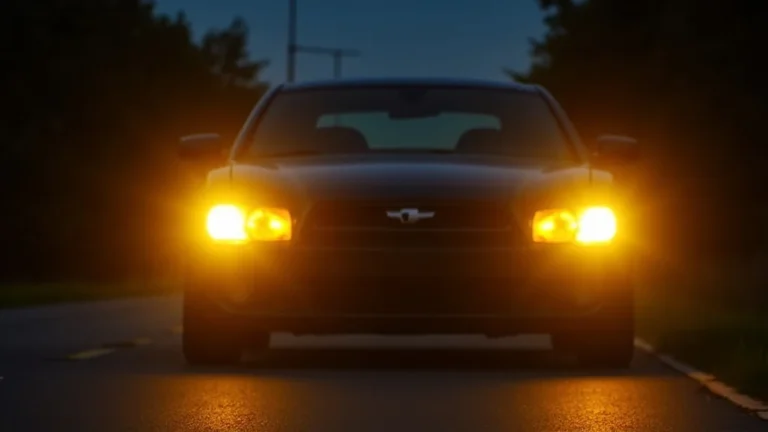
The most obvious time to use your headlights is during the night. The timeframes for night driving vary depending on the season and location, but it generally starts around sunset and lasts until sunrise. Headlights are essential for seeing the road, signs, and other vehicles. They also make your vehicle visible to others, which is very important for road safety. Remember that as the sun begins to set, the change in lighting can make it hard to see. Turn on those headlights when it gets dim.
- Sunset to Sunrise: This is a simple rule. If it’s dark outside, your headlights are a must.
- Visibility: Always ensure you can see at least 500 feet ahead. If visibility drops below that, headlights are required.
- Traffic Laws: Many places have laws requiring headlights between certain times. Make sure you know them.
- Parking Lights: These are for when the car is stationary; use headlights when moving.
Adverse Weather Conditions
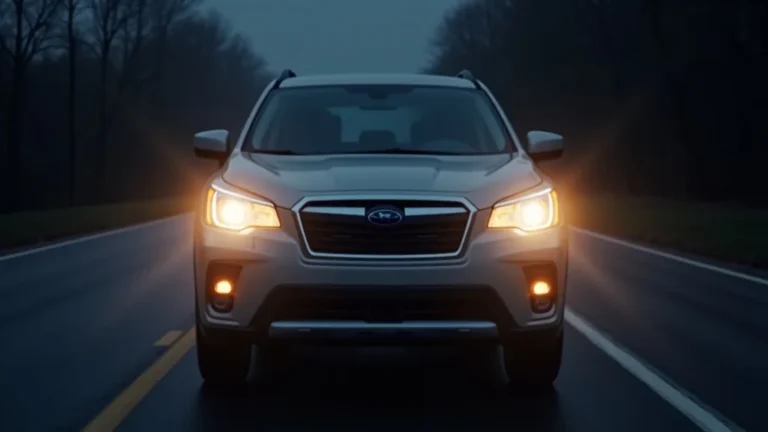
Bad weather greatly reduces visibility. Rain, snow, fog, and even heavy dust can make it hard to see. Your headlights cut through the weather and make your vehicle more visible to other road users. This is important to reduce the risk of accidents. Make sure to turn on your headlights in such conditions. Think of it as a way of telling other drivers, “Hey, I’m here!”
- Rain: When rain reduces visibility, headlights improve your and other drivers’ view of the road.
- Snow: Heavy snowstorms cut visibility. Headlights help.
- Fog: Fog can severely limit your vision. Use headlights to stay safe.
- Dust Storms: In areas where dust storms are common, using your headlights increases visibility.
Specific Situations When Headlights Are Needed
Besides the clear rules of night and bad weather, there are times when headlight use isn’t as obvious. These are often about enhancing your visibility to other drivers, or for safety reasons. It’s all about making sure other people on the road can see your vehicle and understand where it is and what it’s doing. By being prepared for these situations, you’re becoming a safer driver.
When Visibility Is Reduced
The definition of reduced visibility goes beyond just rain or night. This includes situations like dawn or dusk, when the sun’s angle can cause glare. Other conditions to consider include smoke, haze, or even driving through shaded areas where sunlight is obscured. Making the effort to switch on your headlights in these conditions makes your vehicle more noticeable and can prevent a bad situation.
- Dawn and Dusk: During these times, the sunlight can cause shadows. Headlights are useful.
- Smoke: If there’s smoke from a fire, turn on your lights.
- Haze: Haze can reduce visibility, so use your headlights.
- Shaded Areas: Entering a wooded or shaded area? Turn on your headlights to make your vehicle more visible.
Using Headlights to Signal
Headlights are useful for more than just seeing and being seen. They can also act as a signal to other road users, especially in situations where you might need to make sure someone knows you’re there. This helps avoid accidents. Think about how much easier it is to see someone with headlights on, compared to someone without. This is why using headlights in certain conditions isn’t just about what you can see, but what others can see.
- Blind Curves: Use your headlights before blind curves to alert oncoming drivers.
- Narrow Roads: When passing other vehicles, headlights let them see you sooner.
- Traffic Issues: If there is a problem ahead, use your headlights to give warning.
- Emergency Situations: In an emergency, flashing your headlights is an effective way to attract attention.
Understanding Headlight Types
Modern vehicles come with different types of headlights, each with their own pros and cons. They range from simple halogen bulbs to more advanced LED and xenon lights. Knowing these types of lights and how they work will help you to appreciate how they add to your safety on the road. The different types of headlights deliver different levels of brightness, energy efficiency, and durability, and also affect how other drivers see you.
Halogen Headlights
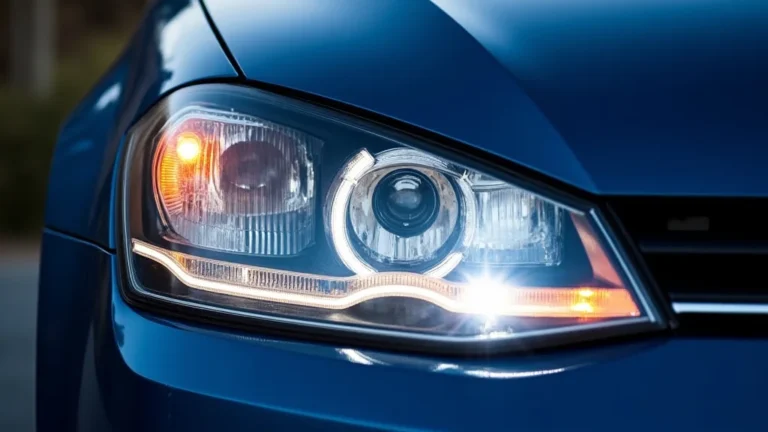
Halogen headlights are common and affordable. They use a filament that heats up to produce light. Their main advantage is low cost and ease of replacement. The drawback is that they don’t produce as much light as other options and are also less energy efficient. Although they’re a common choice, they are often less bright and less energy efficient than newer types of headlights. This can impact your vision at night and in poor conditions.
- Cost: Halogen lights are generally the cheapest option.
- Brightness: They offer decent light but aren’t as bright as other types.
- Energy Use: They use more energy than LED lights.
- Lifespan: Their lifespan is shorter compared to LED or xenon lights.
LED Headlights
LED (Light Emitting Diode) headlights are becoming very popular. They are more energy-efficient and last much longer than halogen bulbs. LED lights also produce a brighter light, which leads to improved visibility. Though they may cost more to
- Efficiency: They use less power than halogen bulbs.
- Brightness: LED lights are typically brighter, improving visibility.
- Lifespan: They last much longer than halogen lights.
- Cost: LED headlights can be more expensive than halogen lights.
Xenon Headlights
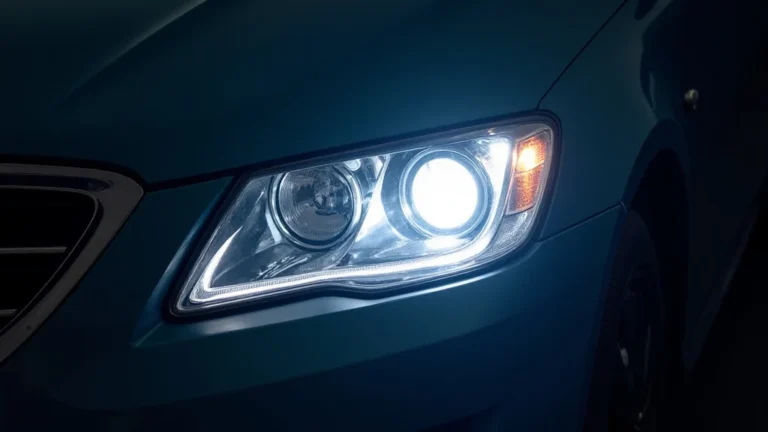
Xenon headlights, also known as High-Intensity Discharge (HID) lights, produce a very bright light. They’re brighter than halogen lights and can offer great visibility. They often have a bluish tint. They require a ballast to function. These headlights can be a middle ground between halogen and LED lights. Their bright output makes them great for driving at night and in poor conditions.
- Brightness: Xenon lights produce a very bright light.
- Light Color: They often have a distinct, bluish tint.
- Cost: They are more expensive than halogen but often less costly than LED lights.
- Energy Use: They are more energy efficient than halogen headlights.
Headlight Maintenance and Safety Tips
It’s important to do routine checks to maintain your headlights. The best headlights in the world are useless if they’re dirty, dim, or pointing in the wrong direction. Regularly clean and check your headlights, ensuring they are always in top condition. This is a very important part of staying safe while driving. Simple habits, such as cleaning your headlights, or checking their alignment, can make a difference in your safety.
Cleaning Headlights
Headlights can become dirty from road grime, insects, and other debris. This dirt can reduce their effectiveness by blocking or scattering the light. Cleaning your headlights regularly is key to making sure you can see the road clearly. This will also make sure that other drivers can see you. A simple cleaning routine keeps your headlights performing at their best, improving your safety on the road.
- Regular Washing: Wash your headlights every time you wash your car.
- Use a Cleaner: Use a cleaner made for headlights.
- Avoid Abrasives: Don’t use harsh cleaners that could scratch the lenses.
- Inspect: Check for any cracks or damage during cleaning.
Checking Headlight Alignment
If your headlights are misaligned, they may not illuminate the road properly. They may also blind other drivers. Properly aligned headlights direct the light where it is most needed. This provides better visibility for you and ensures you aren’t a hazard to other vehicles. You may need to have your headlights adjusted by a mechanic to make sure they’re pointing the right way.
- Beam Position: The lights should point down the road and not up into the trees.
- Professional Check: Get them checked by a mechanic.
- Self-Check: You can check their basic alignment by parking in front of a wall at night.
- Adjustments: Most cars have a way to adjust headlight aim.
According to the National Highway Traffic Safety Administration (NHTSA), nighttime driving accounts for about 49% of all traffic fatalities, although drivers cover less than half the distance at night. This highlights the importance of effective headlights.
Advanced Driving Scenarios and Headlights
There are some special driving situations where headlight usage becomes even more important. This is because these situations involve extra risks. Awareness of these scenarios can help you take the right actions and drive more safely. These scenarios focus on safety and showing respect for other drivers.
Driving on Highways
Highways have unique conditions that affect headlight use. Speeds are higher, and the surroundings can influence visibility. Being aware of these elements helps ensure your safety and that of other drivers. Highway driving involves extra risks such as higher speeds and rapid changes in road conditions.
- High Speed: Use your lights, especially at night.
- Long Distance: Headlights help others see you.
- Changing Conditions: Be prepared to turn them on for weather changes.
- Glare: Use your high beams when safe, and dim them quickly when other cars approach.
Mountain Driving
Mountain roads offer a set of challenges. These include sharp curves, limited visibility, and quick weather changes. Using your headlights on mountain roads is essential for safety. When navigating mountain passes, it’s wise to be prepared for reduced visibility. You should also be aware of changes in weather, and be extra careful with your headlights.
- Curves: Use headlights to signal your position.
- Visibility: Watch out for fog and other low visibility situations.
- Weather: Be ready to turn your headlights on or off.
- Animal Sightings: Use headlights to increase visibility of animals.
The Insurance Institute for Highway Safety (IIHS) reports that headlights can reduce nighttime crashes by around 20% when properly used. This figure reinforces the importance of using headlights in conditions of reduced visibility.
Frequently Asked Questions
Question: When should I use my high beams?
Answer: Use your high beams on dark, unlit roads where you need extra visibility and when there is no oncoming traffic. Remember to dim them for oncoming vehicles.
Question: Is it okay to use my headlights during the day?
Answer: Yes, it is. Some people find that daytime use of headlights makes their vehicle more visible to other drivers, especially in conditions like rain or fog.
Question: What’s the difference between daytime running lights (DRLs) and headlights?
Answer: Daytime running lights (DRLs) automatically turn on when you start your car. They are usually less bright than headlights. Headlights are for night and conditions of reduced visibility.
Question: What do I do if one of my headlights burns out?
Answer: Replace the bulb as soon as possible, and drive only when necessary until you can fix it. Having one headlight out makes it harder for others to see you.
Question: Are there any penalties for not using my headlights properly?
Answer: Yes, you can receive a ticket or fine for not using your headlights when required. The penalties vary by location, but it’s always best to follow the rules.
Final Thoughts
Now you have a clear picture of when should you turn on your headlights. We’ve explored the basic rules, the different types of headlights, and specific situations where they are needed. Remember that the key is visibility. Using your headlights is about making sure other people on the road can see you and that you can see what’s in front of you. By understanding these guidelines, you’re not just following the rules, you are making yourself and other drivers safer. So, next time you are behind the wheel, remember these tips. Drive carefully and make the right decision about your headlights. You’ve got this!