Is It Illegal to Have Blue Headlights? Everything You Need to Know
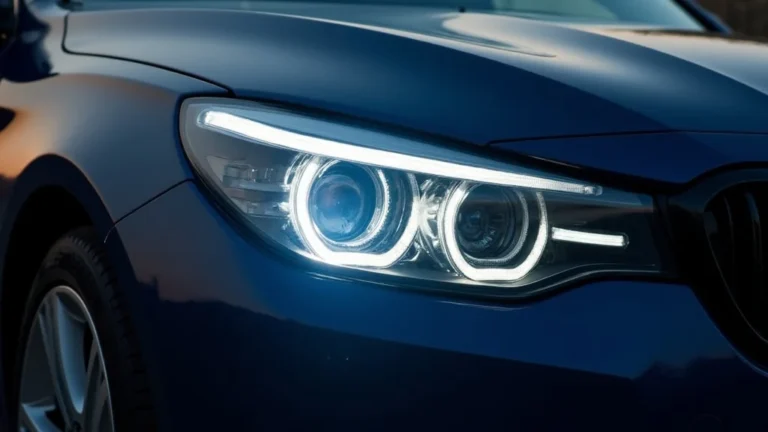
Figuring out is it illegal to have blue headlights can be tricky! It’s a common question, especially for new drivers or anyone interested in customizing their car. Regulations vary a lot, and it’s easy to get confused. Don’t worry, though. This guide will make it super easy to explore everything you need to know. We’ll explore the laws, explain the reasons behind them, and provide straightforward answers. Let’s get started!
Understanding the Laws on Headlight Colors
The rules about headlight colors aren’t the same everywhere. Different states and countries have their own sets of laws. These laws aim to keep the roads safe for everyone. The main thing is to make sure other drivers can see your car clearly and that your headlights don’t cause any confusion or problems. Typically, the main concerns relate to visibility and the ability of other drivers to quickly assess the situation on the road. Many regulations specify the acceptable colors allowed, which are often limited to white and yellow.
Why Certain Colors Are Restricted
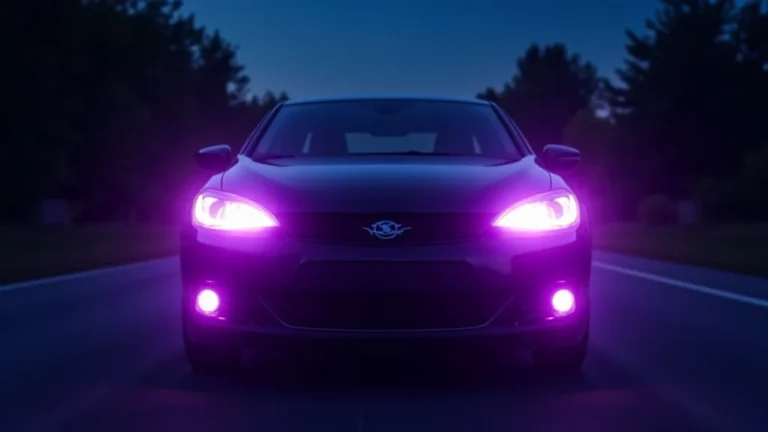
Some headlight colors are restricted because they can mess with other drivers’ vision. Blue, for example, is sometimes associated with emergency vehicles like police cars and ambulances. If your headlights are blue, other drivers might mistake you for an emergency vehicle, leading to delayed reactions or even dangerous maneuvers. The issue extends beyond just blue; colors that are too bright or not bright enough also cause problems. The intensity of a headlight, as well as its color, influences how other drivers perceive distance and speed. This is also why many places require headlights to be either white or yellow, which are colors that have become universally accepted as standard for vehicle illumination.
- Distraction: Bright or unusual colors can be very distracting, making it difficult for drivers to focus on the road.
- Association: Colors like blue and red are often reserved for emergency vehicles, and using them can cause confusion.
- Reduced Visibility: Some colors may reduce your visibility in certain weather conditions, such as fog or snow.
- Difficulty Judging Distance: Unusual colors can make it difficult for other drivers to accurately judge how far away your car is.
In many regions, the use of non-standard headlight colors is strictly prohibited. The laws emphasize the significance of standardized lighting to guarantee that drivers can correctly recognize vehicles and assess their surroundings, promoting safer driving conditions for all road users. Regulations are subject to change, so keeping informed about local laws is essential to avoid breaking any traffic rules and possible penalties.
Legal Colors and What’s Permitted
Typically, most places permit only white or amber (yellowish-orange) headlights. White headlights are usually the standard and are used for low and high beams. Amber lights are often used for turn signals. The idea is to have colors that are easily recognizable and don’t blend in with other lights on the road. These colors provide good contrast and visibility in various weather conditions, making it easier for other drivers to see your car. Some vehicles may use yellow headlights, but this is less common.
Here’s a breakdown of common color allowances:
- White: Generally allowed for headlights (both low and high beams).
- Amber/Yellow: Often permitted for turn signals and sometimes for fog lights.
- Other Colors: Blue and other non-standard colors are typically restricted.
Always check your local regulations to confirm the specific laws in your area. This will help make sure you are in compliance and avoiding any penalties. If you are unsure, it’s always best to stick with the standard white or amber colors to be safe. You can check your local Department of Motor Vehicles or transportation websites for the most accurate and up-to-date information.
Is It Illegal to Have Blue Headlights? State-by-State Breakdown
The legality of blue headlights varies widely depending on where you live. Some places strictly forbid them, while others might have more lenient rules or specific exceptions. The variations stem from the fact that traffic laws are generally enacted at the state or local level rather than nationally. This leads to a patchwork of regulations. For a clearer image, it is best to check with your local DMV.
Common State Regulations
Many states specifically outlaw blue headlights. This is because blue light can be very distracting and potentially cause confusion. Many states and provinces have very specific rules about the color of headlights, taillights, and other vehicle lighting components. The concern is mainly with safety, making sure all cars are visible and identifiable on the roads. Because regulations may differ considerably, you should always consult your local Department of Motor Vehicles or the equivalent transportation authority for precise information about permitted headlight colors.
- Strict Bans: Many states have complete bans on blue headlights.
- Limited Exceptions: Some states may allow blue lights only for specific uses, like aftermarket fog lights or headlights, with restrictions.
- Variations: Even within a state, there can be variations in enforcement or interpretation of the rules.
When it comes to vehicle lighting, it’s wise to stay informed about local regulations. This helps to make sure you’re operating safely and avoiding potential penalties such as tickets or having your vehicle fail inspection. Being in compliance also contributes to road safety, as standard lighting helps other drivers easily and quickly identify your vehicle. This makes it easier for them to react in a timely manner, which reduces accidents.
Impact of Regulations
These regulations directly impact drivers who want to modify their cars. If you install blue headlights in a place where they’re not allowed, you could get a ticket. You may also be required to change them back to legal colors to pass a vehicle inspection. The regulations also influence the types of products available on the market. Manufacturers must produce headlights that comply with the laws of the regions where they are sold. The enforcement of these rules may vary, but the potential consequences, such as fines or vehicle impoundment, underscore the importance of sticking to the rules.
- Ticket: You may get a fine if your headlights are illegal.
- Inspection Failure: Your car might fail its inspection.
- Enforcement: Police can stop you if they notice illegal headlights.
Keeping an eye on local regulations and making sure your vehicle’s lighting complies with all applicable standards guarantees that you avoid legal problems and contribute to safer roads for everyone. You can always check official government websites, such as your state’s DMV, for official and up-to-date information on headlight regulations.
Reasons Behind Headlight Color Restrictions
The restrictions on headlight colors, especially blue, are based on several key safety and practical considerations. The main goal is to promote road safety and make sure that drivers can see and react to other vehicles. These rules are designed to balance aesthetics and safety, as well as to minimize distractions and provide clarity on the road. Understanding these reasons will assist in appreciating the role of headlight regulations in promoting safe driving habits.
Safety Considerations
The principal justification for headlight color restrictions is to improve road safety. Non-standard colors, particularly blue, can make it difficult for drivers to correctly judge distances and react quickly to traffic hazards. This is especially true at night or in conditions of poor visibility, such as rain or fog, where the wrong color can hamper visibility. Restrictions on headlight colors are, therefore, a key component of vehicle safety standards. When lighting is standardized, drivers can identify the vehicles around them more quickly and make better decisions.
- Reduced Visibility: Certain colors can reduce your visibility in fog or snow.
- Glare: Blue lights can produce glare, which hinders other drivers’ vision.
- Confusion: Blue lights might be mistaken for emergency vehicles.
The goal is to eliminate potential hazards, such as driver confusion or reduced visibility, and create a driving environment that is safer for everyone. By implementing regulations concerning headlight colors, authorities aim to improve safety for all drivers. This standard helps ensure that all vehicles are easily recognized on the road.
Practical Concerns and Their Significance
In addition to safety concerns, there are other considerations. For instance, the performance of various colors in different weather conditions is essential. White and amber lights have been proven to deliver the best visibility in rain, snow, and fog. Blue lights, on the other hand, might not function as efficiently in these conditions, which can be an important consideration for road safety. The practical concerns also involve the design and production of headlights. Headlights must be designed to meet specific safety standards and the requirements of government regulations, which influence the options available to consumers.
- Weather Conditions: Some colors perform better in rain or fog.
- Durability: Certain colors may have varying lifespans.
- Cost: Different colored lights might have different price points.
These practical considerations help to strike a balance between aesthetics, utility, and safety. Regulations on headlight colors support this balance by promoting the usage of hues that are efficient and safe for all drivers. By considering the practical implications, regulators can make decisions that maximize safety without sacrificing other essential elements like fuel efficiency and performance.
Legal Penalties for Using Illegal Headlights
Using illegal headlights, such as blue ones where they are not permitted, can result in several legal consequences. The severity of the penalties varies depending on where you are. In general, the goal is to discourage the use of non-compliant equipment and preserve road safety. The penalties will vary depending on your location, but the important point is to be aware of the laws and to respect them to keep you and other drivers safe.
Types of Penalties
The types of penalties that can be imposed for using illegal headlights include a fine, a ticket, and sometimes more severe consequences. The specific penalties depend on the laws of the region. Law enforcement officers may issue tickets. They may also be allowed to pull you over for these offenses. Understanding these penalties is essential to make sure you stay in compliance with the law and avoid any negative consequences.
- Fines: Monetary penalties are common for breaking headlight laws.
- Tickets: You might get a traffic ticket.
- Vehicle Inspections: Your car may fail an inspection.
- Mandatory Repairs: You may be required to change your headlights.
The ultimate goal of imposing penalties is to encourage drivers to comply with safety regulations and make sure all vehicles on the road are equipped with safe and legal lighting. The enforcement of these rules contributes to making roads safer for everyone. You should always check the local laws to understand the specific implications of any violations and avoid facing these penalties.
Real-Life Consequences
The real-life consequences of using illegal headlights can be much more than just a fine. Besides getting a ticket, you could be ordered to appear in court, your insurance rates might go up, or your vehicle could be impounded. The costs can quickly add up, and the inconvenience can be significant. More importantly, using illegal headlights could make you vulnerable in an accident if your insurance provider determined that illegal headlights contributed to the collision.
- Traffic Stop: You may be pulled over by law enforcement.
- Court Appearance: You may need to go to court.
- Insurance Issues: Your insurance rates could increase.
Avoiding these consequences is as simple as making sure your headlights comply with local laws. This protects you from legal repercussions and also guarantees that your vehicle is safe. When you are in compliance, you show that you care about safety and contribute to making roads safe for everyone. Make sure your headlights comply with local regulations and ensure a smooth and safe driving experience.
Alternatives to Blue Headlights (And Staying Legal)
If you love the idea of customizing your car’s look but want to stay legal, there are lots of great options. You can still modify your headlights or other lighting features to improve both safety and aesthetics. The focus is to choose solutions that meet legal standards. By making sure your vehicle lighting is compliant with local regulations, you can get the look you want while keeping things safe and legal.
Legal Customization Options
There are many ways to personalize your car’s headlights without breaking the law. One choice is to install headlights that meet local standards, which includes the typical white or amber lights. Another is to consider the color of your housing or the trim around your headlights, which is a great way to give your vehicle a distinct look. These modifications can dramatically change the look of your vehicle while maintaining full compliance with the law.
- LED Upgrades: Switch to brighter, more efficient LED headlights (ensure color is compliant).
- Headlight Housings: Customize the housing around your headlights.
- Fog Lights: Use amber fog lights where permitted.
- Light Tinting: Apply a light tint to the headlight lens (check local laws).
When picking any upgrades, it is essential to review your local regulations to ensure compliance. You should also ensure that any modifications you make don’t reduce visibility or impact the safety of your vehicle. Keep an eye on any changes in the laws. By choosing the legal modification options, you can personalize your vehicle while enjoying peace of mind about road safety and remaining in compliance with the law.
Keeping it Safe and Compliant
Prioritizing both safety and compliance is vital while customizing your vehicle lighting. Before making any changes, it is essential to research your local laws. It’s a great idea to check any laws that could impact your lighting, such as color regulations, brightness restrictions, and allowable modifications. Consider safety factors as well. Choose lighting options that improve your visibility without blinding other drivers. It is a good idea to seek out certified products and installations. Finally, be sure to inspect your lights regularly to make sure they are operating properly and are not hindering visibility.
- Research: Know the local laws for lights.
- Safety First: Ensure any modifications improve visibility.
- Quality: Buy high-quality, certified products.
- Regular Checks: Maintain your lights regularly.
Following these steps will help you customize your car in a safe and legal manner. By blending your creative vision with road safety, you can enhance your vehicle’s look without compromising safety. Make sure that you comply with local regulations to avoid any legal problems and guarantee a safe driving experience for everyone. Be sure to explore all legal options, from LED upgrades to housing customization, so you can achieve the desired look.
| Feature | Standard Headlights | Custom Headlights (Legal) | Illegal Headlights (Example: Blue) |
|---|---|---|---|
| Color Options | White, Yellow/Amber | White, Yellow/Amber, Housing/Trim | Blue, Certain Shades of Green/Purple |
| Legality | Fully legal | Legal if meeting local laws | Usually Illegal |
| Safety | High visibility, standard | Improved visibility (with proper selection) | Potential glare, confusion |
Frequently Asked Questions
Question: Are blue headlights always illegal everywhere?
Answer: No, the legality of blue headlights varies. It depends on state and local regulations.
Question: Can I get a ticket for having blue headlights?
Answer: Yes, you could get a ticket if blue headlights are illegal in your area.
Question: What colors are usually allowed for headlights?
Answer: Most places allow white and amber/yellow headlights.
Question: Do I need to change my headlights if I move to a new area?
Answer: Yes, you should check the local laws for headlights when you move.
Question: Where can I find out the headlight laws in my area?
Answer: Check your local Department of Motor Vehicles or transportation websites.
Final Thoughts
In short, the answer to the question is it illegal to have blue headlights isn’t always simple, as it depends on where you live. While they’re often against the law due to safety concerns and potential confusion, regulations vary widely. Driving with non-compliant headlights can lead to tickets, inspection failures, and other legal problems. But don’t worry, there are plenty of ways to customize your car while still staying within the rules. You can explore LED upgrades, unique headlight housings, or amber fog lights. Make sure you check the local laws and choose options that improve both safety and your car’s look. Safe driving starts with knowing the rules and using equipment that keeps everyone safe. So, do your homework, stay in the know, and enjoy making your car your own!