Is Driving at Night Without Headlights Illegal?
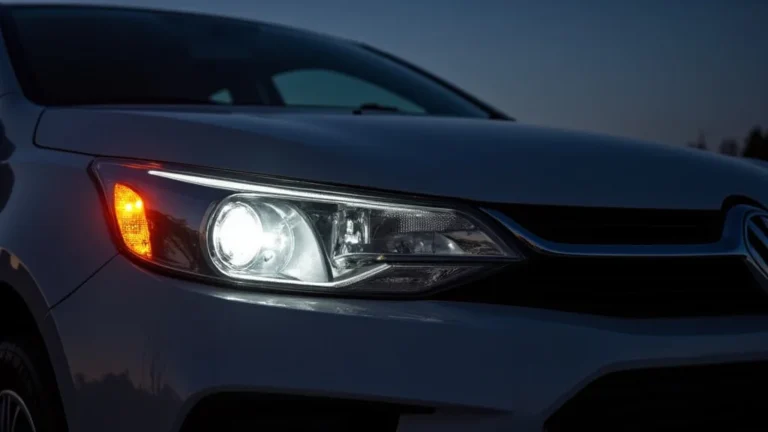
Driving can be tricky, and figuring out what’s allowed and what’s not can be tough, especially for new drivers. One question many people have is, is it illegal to drive without headlights at night? The short answer is yes, but we’ll get into the details to clear up any confusion. Don’t worry, it’s simpler than you might think. This guide will walk you through the rules and what to do, step by step, to stay safe and legal on the road. Let’s get started!
Driving Laws: Headlights and Nighttime Regulations
The rules about when and how to use headlights vary slightly by location, but the core idea remains the same: headlights are essential for safety when visibility is reduced. These rules are in place to keep drivers and pedestrians safe, preventing accidents that could happen if vehicles aren’t seen easily. Ignoring these laws can lead to fines and, more seriously, accidents. Let’s delve into how these rules are set and what they mean for your daily commute.
When to Turn on Your Headlights
The primary purpose of headlights is to make your vehicle visible to others, especially when it’s dark. But it’s not just about the exact time of night. Laws usually dictate when headlights must be used based on conditions rather than just the clock. Always remember your headlights are to help others see you on the road as much as they help you see the road.
-
Nighttime Driving: Most laws state headlights must be on from sunset to sunrise. Sunset and sunrise times vary, so check your local weather app or news for specific times.
This is the most obvious requirement. Once the sun dips below the horizon, headlights are mandatory. The goal is to make sure your vehicle is easily visible to other drivers, cyclists, and pedestrians. This is for the protection of everyone using the roads. Many vehicles now have automatic headlight features that can help to manage this.
-
Adverse Weather: Rain, snow, fog, and even heavy dust can dramatically reduce visibility. Headlights improve visibility in these conditions.
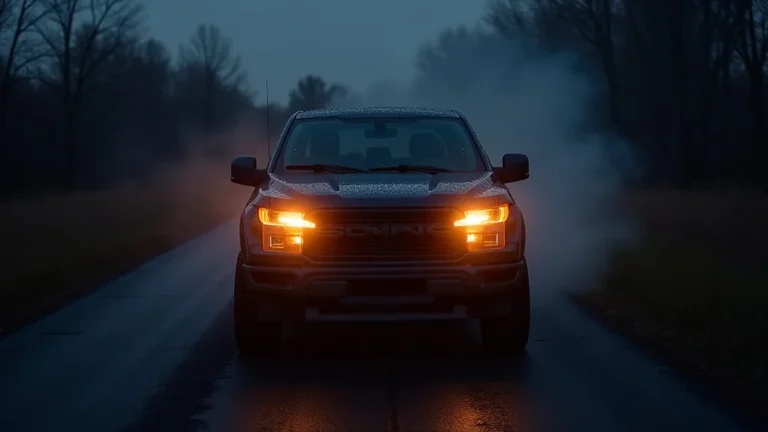
Even during daylight hours, if visibility is significantly reduced due to weather conditions like heavy rain or fog, headlights must be used. This helps other drivers see you. Fog lights are also useful in these conditions, but headlights must still be used in addition to fog lights.
-
Reduced Visibility Conditions: Even if it’s not nighttime or raining, if visibility is limited for any reason (smoke, smog), headlights are required.
This covers any situation where you can’t see clearly, which is important for safety. If visibility drops due to smoke from a wildfire or thick smog, turning on your headlights can make a big difference in preventing an accident.
Legal Consequences of Not Using Headlights
Failing to use headlights when required can result in legal penalties. These consequences vary, but they all serve as a reminder of the importance of driving safely and following traffic laws. It’s really about maintaining road safety for everyone.
-
Fines: The most common penalty is a fine. The amount depends on the local laws and the severity of the violation.
A fine is the typical consequence for not using headlights when required. The cost can vary, but it’s often a few hundred dollars. This is a simple reminder that the law exists for a reason, especially in the US where traffic laws are managed at a state level.
-
Points on Your Driving Record: Some jurisdictions will add points to your driving record, which can lead to license suspension or higher insurance rates.
Depending on where you are, you could receive points on your driving record, similar to other moving violations. Too many points over a specific time can lead to a license suspension. This has significant consequences in many jurisdictions, so it is a good idea to know the rules in your area.
-
Potential for Accidents: Driving without headlights at night or in poor visibility greatly increases your risk of causing or being involved in a car accident.
This is the most serious consequence of all. Without your headlights, it is much harder for other drivers to see you. This increases the chances of a collision, potentially causing injuries or even fatalities. You could also be found to be liable, and you’ll be dealing with legal and insurance claims.
Understanding Headlight Types and Functions
There are different types of headlights, each designed to improve visibility in various conditions. Knowing what each type does and how it works is useful for keeping yourself and others safe on the road. The technology has changed quite a bit in the last few years.
Different Headlight Technologies
Understanding the different headlight technologies can help you choose the best lighting options for your vehicle. Modern technology offers several types of headlights with different features and benefits, which can greatly improve your night driving.
-
Halogen Headlights: These are the most common and typically the most budget-friendly option.
Halogen headlights use a heated filament inside a bulb that emits light. They’re popular because they’re inexpensive and easily replaced. They produce a yellowish light, but the output is less effective in adverse conditions compared to newer technologies.
-
LED Headlights: LED (Light Emitting Diode) headlights are more energy-efficient and offer brighter, whiter light.
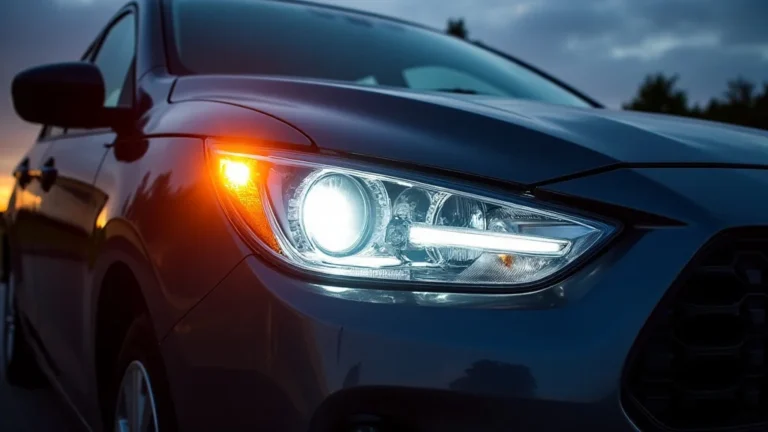
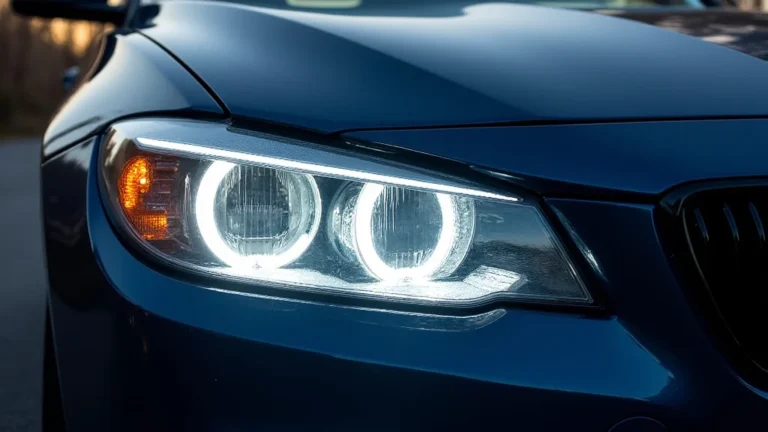
LED headlights use light-emitting diodes to generate light. They provide a brighter, more focused beam and consume less energy than halogen lights. LED headlights typically last longer and can offer improved visibility in the dark and in bad weather.
-
High-Intensity Discharge (HID) Headlights: HID headlights, or xenon headlights, offer very bright light.
HID headlights use an arc between two electrodes inside a bulb filled with gas. They produce a very bright, bluish-white light. The main advantage is that HID lights have a very powerful light output, although they are slowly being replaced by LED technology.
Headlight Beam Patterns
The design of headlight beams plays a huge part in how well the road ahead is illuminated and how well other drivers can see you. Beam patterns are engineered to maximize your visibility without blinding oncoming drivers. Different beam patterns are used in modern headlights.
-
Low Beams: These are used in normal driving conditions to illuminate the road ahead without blinding oncoming drivers.
Low beams are designed to focus on the road directly in front of your vehicle. The light is angled downwards to avoid shining into the eyes of drivers in oncoming cars. They are meant for use in populated areas or when there is another vehicle nearby.
-
High Beams: Used on open roads to provide a longer range of illumination. High beams should be used when there are no other vehicles nearby.
High beams cast a wider, more powerful beam of light that reaches further down the road. They are intended for use on dark, empty roads, and provide maximum visibility. You should dip your high beams when approaching another vehicle to avoid blinding the driver.
-
Fog Lights: Designed to cut through fog and improve visibility in adverse weather. Fog lights usually point down to illuminate the road close to your vehicle.
Fog lights are positioned low to the ground and are designed to direct light downwards. They help to illuminate the road below the fog line, which increases your visibility. They are especially helpful in foggy or misty conditions, as well as snow and heavy rain.
Common Driving Scenarios and Headlight Use
Knowing how to use your headlights in different situations is just as important as knowing the rules. Here are a few common driving scenarios and how to respond.
Scenario 1: Driving on a Dark Road at Night
On a dark, unlit road at night, the proper use of headlights is crucial for safety. Poor visibility can be a major factor in causing accidents. The right lighting strategy ensures both the driver’s ability to see and that others on the road can see your vehicle.
-
Initial Setup:
Ensure your headlights are turned on. Use low beams when there are oncoming vehicles and switch to high beams when there are no other vehicles approaching. Regularly check to make sure all lights are working.
-
Approaching Another Vehicle:
When you see another car, switch from high beams to low beams to avoid blinding the other driver. Wait until the vehicle has passed before switching back to high beams.
-
Using High Beams Safely:
On open, dark roads where there are no other cars or pedestrians, use your high beams to maximize your visibility. Make sure to turn them off promptly when you approach another vehicle or pedestrian.
Scenario 2: Driving in Heavy Rain
Driving in heavy rain significantly reduces visibility. It’s really easy to underestimate how quickly your vision can be impacted. Correct headlight usage is absolutely essential for safe driving in these conditions. Here’s a guide to keep you safe.
-
Immediate Action:
Turn on your headlights. The use of headlights is essential for increasing your visibility to other drivers, even during the day. This helps them see you more easily, and therefore reduces the risk of an accident. Be sure to turn on your windshield wipers.
-
Reduce Speed:
Lower your speed to match the road conditions. Driving slower gives you more time to react to any unexpected events, such as a sudden stop or a change in lane.
-
Using Fog Lights:
If your vehicle is fitted with fog lights, turn them on to improve visibility. They are designed to cut through the rain. Be sure to turn your high beams off, as they can reduce your visibility by reflecting off the raindrops.
Scenario 3: Driving in Foggy Conditions
Fog can significantly limit visibility, making it difficult to see ahead. Correct headlight usage is essential to improve both your ability to see the road and for other drivers to see you. Fog presents unique challenges. The right approach is vital.
-
Headlight Usage:
Turn on your headlights. Low beams are best, as high beams can reflect off the fog and reduce visibility. Ensure your rear fog lights are on. These can alert drivers behind you to your presence.
-
Reduce Speed:
Reduce your speed to a pace at which you can safely stop within the distance you can see. Drive slowly and steadily, staying aware of the road conditions. Be careful when changing lanes.
-
Use Fog Lights:
If your vehicle has fog lights, use them. They are designed to cut through the fog and improve visibility. Drive in your lane and pay attention to road markings and other vehicles.
Tips for Safe Night Driving
Safe night driving involves more than just knowing when to turn on your headlights. It requires a combination of good driving habits and awareness of your surroundings. These tips will help you stay safe when driving at night.
Improving Your Night Vision
Optimizing your vision is key to safe night driving. Your eyes do not work as well at night. There are several things you can do to get ready and improve your vision when driving at night.
-
Get Regular Eye Checkups:
Regular checkups are important. Make sure you have current glasses or contacts. Eye diseases can worsen your night vision, so getting your eyes checked regularly is key to spotting these issues early.
-
Clean Your Windshield and Headlights:
Dirty windshields and headlights can scatter light and reduce visibility. Clean your windshield inside and out to minimize glare. Keep your headlights clean to ensure they are providing maximum light output.
-
Avoid Looking Directly at Oncoming Headlights:
When an oncoming car’s headlights approach, avoid looking directly at them. Instead, shift your gaze towards the right edge of the road to reduce the glare. This will help your eyes adjust more quickly.
Adjusting Your Driving Behavior
Your driving behavior should be adapted for driving at night. Some strategies help you to drive more safely. Adapting to the conditions is a good practice for any time of the day.
-
Reduce Your Speed:
Driving slower gives you more time to react to potential hazards. Reduce your speed, especially on unfamiliar roads or in areas with poor lighting. The ability to see is much more limited at night, so adjust your driving accordingly.
-
Increase Your Following Distance:
Increase the space between your car and the vehicle in front of you. This gives you more reaction time and room to maneuver if the vehicle ahead suddenly brakes or changes lanes. A longer following distance gives you a safety cushion.
-
Be Extra Cautious:
Be vigilant for pedestrians, cyclists, and animals. Nighttime means a higher chance of encountering these unexpected situations. Stay very aware of your surroundings, and pay special attention to areas with increased pedestrian traffic or where animals may cross the road.
Vehicle Maintenance and Preparation
Preparing your car before driving at night can make a huge difference in your safety. Taking care of your car’s systems is useful.
-
Check Your Headlights, Taillights, and Brake Lights:
Make sure all your lights are working properly. Replace any burnt-out bulbs immediately. Have your lights regularly inspected as a part of your maintenance.
-
Ensure Your Windshield Wipers Are in Good Condition:
Good visibility is key. Replace worn wipers to ensure clear visibility in rain or snow. Worn wipers won’t clear the windshield effectively, which can dramatically affect your vision.
-
Adjust Your Interior Dimming:
Dim the dashboard lights and any interior lights. This will reduce reflections on your windshield and help your eyes adjust to the darkness outside.
Frequently Asked Questions
Question: Is it ever okay to drive without headlights at night?
Answer: No, it is almost always illegal and unsafe to drive without headlights at night or in conditions that reduce visibility.
Question: What happens if I forget to turn on my headlights at night?
Answer: You could receive a fine, points on your driving record, and increase your risk of an accident.
Question: Do I need to use headlights in fog, even during the day?
Answer: Yes, if visibility is significantly reduced due to fog, you should turn on your headlights, even during the day.
Question: What is the difference between low beams and high beams?
Answer: Low beams are designed for general driving, while high beams are for open roads with no other cars, providing a longer range of illumination.
Question: Are there any exceptions to headlight use at night?
Answer: No, the only real exception is if your headlights are damaged and non-functional, in which case you should not drive until you can get the lights fixed or replaced.
Final Thoughts
The rules around is it illegal to drive without headlights at night are pretty straightforward, and now you understand why it’s so important to follow them. Headlights are essential for safe driving, making sure other drivers can see you, especially when visibility is poor. Knowing when to turn on your lights, the different types of lights, and how to adjust your driving helps keep you and everyone else safe on the road. Remember to always check your lights, be aware of the conditions, and adapt your driving accordingly. Drive safely and keep those headlights shining!