Is Headlight Tint Legal? A Guide for Drivers Everywhere
Figuring out if is headlight tint legal is something many drivers want to know. It can be tricky because laws are different everywhere. Some places allow it, while others have strict rules. Don’t worry, though! We’re here to help you get the facts. This article will break down everything you need to know, step by step, so you can be sure you’re following the rules. Let’s explore how headlight tint works and how to stay safe and legal on the road.
What Headlight Tint Is and How It Works
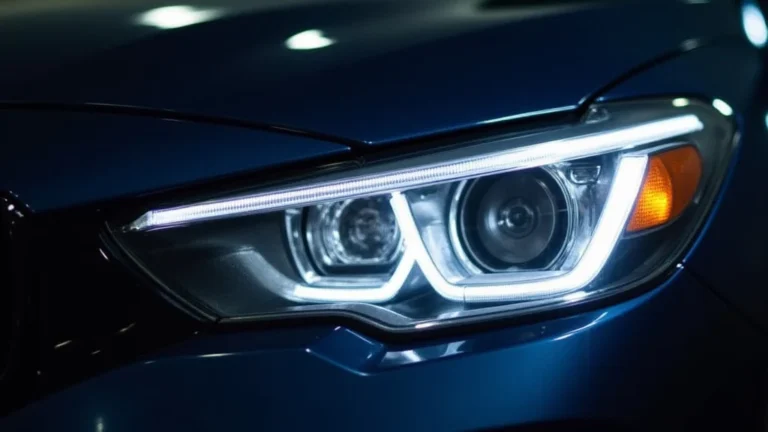
Headlight tint involves applying a film or coating to the lens of your car’s headlights. This tint can change the look of your headlights, often giving them a darker or more colored appearance. It’s important to know the different kinds of tints available, from simple films to more complex coatings, and how they change light output. The goal is usually aesthetic—making the car look cooler—but sometimes people might think it helps with glare.
Types of Headlight Tint Films
There are many types of headlight tints out there. Let’s look at a few common ones:
- Vinyl Film. Vinyl film is a popular choice for headlight tinting. It’s cost-effective and easy to apply, making it a favorite for beginners. It comes in various shades, from light smoke to dark black. These films are usually flexible and can be shaped to fit the curves of your headlights.
- Polyurethane Film. Polyurethane films are more durable than vinyl. They’re often used for protecting headlights from scratches and rock chips, but they can also be tinted. Polyurethane films can last longer and are more resistant to damage from the elements.
- Spray-On Tint. Spray-on tints are applied directly to the headlight lens. This can be a more permanent option, so it is often for experienced users. It’s crucial to apply the tint evenly to avoid an uneven look.
The main job of vinyl film is to change the way light looks without affecting the light’s power. It can affect how well other drivers can see your headlights, especially at night or in bad weather.
Polyurethane films are a great option if you are aiming for good looks and added protection. They’re designed to be strong, meaning the tint should last a long time. They’re often slightly more expensive, but worth it for the longer lifespan and extra defense.
If you’re using spray-on tint, it’s very important to prepare the headlights properly. This means cleaning the surface and protecting the surrounding areas of your car. This ensures a smooth and professional finish.
The Impact of Tint on Light Output
Tinting your headlights can change how much light they put out. The more tint, the less light. This can impact how well you can see at night and how other drivers see you. It’s a key part of why is headlight tint legal matters.
- Reduced Visibility. Darker tints decrease the amount of light that passes through your headlights. This reduction makes it harder to see, especially in low-light conditions like night, rain, or fog. Reduced visibility can increase the chance of accidents.
- Glare and Reflection. Some tints might increase glare. This can make it hard for other drivers to see your car. It can also cause problems for you by reflecting light back into your eyes, making it harder to drive safely.
- Light Color Alteration. Some tints change the color of the light. Changing the color of your headlights can make it hard for others to see your car. This can be especially dangerous when dealing with colored tints, which can make it hard for other drivers to tell what kind of car it is.
A simple test you can do is to compare the light output before and after applying the tint. It’s often easy to see a difference with even a light tint.
When choosing a tint, consider how much light it allows to pass through. The lower the percentage, the darker the tint. Check the legal requirements in your area to stay safe and avoid fines.
Legal restrictions often restrict the color of your headlights. Be sure the color of your tint is legal in your region. Check the regulations to avoid any issues.
Legal Considerations: Laws About Headlight Tint
The rules around headlight tinting change from place to place. Some areas have clear laws, while others are vague. You need to know your local laws to avoid trouble. This section will cover what to watch out for and how to stay on the right side of the law when exploring is headlight tint legal.
State and Local Regulations
The rules on headlight tint vary greatly. Each state has its own laws, and sometimes local areas have even stricter rules. You have to learn the specific rules for where you drive. Checking state and local rules is the first step.
- State Laws. In many states, there are laws about the color and brightness of headlights. You can find these rules in the state’s vehicle code or traffic laws. These laws usually set the limits on how dark the tint can be.
- Local Ordinances. Cities and towns can have their own rules. These can sometimes be stricter than state laws. Check your local laws, especially if you live in a city or a town, to find out if there are any special rules for your area.
- Enforcement Practices. Law enforcement officers enforce these laws. If your headlights don’t meet the requirements, you could get a ticket. The police might inspect your vehicle during routine stops or safety checks.
Some states set specific limits on how much tint you can use. Some may allow a light tint, while others may forbid any tint at all. Others specify the acceptable colors.
These local rules might target how the tint affects light output and visibility. They aim to make sure drivers can see well enough to avoid accidents.
Violating these laws can lead to fines, and in some cases, you might be required to remove the tint or fix your headlights.
Key Elements of Legal Compliance
To stay within the law, keep these key things in mind. They focus on visibility and safety, ensuring your headlights don’t cause problems for you or other drivers. These are what you must understand when figuring out is headlight tint legal.
- Light Transmission Percentage. Many laws state a minimum percentage of light transmission. This means your headlights must let a specific amount of light pass through. The tint shouldn’t block too much light. This can be checked with a light meter.
- Color Restrictions. Most places have rules about the color of your headlights. Common headlight colors are white or yellowish-white. Tinting your headlights with other colors like blue, red, or green is usually not allowed.
- Visibility at Night. Laws prioritize visibility at night. Your headlights must be bright enough for you to see the road and for other drivers to see you. Tinting your headlights can reduce visibility.
The rules often set a minimum percentage, like 70% or 80%. This means the tint can’t block more than a set amount of light. Always know these numbers.
Colored tints can make it difficult for other drivers to see you clearly. This can cause dangerous situations on the road. Always check the rules.
The level of tint you use greatly affects how well you can see at night. This can lead to accidents. Make sure your headlights let enough light through.
Penalties for Illegal Tint
If your headlight tint breaks the law, you could face several penalties. Understanding these punishments helps you make smart choices. It can save you both money and trouble. These are important for anyone considering if is headlight tint legal.
- Fines. The most common penalty is a fine. The amount can change based on the state or local laws. The fine is a monetary penalty for breaking traffic rules.
- Vehicle Inspections. If you’re caught with illegal tint, you might need to get your car inspected. This is to make sure your headlights are up to legal standards. You must fix the problem before your car passes the inspection.
- Mandatory Removal. You might be forced to remove the tint. You must remove the illegal tint and make your headlights legal. You could get another inspection after removal to confirm compliance.
Fines can vary. Some might be small, and some could be higher, especially if it’s a repeated problem. Check what the local penalties are to avoid a costly surprise.
Inspections check how well your headlights work and if they meet legal requirements. This can include checking the light output and the tint’s darkness.
This penalty means you must return your headlights to their legal state. It can be a hassle and might require professional help, depending on the tint type.
Safety Considerations: The Real Risks of Tinting
While headlight tint might look cool, it can also create some risks. It’s important to weigh these safety concerns carefully. Remember, the goal of headlights is to light up the road for you and to let others see you. To really explore is headlight tint legal, you have to think about safety.
Reduced Visibility and Night Driving
Tinted headlights can make it tougher to see at night. This reduced visibility can be a major safety hazard, raising the risk of accidents. Let’s look at why it’s so risky.
- Diminished Light Output. Tinted headlights cut down the amount of light they send out. This means less light is reaching the road, making it harder to see obstacles, pedestrians, or other cars. This problem is worse in dark settings.
- Difficulty in Spotting Hazards. With less light, it’s harder to spot things like animals, potholes, or people. This reduces your reaction time, which can lead to collisions. You need as much light as possible to see dangers.
- Compromised Reaction Time. Reduced visibility lengthens the time it takes to react to unexpected events. Even a split-second delay can make a huge difference in avoiding an accident. You need to see far enough to have time to react.
The lower the light output, the less time you have to respond to potential dangers. This is a problem when driving on poorly lit roads, in fog, or in rain.
In certain weather like rain or fog, visibility reduces even further. This makes it crucial to have effective headlights. Tinted headlights reduce their performance, which endangers everyone.
The faster you react, the better your chances of staying safe. Dim headlights can significantly cut down that time. Make sure your headlights support your reaction time.
Impact on Other Drivers
Your headlights not only affect your safety but also the safety of other drivers. Poorly tinted headlights can create issues for everyone on the road. Let’s examine how this happens.
- Increased Glare. Certain tints can increase glare, which makes it harder for oncoming drivers to see. Glare happens when bright light reflects off surfaces, creating a blinding effect. This can lead to dangerous situations.
- Reduced Visibility for Other Drivers. Darker tints decrease the amount of light other drivers can see from your car. This makes it harder for them to judge your speed, distance, or the direction you’re traveling, and they can’t react quickly if your car’s not obvious.
- Difficulty in Identifying Your Vehicle. Tinted headlights may cause it to be difficult for other drivers to identify your car. This is especially true if you are using colored tints. It can be hard to tell what kind of car it is.
Glare can cause temporary blindness, making it hard for other drivers to stay in their lanes or notice hazards. It’s important to make sure your headlights do not add to this problem.
Other drivers depend on being able to see your car. This is why headlights are so important. Always ensure your headlights are visible.
Properly identified vehicles help other drivers predict behavior. Always ensure the tint doesn’t make your car difficult to see or understand.
Weather-Related Risks
Weather conditions significantly impact visibility. Rain, fog, and snow can make it hard to see, and tinted headlights can make things worse. This shows why thinking through is headlight tint legal is so important.
- Fog and Reduced Visibility. Fog scatters light, making it tough to see clearly. Tinted headlights lower the brightness, making it even worse. The reduced light output in fog reduces the distance you can see.
- Rain and Water Reflection. Rain makes the roads wet, reflecting light. Tinted headlights can decrease the ability of your lights to pierce through the rain, reducing how far you can see. This increases the danger of accidents.
- Snow and Brightness Needs. Snow also reduces visibility. During snowfall, you need bright headlights to see and be seen. Tinted headlights can fail to light up your path, making it hard to see.
In foggy conditions, the light must be bright enough to cut through the fog. Tinting your headlights can negate their effectiveness, making it harder for you to see.
Wet roads reduce how well you can see. When paired with tinted headlights, it severely decreases visibility. Always ensure your headlights work well in wet conditions.
Snow can reflect headlights back, adding to the need for clear lights. When you decrease light, you increase the risk on snowy roads. Always prepare for snow by having effective headlights.
How to Make Smart Choices Regarding Headlight Tint
When thinking about headlight tint, you have options that can help keep you safe. You can make smart decisions to ensure your lights perform well and comply with the law. This area focuses on smart choices around is headlight tint legal.
Assess Your Local Legal Requirements
The first step in your headlight tint decision is knowing the rules in your area. This will help you choose what is legal and safe. Here’s what you should do:
- Check State and Local Laws. Go online to your state’s DMV website or check your local government’s website. Search for vehicle codes or traffic regulations. This information lists the specific rules for headlight tint, like allowed colors and light transmission percentages.
- Confirm Enforcement Practices. Understand how local law enforcement usually handles headlight tint violations. Does the police usually ticket for any tint violation, or are they more lenient on slight infractions? This might affect your choice.
- Consult Professionals. Speak with auto shops that tint headlights. They can give you guidance based on your local regulations. They can also ensure that the tinting work is done correctly.
Take the time to thoroughly review these laws. This ensures you comply with the law and understand any restrictions. Knowing the rules first avoids trouble later.
Knowing this will help you weigh the risk of getting a ticket. This also helps when choosing how dark you want the tint.
These experts can give you tips. They can also explain what’s safe and legal in your area.
Choosing the Right Tint
Choosing the right tint involves balancing the look you want with safety and legality. Here’s how to make that decision:
- Consider the Light Transmission Percentage. When choosing a tint, pay close attention to the light transmission percentage. Pick a tint that permits the minimum amount of light, which is always specified by the law. You must not reduce the visibility.
- Opt for Clear or Light Tints. If you’re unsure about the law or want to stay safe, select a clear or light tint. They have a subtle visual effect while ensuring that the headlight output remains sufficient for visibility. Light tints often have the best balance.
- Avoid Colored Tints. Stay away from colored tints. They’re often restricted by law. Colored tints can change the light’s appearance, which makes it harder for other drivers to judge your car.
Higher percentages let more light pass through, making them safer, especially for night driving. Choose a safe percentage that is still stylish.
Clear or light tints ensure good visibility. They are the best choice if you’re concerned about safety and staying within the law.
Colored tints often cause confusion, which reduces your safety on the road. The law generally frowns on these, so staying clear is the safest path.
Professional Installation vs. DIY
You can choose to install the tint yourself or hire a professional. Each method has benefits and drawbacks. Consider these things when deciding if is headlight tint legal for you.
- Professional Installation. Professional installation ensures that the tint is applied correctly. Professionals have the tools and experience to guarantee a perfect finish. Their installation is usually high quality.
- DIY Installation. DIY installation is a lower-cost option if you want to save money. However, DIY can be difficult, and you could make mistakes if you are not experienced. Careful preparation is critical for a good result.
- Quality of Materials. Whether you choose DIY or professional, be sure to use high-quality tint materials. Better materials have better clarity and longevity. Low-quality films may decrease visibility.
Professionals have the knowledge of applying the tint correctly. It can save you time and provide a longer-lasting result. This avoids errors or issues that might lead to legal problems.
Doing it yourself can be a good choice if you’re careful, but it needs time and precision. Check videos, and get tips before starting. Be sure you have a safe and legal outcome.
Quality materials often mean the best results. They improve both the look and function of the headlights. This makes sure that your car is safe and legal.
Frequently Asked Questions
Question: Can I tint my headlights any color I want?
Answer: Usually, no. Most places restrict colored tints to white or yellowish-white. Other colors like blue, red, or green are often illegal because they can confuse other drivers.
Question: What happens if my headlight tint is too dark?
Answer: You might get a ticket, be required to remove the tint, and face a fine. You may also need to get your car inspected to verify you’ve fixed the problem.
Question: Is it legal to tint my headlights if I only tint them a little?
Answer: That depends on local laws. Even a small amount of tint can break the law if it reduces light transmission below the legal limit. Check your local rules for specifics.
Question: How do I know the light transmission percentage of my headlight tint?
Answer: The light transmission percentage will be listed on the product packaging. You can also have a professional measure the light transmission after the tint is applied.
Question: Where can I get my headlights tinted?
Answer: You can get your headlights tinted at most auto body shops or specialized tinting shops. Be sure to find a reputable shop and know the local laws.
Final Thoughts
Understanding is headlight tint legal is key to driving safely and legally. Headlight tint can affect visibility, both for you and other drivers. The rules on headlight tint vary greatly, so always find out what is allowed in your area. Knowing your local laws, picking the right tint, and considering the safety risks will help you make a smart decision. It’s best to always prioritize safety when modifying your car. Choose a tint that follows the law and allows enough light to pass through. By keeping safety at the forefront and staying within the legal requirements, you can drive with confidence, knowing you’re doing your part to protect yourself and others on the road.