Are LED Headlights Legal in Texas? A Guide for Drivers
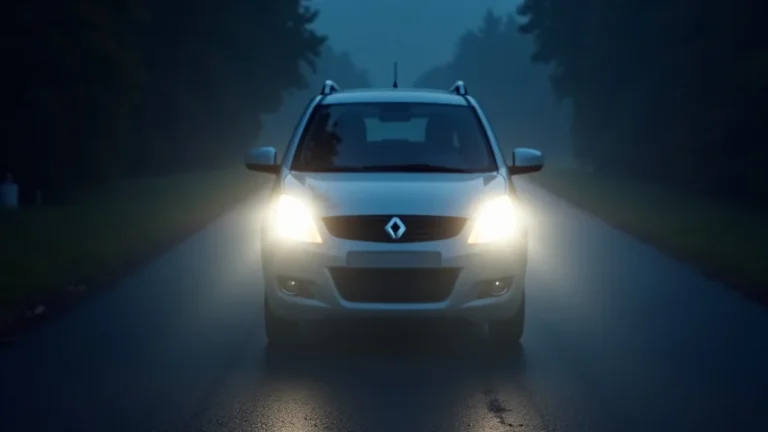
Picture this: you’re cruising down a Texas highway late at night, and you notice your headlights aren’t quite cutting through the darkness. You’ve been thinking about upgrading to brighter, more efficient LED headlights, but a nagging question pops into your head: are LED headlights legal in Texas? Many drivers wonder if they can simply swap out their old bulbs for these modern upgrades without running afoul of the law. This guide will provide you with a clear and concise answer to this question. You will learn about the regulations and what to keep in mind, so you can make an informed decision and upgrade your vehicle safely. This information will help you steer clear of potential legal issues and ensure your vehicle complies with Texas law, improving your vehicle’s safety features.
Texas Vehicle Lighting Regulations Overview
Texas, like other states, has specific laws that govern vehicle lighting. These laws are in place to ensure road safety by promoting visibility for all drivers. These regulations cover a broad spectrum of lighting, including headlights, taillights, brake lights, and turn signals. They dictate what types of lights are permitted, their color, intensity, and positioning on a vehicle. The primary focus of these regulations is to prevent glare, ensure adequate illumination, and maintain consistency in how vehicles are seen and signaled by other drivers. These standards are constantly updated to account for new technologies and address evolving safety concerns on the road. The details are spread out through the Texas Transportation Code, which is the governing body for vehicle laws.
Key Lighting Standards in Texas
The Texas Transportation Code outlines the specifications for vehicle lighting equipment. The code covers everything from the brightness levels of lights to their color and how they must be installed. This includes standards for headlights, which are a major focal point in terms of safety. Headlights must be white or amber in color, and must be able to properly illuminate the roadway without causing excessive glare for other drivers. It is the owner’s responsibility to make sure the vehicle meets these regulations at all times. Failure to comply can result in warnings or citations, so it’s vital that drivers know what is permitted.
- Headlight Color: Headlights must emit white or amber light. Blue, red, or any other non-approved colors are illegal.
- Brightness and Glare: Lights must not produce excessive glare that could impair other drivers.
- Placement: Headlights must be properly positioned on the vehicle according to the manufacturer’s specifications and Texas regulations.
- Legal Compliance: All lighting equipment, including headlights, must meet the standards set by the Department of Public Safety.
This is a fundamental rule, and the color of your headlights is instantly visible to other drivers and law enforcement. Using illegal colors can not only lead to a ticket, but can make it harder for other drivers to see you clearly, particularly at night. Colors other than white or amber are often associated with emergency vehicles, or are known to cause issues with visibility for other motorists. Adhering to these color standards is important for both your safety and that of others on the road.
This is related to the intensity and direction of the light beam. Extremely bright lights, or lights that are not properly aimed, can be dangerous. They can temporarily blind oncoming drivers, causing potentially dangerous situations. The goal is to maximize visibility for the driver of the vehicle, while minimizing hazards for everyone else. Proper headlight aiming and the use of approved headlight technology is critical. This helps prevent glare and maintains road safety.
Headlights that are mounted too high, too low, or in non-standard locations can lead to visibility issues. Correct placement assures that the light shines in a way that provides adequate illumination without interfering with other road users. This also applies to the use of aftermarket lighting accessories. Any added lights must be carefully installed to avoid violations.
This includes ensuring that any aftermarket components, such as LED headlights, are compliant with regulations. This also involves getting lights that carry a DOT (Department of Transportation) approval. Compliance assures the lights are produced to a quality standard, and are safe for use on public roads. Staying updated with any changes in vehicle equipment regulations is helpful.
Are LED Headlights Approved in Texas?
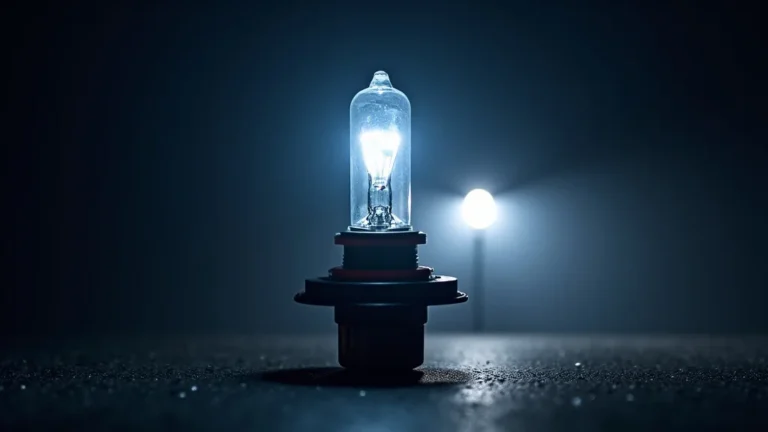
The short answer is yes, are LED headlights legal in Texas, but with important qualifiers. The legality of using LED headlights hinges on several factors, including the design, installation, and performance of the lights. It’s not a simple case of replacing your old bulbs with LEDs and being good to go. It involves making sure that the replacement lights meet all the required standards for road usage. Simply swapping the bulbs might not always meet these criteria. This section outlines all the factors you need to consider before upgrading to LED headlights.
Factors Affecting LED Headlight Legality
Several factors affect whether LED headlights are legal in Texas. These factors are mainly related to ensuring that the lights enhance visibility without endangering other drivers. The key points are proper design and installation, and adherence to the guidelines established by state law. It is important to know about these points, so you can make informed decisions. Also, this knowledge will help you make sure your vehicle is compliant with all of the relevant regulations. These considerations assist in promoting road safety.
- DOT Compliance: Ensure any LED headlight kit you purchase has a DOT (Department of Transportation) approval.
- Light Beam Pattern: The LED headlights must produce a correct beam pattern to illuminate the road properly.
- Color Temperature: Choose LED headlights with a color temperature that is legal in Texas.
- Proper Installation: LED headlights must be installed correctly.
DOT approval means the lights have gone through testing and meet federal safety standards. This certification is a good indicator that the headlights are designed to perform safely and effectively. Using DOT-approved lights minimizes the risk of glare and assures that the light pattern meets safety standards. You can usually find the DOT mark imprinted on the headlight lens or packaging. Choosing DOT-approved products is a crucial step.
A correct beam pattern means the lights are designed to focus the light where it’s needed most – on the road ahead, and not into the eyes of oncoming drivers. Improper beam patterns can cause glare and reduce visibility for other drivers. The light pattern should be tested after installation to ensure correct alignment and performance. The aim is to achieve the best balance of visibility for the driver and minimal disruption for other road users.
Color temperature is measured in Kelvin (K), and it refers to the color of the light emitted. The light should be white or amber, as previously mentioned. Headlights that have a very high color temperature (e.g., blue or purple) are typically illegal, as they may impair the vision of other drivers and can also attract the attention of law enforcement. Aim for LED headlights that offer a bright, clear, and legal light color for road safety.
Incorrect installation is a major cause of illegal use. It can lead to poor light performance, and cause glare. Always follow the manufacturer’s instructions for the headlights and the vehicle’s specific requirements. Improper installation can be a source of potential violations, so make certain the lights are securely installed. Consider professional installation if you are unsure about the steps involved. Proper installation is necessary for ensuring your LED headlights function legally and safely.
Aftermarket LED Headlight Considerations
The aftermarket world for LED headlights provides many choices for vehicle owners. However, it’s essential to carefully evaluate any aftermarket options to be certain they meet Texas regulations. These products can vary in quality, design, and compliance, so making the right decision is crucial. Taking your time to research and understand these factors can help avoid legal problems and assure that your lighting upgrade is a safe and beneficial improvement to your vehicle. Many options are available for drivers, so it’s critical to know what to look for when making purchases.
Selecting Safe and Legal LED Headlights
Choosing the right LED headlights involves more than just selecting a product with a high lumen output. It is important to consider factors like beam pattern, construction, and compliance with regulations. This section guides you through the criteria to follow when making a choice. By paying attention to these aspects, you can safely select headlights that will improve your driving experience and remain in line with state laws. Always do your homework when it comes to vehicle modifications.
- Research Brands and Products: Research LED headlight brands.
- Check for DOT Certification: Always look for a DOT seal or mark on the product.
- Consider the Beam Pattern: Evaluate the beam pattern of the LED headlights.
- Installation Instructions: Follow all installation instructions carefully.
Not all brands are created equally. Read reviews, and check for brand reliability and quality. Look for brands that have a solid reputation for offering DOT-approved products. Consider the type of reviews (e.g., from car enthusiasts) and see what they have to say. Good research ensures you get a quality product that will perform well and meet safety standards. Spend time comparing different products and brands before making a decision.
This is your most reliable way to confirm that the headlights meet federal safety standards. Without this certification, you can’t be sure that the headlights meet the requirements for road use. The DOT certification ensures that your headlights have been tested for things like light output, beam pattern, and glare. This is a crucial element when selecting aftermarket lighting upgrades.
The beam pattern is how the light is distributed on the road. The best LED headlights will have a beam pattern that is designed to maximize visibility without causing excessive glare. Make sure that the light is focused on the road ahead and does not spread upward into oncoming traffic. Many manufacturers will provide diagrams or videos showing the beam pattern. If you’re unsure, seek advice from professionals who can assist you in finding the right beam pattern.
Improper installation is a major cause of headlight issues, including glare. Carefully follow the manufacturer’s instructions for alignment. Seek assistance from a professional if you’re unsure about installation. Professional installation assures the headlights are properly positioned and aimed. This is important for optimal performance and helps maintain compliance with state regulations.
Common Mistakes to Avoid
When upgrading to LED headlights, drivers can easily make mistakes that can result in legal complications. These mistakes often involve not understanding the regulations. It can also involve a lack of attention to detail during the purchase and installation process. Knowing about these common errors will help drivers avoid them, so they can keep their vehicles legal and safe. By avoiding these common errors, drivers can enjoy the benefits of LED headlights without any concerns.
Pitfalls to Avoid During the Upgrade
To ensure a smooth transition to LED headlights, it is helpful to be aware of the pitfalls. Avoiding these common mistakes can save you from unnecessary hassle, legal issues, or poor lighting performance. Knowing these problems helps you to take a better approach. It also helps to prevent common issues that can compromise the safety and functionality of your vehicle. Staying informed helps assure you are safe and that you follow all legal requirements.
- Purchasing Non-DOT Approved Headlights: Do not purchase headlights without DOT approval.
- Improper Installation: Avoid improper installation practices.
- Ignoring Color Temperature: Don’t ignore the color temperature of the LED headlights.
- Overlooking Aiming and Adjustment: After installation, it’s necessary to aim and adjust the headlights.
This is one of the most common and easily avoided mistakes. Non-DOT approved headlights may not meet the safety standards for visibility and glare. You should only buy headlights that are certified. It’s an easy step to check and can keep you from fines, as well as ensure the safety of your lights. This is a key step when choosing any aftermarket lighting product.
Incorrect installation can affect the beam pattern. It can also cause glare and potentially lead to legal issues. Always consult the manufacturer’s instructions. If you’re not comfortable with the installation process, consider getting professional help. Proper installation assures that the headlights function safely and efficiently.
Choosing headlights with an illegal color temperature, like blue or purple, can get you into trouble. Stick to white or amber lights. These colors are legal and offer the best visibility. Using correct colors prevents problems with law enforcement and assures your lights are compliant. The color temperature will affect the lights’ legality.
Many people fail to make this step, which is important. This is one of the most critical steps to ensuring that the beam pattern is correct and that the lights are properly aimed. Failing to aim the lights can cause glare and poor visibility. Correct aiming and adjustment will maximize their effectiveness and enhance safety for all road users. Always follow the manufacturer’s instructions for these adjustments.
Practical Scenarios: LED Headlights in Texas
Consider these scenarios to get a better grasp of how LED headlight regulations apply in Texas. These real-life situations will give you practical insight into what is acceptable. This will also give you an idea of the possible outcomes if you do not follow the relevant laws. This will help you make well-informed decisions, so your vehicle lighting upgrades remain compliant and safe on Texas roads. The scenarios will give you a better grasp of vehicle modifications.
- Scenario 1: You bought an LED headlight kit online. You install the lights without checking for a DOT approval. During a routine traffic stop, a police officer notices that your headlights appear excessively bright and blue. You are issued a citation for non-compliance with Texas vehicle lighting regulations.
- Scenario 2: You install DOT-approved LED headlights, but during the installation process, you don’t properly aim the lights. The headlights shine directly into the eyes of oncoming drivers. After receiving complaints from other drivers, and a warning from law enforcement, you have to get the lights professionally adjusted to correct the beam pattern.
This situation shows the importance of buying DOT-approved lights and following color standards. Failure to do so can result in penalties and legal consequences. Make sure you check the lighting equipment before you start the project. This will keep you from fines and other legal issues.
This scenario underscores the importance of correct installation. Even if the lights are DOT-approved, if they are not correctly aimed, you might get a violation. Proper installation and adjustment assures that the headlights work safely.
Legal Consequences of Illegal Headlights
Using illegal headlights in Texas can result in several legal consequences. These consequences, from warnings to fines, underscore the need to know the state’s vehicle lighting regulations. Ignorance of the law is not a defense, so it’s critical to be informed. Making sure that your vehicle meets all the safety and legal requirements can save you problems. This section will look at the penalties.
Penalties and Enforcement in Texas
Violating Texas lighting laws can lead to various penalties. Law enforcement officers have the authority to pull over vehicles that violate these rules. The penalties reflect the importance of maintaining safe roads. Knowing the possible consequences will motivate drivers to make sure that their vehicles meet all necessary standards. It will also assist you in making decisions about vehicle lighting upgrades.
- Warnings: Often, a first offense for minor violations, such as slightly misaligned headlights, can result in a warning.
- Fines: For more serious violations, such as using headlights of an illegal color or brightness, a fine may be issued.
- Vehicle Inspection Failures: A vehicle with illegal headlights will fail a Texas state vehicle inspection.
- Potential for Further Penalties: Depending on the violation, other penalties may include court appearances or suspension of driving privileges.
A warning gives the driver the chance to fix the issue. Warnings are a way to give people a chance to fix their vehicles before any penalties occur. Usually, the officer explains what’s wrong. It also details what needs to be fixed. It’s an opportunity to learn about the law and make your vehicle compliant.
Fines vary depending on the nature of the violation. These fines are meant to be a financial incentive to stay compliant with state laws. The officer will provide a ticket, and detail the violation and the amount of the fine. Make certain you understand the reason for the fine, so you can correct the issue.
This means the vehicle cannot be legally driven until the lights are fixed. This is to make sure that vehicles are safe to use on public roads. You’ll need to repair the issue to be able to pass inspection. Getting the vehicle inspection done will help assure that you meet all safety requirements. You will be able to drive the vehicle once the violations are fixed.
More serious violations, such as lights that are extremely bright or dangerous, may involve more serious legal actions. Failure to comply can be expensive. Always address any issues with your vehicle in a timely manner. Compliance with all regulations is the best way to avoid these severe penalties.
Frequently Asked Questions
Question: Are all LED headlight kits legal in Texas?
Answer: No, not all LED headlight kits are legal. You must verify that the kit has DOT approval and meets all Texas lighting regulations.
Question: What color headlights are legal in Texas?
Answer: Headlights must emit white or amber light. Other colors, such as blue, red, or green, are generally illegal.
Question: What is DOT approval, and why is it important?
Answer: DOT approval means the headlights meet federal safety standards. It’s a key indicator of quality and safe performance.
Question: What are the main factors to consider when purchasing LED headlights?
Answer: Consider DOT certification, the beam pattern, color temperature, and proper installation instructions.
Question: What should I do if my LED headlights are causing glare?
Answer: You should get your headlights professionally aimed and adjusted, or consider switching to a different product.
Final Thoughts
The answer to are LED headlights legal in Texas boils down to compliance and safety. You can legally install LED headlights in your vehicle. However, the legality depends on several factors, including DOT compliance, the beam pattern, color temperature, and proper installation. It is crucial to research your options carefully. Select headlights that meet all state regulations and adhere to the guidelines set forth in the Texas Transportation Code. Before purchasing an LED headlight kit, always verify that it has DOT approval to ensure it meets federal safety standards. When you install the headlights, make certain you follow all manufacturer instructions for alignment. Should you not be confident in installing them yourself, consider getting professional help. By taking these actions, you can improve your vehicle’s lighting and remain in line with Texas law. This ensures road safety for yourself and other drivers. By making an informed decision, you can confidently upgrade your vehicle. This will enhance your night driving visibility and safety. Stay informed, stay compliant, and drive safely.