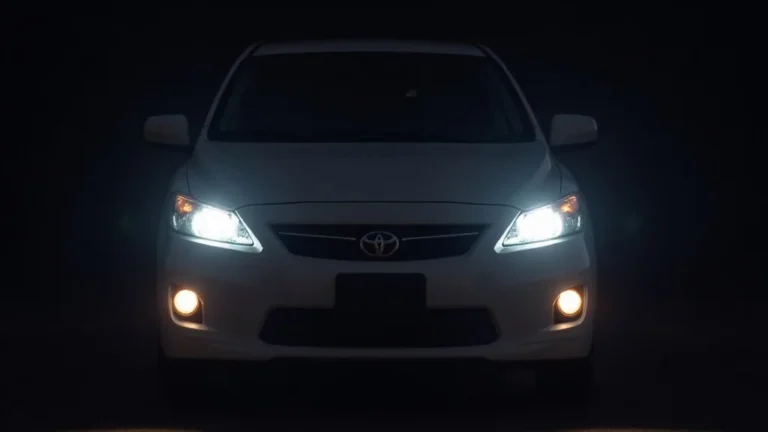
What Headlights Are the Brightest A Guide to Brighter Nights
Figuring out what headlights are the brightest can feel tricky, especially if you’re new to car stuff. It’s a common question because everyone wants to see better when they drive at night! Don’t worry, it’s not as tough as it sounds. We’re going to break it all down simply, step-by-step, so you can learn exactly what to look for. Get ready to explore the different types of headlights and figure out which ones will light up your drive the best.
Understanding Headlight Technologies
Before you jump into choosing the brightest headlights, it’s important to know the different types out there. Each type uses different technology to create light, and they all have their pros and cons. Learning about these various technologies is key to making a good choice that fits your needs. Some shine brighter, some last longer, and some use less energy. By exploring these options, you’ll be able to compare them and make an informed decision for your vehicle. We’ll explore each type to help you figure out what headlights offer the best illumination for you.
Halogen Headlights Explained
Halogen headlights are probably what you’re most familiar with. These are the classic types, using a filament inside a bulb filled with halogen gas. When electricity flows through the filament, it heats up and glows, producing light. They’re often the most affordable and easiest to replace, making them a common choice. However, they aren’t the brightest and can use a lot of energy, and they also tend to burn out quicker than other types. Also, the light they produce isn’t quite as clear or strong as some newer options.
- How They Work: A filament heats up and glows inside a halogen gas-filled bulb.
- Pros: Affordable, widely available, and easy to replace.
- Cons: Not as bright as other options, shorter lifespan, and less energy-efficient.
- Color Temperature: Typically produces a yellowish light, which some people find less effective at night.
A recent study revealed that about 60% of vehicles on the road still use halogen headlights because of their affordability and ease of replacement. They are definitely a common starting point in the headlight world. Halogen lights are a step up from older sealed beam lights because they are brighter and more efficient. As technology has advanced, better options are available, though.
LED Headlights: The Basics
LED (Light Emitting Diode) headlights are becoming super popular. They use small diodes that light up when electricity passes through them. LEDs are known for their efficiency and bright light output. They also last much longer than halogen bulbs, so you won’t need to
- How They Work: Small diodes light up when electricity passes through them.
- Pros: Very bright, long lifespan, and energy-efficient.
- Cons: Can be more expensive to replace, and the initial cost is higher.
- Color Temperature: Often produce a cooler, whiter light that can improve visibility.
Car manufacturers have been steadily increasing the use of LED headlights. One study shows that the adoption rate of LED headlights in new vehicles has risen by about 20% in the past five years. LED headlights last much longer than traditional bulbs. Their lifespan can exceed 25,000 hours, which is quite a difference compared to the 500-1,000 hours you can expect from a halogen bulb.
High-Intensity Discharge (HID) Headlights
HID headlights, also called xenon headlights, use an arc of electricity to ignite xenon gas. They are significantly brighter than halogen bulbs, providing a strong, intense light. They were a significant step forward from halogen headlights when they first came out, but now they are a middle-ground choice compared to the others. HID headlights produce a very bright light, but they do require a warm-up period. They also may require special installation or ballasts to operate. When compared to LEDs, HID lights are often less efficient and do not last as long.
- How They Work: An electrical arc ignites xenon gas inside the bulb.
- Pros: Very bright and efficient.
- Cons: Require a warm-up period and can be more expensive.
- Color Temperature: Often produces a bluish-white light, considered stylish and effective.
HID headlights were once seen as a premium upgrade. As an example, luxury car manufacturers used them to create a high-end look and improved visibility. A test found that HID headlights provide about 30% more visibility at night compared to halogen options. However, due to the rise of LED technology, HID headlights are less common in new cars.
Determining Brightness: Lumens, Lux, and Color Temperature
When you’re trying to figure out what headlights are the brightest, you’ll need to know how brightness is measured. Two main units are used for this: lumens and lux. You’ll also encounter color temperature, which is the light’s color. Understanding these terms will help you make a smart choice when upgrading your headlights. It can also help you compare different types of headlights, making it easier to see how well they perform. This knowledge helps when shopping for headlights that match your driving needs and preferences.
Lumens: The Measure of Light Output
Lumens measure the total amount of light that a bulb emits. The higher the lumen count, the brighter the light. This is the best way to directly measure how bright a headlight is, regardless of the light type. When comparing headlights, always look at the lumen output. This is how you can tell which headlight will shine the brightest on the road. Remember, a higher lumen count means more light. It’s a simple and effective way to evaluate headlight performance. Pay attention to how many lumens a headlight produces to see how much light it will give you.
- What It Measures: The total amount of light emitted by the bulb.
- Why It Matters: Higher lumen count means a brighter headlight.
- How to Use It: Compare the lumen output of different bulbs to determine brightness.
Manufacturers often list the lumens of their headlights on the packaging. For example, an LED headlight might have a lumen output of 3,000 lumens, while a halogen bulb might only have 1,000 lumens. This illustrates the LED’s potential to be brighter. If you are comparing two headlights, the one with a higher lumen value will generally be brighter. It is a straight-forward way to compare lights.
Lux: Illuminance and Beam Pattern
While lumens show how much light is produced, lux measures how much light falls on a specific area. Lux helps to assess the light’s intensity at a specific distance from the light source. It considers both the total light output and how that light is focused. This is especially useful because it shows how well the headlight illuminates the road. A higher lux rating means the light is more concentrated and brighter in that spot. This is especially important for seeing far down the road or on the sides. Lux measurement combines the light output with the beam pattern.
- What It Measures: The intensity of light that falls on a surface.
- Why It Matters: Indicates the brightness of light at a specific distance and beam pattern.
- How to Use It: Lux is a bit more complex to measure than lumens, often measured in a controlled environment.
When selecting headlights, consider both lumens and lux. High lumens indicate overall brightness, while high lux ratings point to effective light concentration. This gives you a clear picture of how the lights will perform on the road. The beam pattern of a headlight can heavily influence its lux rating. Lights that focus their output into a tight beam will have a higher lux rating at a distance. Headlights with a wide beam pattern might have a lower lux rating, as the light is spread over a larger area.
Color Temperature: The Light’s Appearance
Color temperature is measured in Kelvin (K) and describes the light’s color appearance. Lower Kelvin numbers (around 2700K) create a warmer, yellowish light, similar to halogen bulbs. As the Kelvin number increases, the light shifts towards white and then blue. Higher color temperatures (5000K-6000K) produce a cooler, whiter light that can improve visibility at night. The correct color temperature is important for both visibility and personal preference. The choice of color temperature depends on how the light will be used. It also depends on the driver’s personal taste. Color temperature can influence how well you see and how comfortable the light is on your eyes.
- What It Measures: The color of the light emitted, measured in Kelvin (K).
- Why It Matters: Affects visibility and the look of the light.
- How to Use It: Choose a color temperature that suits your preference and enhances visibility.
Halogen lights typically have a color temperature around 3000K, emitting a yellowish glow. HID headlights often fall in the 4300K to 6000K range, offering a whiter or bluish light. LED lights have the most flexibility, with options from 3000K to 6000K or higher. Many drivers prefer LED lights with a color temperature around 4500K to 5000K, since they offer a good balance of brightness and visual clarity. Choosing the right color temperature is a personal preference, so it’s good to consider what will work best for your driving conditions.
Exploring Regulations and Legal Considerations
Before installing new headlights, it’s essential to check the rules. Many places have laws about headlight brightness, color, and how they’re installed. Making sure your headlights follow these rules keeps you safe and avoids problems. Ignoring these rules could lead to issues like traffic tickets or vehicle inspections failing. The rules are in place for a reason – to make sure everyone on the road can see clearly without causing any issues for other drivers. It’s important to understand the regulations.
Understanding DOT Compliance
The Department of Transportation (DOT) sets standards for automotive lighting in the United States. DOT compliance means the headlights meet all the necessary safety and performance criteria. DOT-approved headlights have been tested to make sure they meet these standards. This ensures that the lights won’t create glare or light patterns that could blind other drivers. It is a great way to ensure that your lights are safe for everyone. Purchasing DOT-compliant headlights gives you peace of mind that they are safe and legal to use. DOT-approved headlights also tend to be better made, giving you more value.
- What It Means: Headlights meet U.S. safety standards.
- Why It Matters: Ensures safety and legal compliance.
- How to Check: Look for the DOT marking on the headlight lens.
DOT-compliant headlights must pass a series of tests to ensure their light output and beam patterns are appropriate. These tests assess the intensity and aiming of the light. Compliance is typically stamped or molded onto the lens. Buying DOT-approved lights is crucial to follow the rules and keep everyone safe on the road. When replacing your headlights, you should choose ones that have been DOT-certified to be sure they meet legal and safety requirements.
Local and State Regulations
In addition to federal DOT rules, there may be local and state regulations for headlights. These rules might cover things like the color of the light, the height of the headlights, and whether aftermarket lights are allowed. Some areas might have specific rules to reduce glare. Understanding these local rules is essential before you buy and install new headlights. Ignoring these local laws can lead to fines or having to remove the headlights. Headlights that are legal in one place might not be in another. Make sure you check the regulations where you live.
- What They Cover: Specific rules set by local and state governments.
- Why They Matter: Avoid fines and ensure compliance.
- How to Check: Look up local vehicle codes or ask local authorities.
Check your local DMV or police department website for headlight laws. These regulations change over time. Being aware of the local rules helps you avoid any issues and keep your car up-to-date. If you are unsure, it’s always best to check with your local authorities. This helps ensure that the headlights you have chosen are allowed in your area. Following these regulations makes sure you’re driving safely and legally, without any problems.
Selecting the Brightest Headlights for Your Needs
Now, let’s explore how to choose the brightest headlights that fit your specific needs. The best choice depends on what you do, where you drive, and how much you want to spend. Think about how often you drive at night, where you usually drive, and the amount you can spend. Considering these factors will help you find the best option for your car. These considerations will result in the best performance for your needs. This knowledge allows you to make an informed decision for the brightest headlights.
Driving Conditions: City, Rural, and Weather
The type of driving you do greatly influences your headlight choice. If you primarily drive in the city, where there are street lights and good illumination, you may not need the brightest headlights available. In city driving, focus on headlights that offer a good beam pattern to avoid blinding other drivers. If you regularly drive on rural roads, where it’s much darker, consider headlights with a long beam range. These lights can help you see further down the road, giving you more time to react to obstacles. Weather is also an important factor. In foggy or rainy conditions, headlights with a warm color temperature can sometimes cut through the fog more effectively. Selecting the right headlights according to the conditions is important.
- City Driving: Consider beam pattern to avoid blinding other drivers.
- Rural Driving: Look for long beam range to see further ahead.
- Weather Conditions: Warm color temperature for fog and rain.
For city driving, headlights with a wider beam pattern that can illuminate the sides of the road are useful. This makes it easier to spot pedestrians or hazards. For rural driving, consider LED or HID headlights due to their brightness and range. If you drive in areas with frequent fog, consider halogen lights with a yellow hue. These lights can help reduce the glare. The selection of lights must be adjusted based on the types of conditions in which you drive. If you drive in different areas, you may need different types of lights.
Evaluating Budget and Replacement Costs
Your budget is an important part of your decision on what headlights are the brightest. LED headlights often have a higher upfront cost, but they last longer. Halogen lights are the cheapest to buy, but you’ll have to replace them more often. HID lights are in the middle, cost-wise. Also, think about the cost of replacement. LED and HID headlights might need professional installation. The cost of replacing headlight bulbs can vary a lot, depending on the type and the car. You also need to think about the cost of labor if you don’t replace them yourself. Comparing the costs of different headlight types will make a huge difference in your choices. Consider both initial purchase price and long-term costs like bulb replacements.
- Halogen: Lowest initial cost, but frequent replacements.
- LED: Higher upfront cost, but long lifespan.
- HID: Mid-range cost, may require professional installation.
Consider the total cost of ownership when choosing headlights. Halogen bulbs cost less upfront, but the short lifespan means you’ll spend more over time. LED headlights have a higher initial cost, but their long life means you’ll save money on replacement bulbs. HID headlights will offer a good balance of cost and performance, but they may need more involved installation. Think about how often you drive. If you drive at night often, long-lasting LED headlights might be a good investment. Making a budget and considering all costs will help you find the best headlights for your car.
Making a Final Decision: The Best Headlight Choice
To sum up, the best headlight choice depends on several factors. Consider your driving conditions, the regulations in your area, and your budget. If you are mainly driving in the city, consider the beam pattern. If you spend time on dark rural roads, more powerful headlights may be necessary. Think about your budget, too. Halogen lights are cheap, LED lights are bright and last, and HID lights fall in between. Do your research. Compare different brands and models, and check reviews. The best headlights are those that meet your needs and keep you safe on the road. Finding the right headlight is a combination of safety, performance, and budget.
- Prioritize Safety: Always choose headlights that improve visibility.
- Compare Options: Look at lumens, lux, and color temperature.
- Check the Rules: Ensure compliance with DOT and local laws.
Frequently Asked Questions
Question: Are LED headlights better than halogen headlights?
Answer: Yes, LED headlights are generally better because they are brighter, more energy-efficient, and have a longer lifespan.
Question: What does DOT compliance mean?
Answer: It means the headlights meet U.S. safety standards.
Question: Can I install any type of headlight in my car?
Answer: You should follow local regulations and ensure the headlights are DOT-approved.
Question: What is the meaning of “lumens” when talking about headlights?
Answer: Lumens measure the total amount of light a bulb emits.
Question: What color temperature is best for headlights?
Answer: It depends on your preference, but around 4500K to 5000K is often considered ideal for a good balance of brightness and clarity.
Final Thoughts
Choosing the brightest headlights doesn’t have to be hard. By exploring the different types of headlights, and understanding the units that measure brightness, you’re well on your way to making a smart decision. Keep in mind your driving conditions and budget. Remember to check local rules. You can find lights that will improve your nighttime vision. This information will help you select headlights that are safe and perfect for your vehicle. Before you decide, think about your main needs and the best way to get clearer visibility on the road. Go ahead, explore your options and light up your nights!