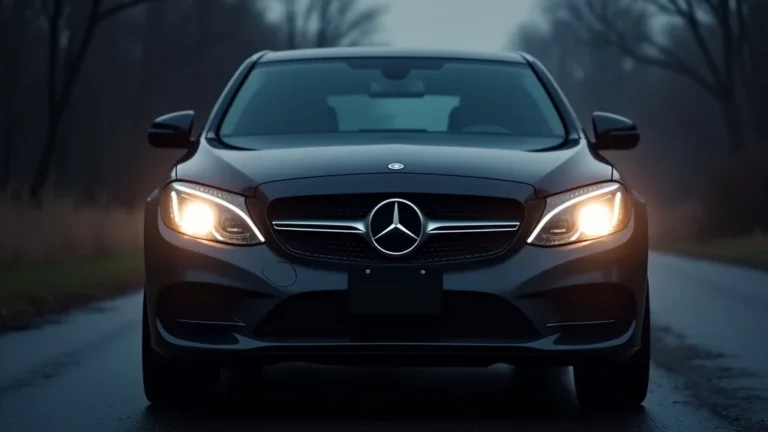
What Is DRL on Headlights? A Simple Guide for Drivers
If you’re new to driving, you might be wondering what is drl on headlights. It’s a common question! It can seem confusing with all the car jargon. Don’t worry, it’s actually pretty straightforward once you know. This guide is here to explain everything in easy-to-understand terms. We’ll break down the basics so you can drive with confidence. Let’s start!
DRL: The Basics of Daytime Running Lights
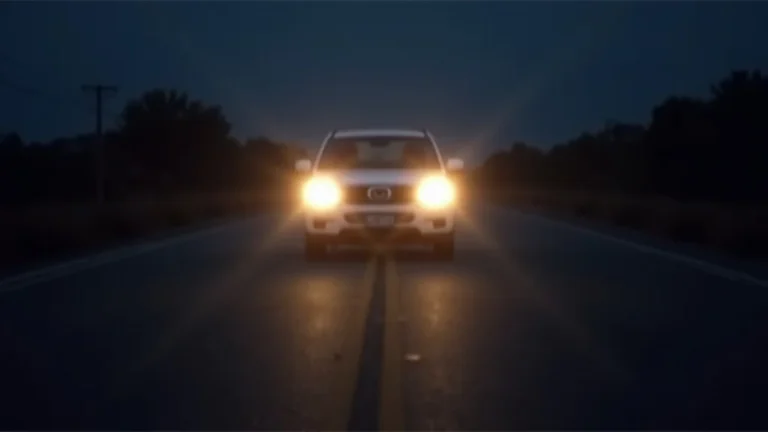
Daytime Running Lights (DRL) are a safety feature on many vehicles. They are designed to make your car more visible to other drivers, especially during the day. The primary function of DRL is to enhance vehicle conspicuity. This means they help others see your car more easily. DRL typically turn on automatically when the engine starts. They usually stay on until the engine is turned off or when you activate your headlights. They are usually located at the front of the vehicle. DRL typically use less power than standard headlights, and they’re often brighter than the parking lights.
What They Are and What They Do
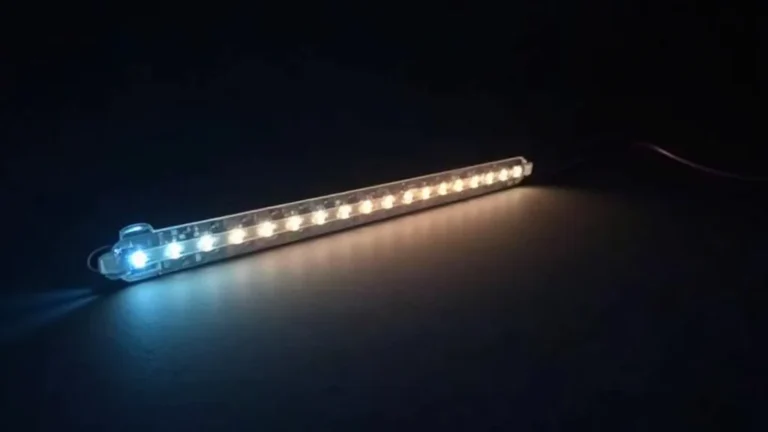
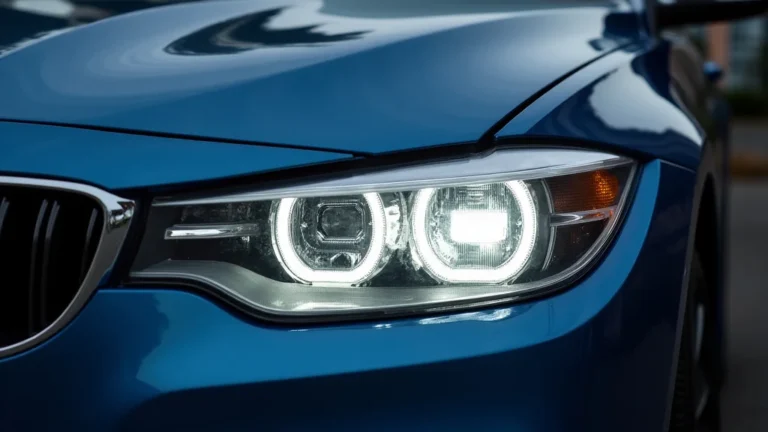
DRLs are essentially lights on your vehicle that are on when the car is running. Their main job is to make your car more visible. This helps reduce the risk of accidents. They are usually white or amber in color. They are brighter than parking lights but not as bright as your regular headlights. This design allows them to stand out without blinding other drivers. DRLs automatically switch on when the car starts. They switch off when the headlights are manually activated or when the engine is turned off. The DRL system can incorporate different types of lights. These can range from dedicated LED strips to the main headlight bulbs themselves, operating at a lower intensity.
- Enhanced Visibility: DRLs increase the visibility of your vehicle during the day. This is particularly helpful in situations with reduced visibility, such as in overcast conditions or during dawn and dusk.
- Automatic Operation: They automatically turn on when you start your car, so you don’t have to remember to switch them on. This simplifies driving and ensures they are always active when needed.
- Reduced Accidents: Studies have shown that DRLs can help reduce accidents by making your car more noticeable to other drivers. This is because other drivers can see your car sooner, giving them more time to react.
- LED Technology: Many modern vehicles use LED technology for DRLs. LEDs are energy-efficient and last longer than traditional bulbs. This reduces the need for replacement and saves energy.
The Science Behind DRLs
The effectiveness of DRLs lies in how our eyes and brains process visual information. During daylight, our pupils constrict due to the brighter light conditions. This can make it more challenging to discern objects, like cars, in our field of vision. DRLs exploit this. They increase the contrast between the vehicle and its surroundings. The contrast helps drivers see oncoming traffic from a greater distance. DRLs also use the phenomenon of motion perception. The movement of a vehicle with DRLs is easier to detect. This is particularly beneficial on roads with varied backgrounds or when traffic density is high.
Consider the contrast against a backdrop. It can be a bright sky or a busy cityscape. The presence of DRLs immediately draws attention. This makes a moving vehicle stand out more than a stationary one. This is achieved through color contrast and visual movement. This makes the vehicle more obvious. The human visual system is primed to quickly recognize motion. DRLs capitalize on this natural tendency. They give drivers a crucial advantage in noticing other vehicles on the road.
Types of DRL
DRLs come in various forms, each with its own advantages. The most common types include dedicated LED strips, the main headlight bulbs operating at a lower intensity, and integrated light elements within the vehicle’s design. The choice of which type of DRL to use depends on the car manufacturer’s design and technological preferences. The location and brightness of DRLs are also important. They must be bright enough to be seen in daylight. They can’t be so bright that they distract or annoy other drivers. These design elements ensure the effective function of DRLs in improving road safety. LED DRLs often offer better energy efficiency and longer lifespans than incandescent bulbs.
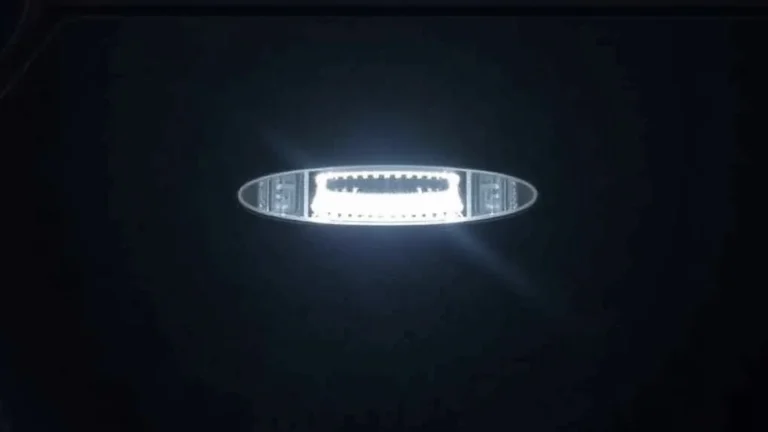
- Dedicated LED Strips: Many modern vehicles feature dedicated LED strips as DRLs. These are often located in the front bumper or integrated into the headlight assembly. They are very energy-efficient and can provide a bright, focused light.
- Headlight Bulbs at Reduced Brightness: Some cars use the main headlight bulbs for DRLs. They operate at a lower intensity than when the headlights are on. This helps save energy and extend the life of the bulbs.
- Integrated Designs: Certain vehicle designs incorporate DRLs as part of the overall lighting system, such as a light bar across the front. These are often aesthetically pleasing and offer excellent visibility.
- Fog Lights as DRLs: Some vehicles may use the fog lights as DRLs. This can be a practical solution, particularly in areas where fog is common. However, it’s important to make sure they’re not too bright or distracting.
How DRL Works on Your Vehicle
The operation of DRLs involves a few key components and processes that enable them to function automatically. These systems are designed to be user-friendly, ensuring that drivers do not need to manually turn them on or off. This section details the mechanisms, from power supply to integration with other vehicle systems.
The DRL System Components
The DRL system is made up of several important components that work together. These components ensure the lights are activated correctly. The key components include the light bulbs, the control module, and the power source. The light bulbs can vary, with LEDs and halogen bulbs being the most common choices. The control module is the brain of the DRL system. It receives signals from the car’s sensors and determines when to turn the lights on and off. The power source is the car’s electrical system, which supplies the necessary energy for the lights to operate.
The control module plays a central role. It constantly monitors the car’s operation. This includes engine status, light switch positions, and ambient light conditions. Based on this information, the control module makes decisions about whether to activate the DRLs. When the engine is started, the module sends a signal to the lights to switch on. When the headlights are turned on manually, the DRLs might dim or turn off. This prevents them from interfering with the main headlights. The wiring connects all these components. This forms a complete and functional system that works seamlessly to increase visibility on the road.
Activation and Deactivation
DRLs are designed to operate automatically. They activate when the engine is running and deactivate when the headlights are turned on or the engine is turned off. When you start your vehicle, the engine control unit (ECU) sends a signal to the DRL control module. The module then activates the DRLs. This typically involves applying power to the light bulbs. They then illuminate at a specific intensity. This is a crucial safety function, ensuring the lights are on as soon as the vehicle is in motion.
Deactivation occurs in a few ways. If you turn on your headlights manually, the DRLs usually switch off. This is to avoid having multiple bright lights at the same time. This is done through the DRL control module. It senses the change in the headlight switch. It then stops power to the DRLs. When you turn off the engine, the power supply to the entire electrical system is cut off. This causes the DRLs to shut down as well. DRL systems are designed to be reliable. They ensure that the lights operate correctly under all driving conditions.
Power and Energy Consumption
The power supply to DRLs is usually provided by the car’s electrical system. This system is designed to provide sufficient power to all vehicle components. DRLs often use less power than regular headlights. This is because they usually operate at a lower intensity. The energy efficiency of DRLs is influenced by the type of light bulbs used. LEDs are particularly energy-efficient, drawing less power than traditional halogen bulbs. This helps reduce the overall energy consumption of the vehicle.
The DRL system is wired into the car’s electrical network. It allows the lights to function automatically without drawing too much power. This power management is carefully controlled. It ensures that the DRLs do not put excessive strain on the car’s battery or alternator. The lower power consumption of DRLs contributes to the vehicle’s fuel efficiency. It also reduces wear on electrical components. The system is designed to optimize visibility. At the same time, it minimizes the electrical load.
Benefits of Having DRL on Your Car
Having DRLs offers significant advantages for both drivers and other road users. Their main goal is to improve safety by increasing visibility. This helps reduce the risk of accidents. Beyond safety, DRLs offer other benefits. They include ease of use and potential cost savings. DRLs improve road safety by making vehicles more noticeable.
Enhanced Road Safety
The primary benefit of DRLs is an increase in road safety. By making a car more visible, DRLs give other drivers more time to react. This is particularly important in low-light situations. This includes dawn, dusk, and overcast days. The added visibility helps reduce the risk of collisions. DRLs make vehicles more conspicuous. This is especially true for cyclists and pedestrians. These road users are often less visible than cars.
Numerous studies have shown the effectiveness of DRLs in reducing accidents. Research suggests a significant decrease in crashes, especially during daytime hours. DRLs help drivers see oncoming vehicles from a greater distance. This offers more time for evasive maneuvers. DRLs are more than just lights. They are a valuable safety feature that contributes to safer roads for everyone.
Here’s a comparison of accident reduction with and without DRLs:
| Study Area | Accident Reduction (with DRLs) |
|---|---|
| European Union | 5-15% |
| Canada | 11% |
| United States | Varies, depending on state |
Ease of Use and Convenience
One of the biggest advantages of DRLs is their ease of use. They automatically turn on and off. This removes the need for drivers to manually operate them. This simplifies the driving experience. This prevents drivers from forgetting to turn on their lights. This is especially important during transitional times. They are most helpful in dawn or dusk.
The automatic operation eliminates a potential source of distraction. The driver is not required to remember to switch the lights on and off. This allows the driver to focus on the road. The system integrates smoothly with a vehicle’s other lighting features. The seamless operation means drivers can trust the lights to enhance their visibility.
Potential Cost Savings
DRLs can contribute to cost savings in several ways. LEDs, commonly used in DRLs, are energy-efficient. They consume less power than traditional halogen bulbs. This can lead to a slight improvement in fuel efficiency. The longer lifespan of LED bulbs reduces the need for frequent replacements. This decreases maintenance costs over the lifetime of the vehicle.
By reducing the chance of accidents, DRLs indirectly help save money. Reduced accidents mean fewer insurance claims. They also reduce the cost of vehicle repairs. While the initial cost of a vehicle with DRLs may be higher, the long-term savings through reduced operating and maintenance expenses are notable. DRLs also contribute to safer driving. They help reduce costs associated with vehicle damage.
Driving Laws and Regulations Regarding DRL
Regulations surrounding DRLs vary depending on the location. It’s important to be aware of the laws in your region. These regulations specify whether DRLs are required, their design, and their usage. These laws are intended to promote road safety. They set guidelines for how DRLs should function to maximize their effectiveness. It’s essential for drivers to keep up-to-date with these guidelines.
Legal Requirements and Mandates
Many countries and regions have made DRLs mandatory for new vehicles. These mandates stem from the proven benefits of enhanced visibility. The specific requirements include the type of lights and their positioning. This ensures all vehicles are equipped with a minimum standard of safety. The legal requirements specify the intensity and color of DRLs. They need to be visible in daylight conditions. They should not be so bright that they distract other drivers. The regulations also specify when the DRLs should be active.
Drivers must comply with these requirements to ensure their vehicles meet legal standards. Failure to comply can result in fines or other penalties. These standards are constantly updated. This is to reflect advancements in technology and changing safety priorities. Always check the local laws. It ensures that vehicles are compliant and contribute to road safety.
DRL Compliance and Vehicle Inspection
DRL compliance is usually checked during vehicle inspections. These inspections ensure that DRLs are functioning correctly. They are designed to meet all legal requirements. The inspection process assesses the visibility, intensity, and positioning of the lights. It confirms that the lights turn on and off as required. Any non-compliance might lead to a vehicle failing the inspection. It will require the owner to make necessary repairs or adjustments.
Regular maintenance is essential to maintain DRL compliance. Check the lights regularly for any damage or malfunctions. Replace faulty bulbs immediately. This prevents potential safety hazards. The inspection process ensures that all vehicles on the road meet the required safety standards. It promotes road safety.
DRL in Different Regions
The regulations regarding DRLs vary from one region to another. Some regions require DRLs to be on. Some may specify the exact type of lights that are permitted. In areas where DRLs are not mandatory, drivers can choose to have them installed. It’s crucial to consult local vehicle codes. These codes provide the specific regulations. They can clarify the requirements for DRLs.
- Europe: DRLs are mandatory for all new vehicles. Specific standards for light intensity and position are in place.
- North America: DRLs are required in Canada. They are optional in the United States. State laws vary on requirements.
- Asia: DRL regulations vary. Some countries have mandatory requirements. Others have voluntary guidelines.
- Australia and New Zealand: DRLs are required for new vehicles. There are specific standards.
Troubleshooting DRL Issues
Like any vehicle system, DRLs can sometimes experience issues. Common problems include failure to turn on, flickering lights, or dim illumination. Troubleshooting these issues involves simple diagnostic steps. These can often be resolved with basic tools and knowledge. The process starts with a quick inspection.
Common DRL Problems
Several common issues can affect the function of DRLs. A failure to turn on is a typical issue. This could be due to a faulty bulb, a problem with the wiring, or an issue with the control module. Flickering lights can indicate a loose connection. They can also indicate a failing bulb. Dim illumination suggests a problem with power supply. It could be due to a failing battery or a problem with the alternator.
Recognizing the symptoms of these issues is the first step in troubleshooting. These can also be caused by damage to the headlight assembly. Damage may cause the DRLs to fail or perform poorly. Regular visual inspections and a quick review of the car’s electrical system can often reveal the root cause of the problem.
Diagnosis and Repair
When you encounter a DRL issue, the diagnostic process begins with a careful inspection. Check the light bulbs for any damage or signs of wear. Examine the wiring and connectors for any loose or corroded connections. Use a multimeter to test for power at the bulb connector. This can help to determine if the issue is with the bulb or the electrical supply.
If the bulb is faulty, replacing it is usually the solution. If wiring is damaged, it can require repair or replacement. In cases involving the control module, you might need to consult a qualified mechanic. They can correctly diagnose and fix the problem. Always turn off the ignition and disconnect the battery before working on electrical components. This will avoid the risk of electrical shock.
Preventative Maintenance
Preventative maintenance can help avoid DRL issues and keep the system functioning properly. Regular inspections of the lights are helpful. This includes checking the bulbs and wiring. Cleaning the headlight lenses is also important. It ensures the DRLs can be seen clearly. Keeping the car’s electrical system in good condition is key. This includes ensuring the battery and alternator are functioning properly. This will provide reliable power to the DRL system.
Proper maintenance helps maximize the lifespan of the DRL system. It also ensures the lights continue to function reliably. Regular maintenance is a small price to pay for the increased safety and peace of mind that DRLs provide.
Frequently Asked Questions
Question: What’s the main purpose of DRL?
Answer: The primary purpose of DRLs is to increase the visibility of your vehicle to other drivers, especially during the day, which can help reduce accidents.
Question: Are DRLs required on all vehicles?
Answer: DRLs are mandatory in many countries and regions, including Canada and most of Europe. However, their requirement can vary in the United States, where some states have mandated them and others don’t.
Question: What happens if a DRL bulb fails?
Answer: If a DRL bulb fails, it can reduce the visibility of your car. It’s important to
Question: Do DRLs use a lot of power?
Answer: DRLs generally use less power than standard headlights, often using energy-efficient LED technology to minimize power consumption.
Question: How do I know if my car has DRL?
Answer: You can usually identify DRLs by checking if your lights are on when the engine is running, even when the headlight switch is off. They are often brighter than parking lights but less bright than headlights.
Final Thoughts
You now have a solid grasp of what is drl on headlights and how they work. You know their main function is to boost your car’s visibility. This helps keep you and others safe on the road. The automatic on/off feature makes it easy to use. DRLs help you drive with added confidence. Always ensure your DRLs are functioning correctly. They are a simple yet important safety feature. If you notice any issues, address them promptly. By understanding and maintaining your car’s DRL system, you’re taking a positive step. You’re ensuring a safer driving experience for yourself and everyone else.