Daytime Running Lights Explained: A Guide for Beginners
If you’re new to cars, you might be asking what are drl headlights. It’s a common question, and sometimes the answer can sound complicated. But don’t worry! This guide will break it down simply. We’ll explore everything from what they are to how they work. Ready to get started and become an expert? Let’s begin!
Understanding Daytime Running Lights
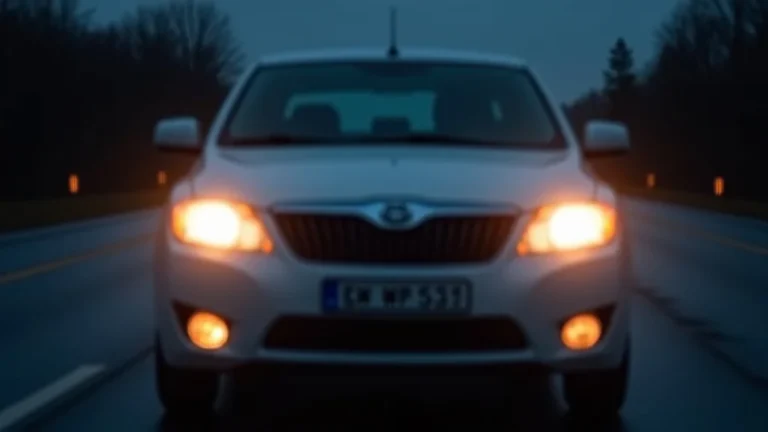
Daytime Running Lights (DRLs) are lights on a vehicle that are automatically turned on when the car is running. Their main function is to make your car more visible to other drivers, even during daylight hours. This can help reduce accidents by making your car easier to spot. This is especially useful in conditions where visibility might be reduced, such as rain, snow, or even just a cloudy day. The lights usually aren’t as bright as your regular headlights, and they’re designed to be seen, not to illuminate the road ahead in the same way your headlights do at night. They are a significant safety feature in modern vehicles.
What They Are
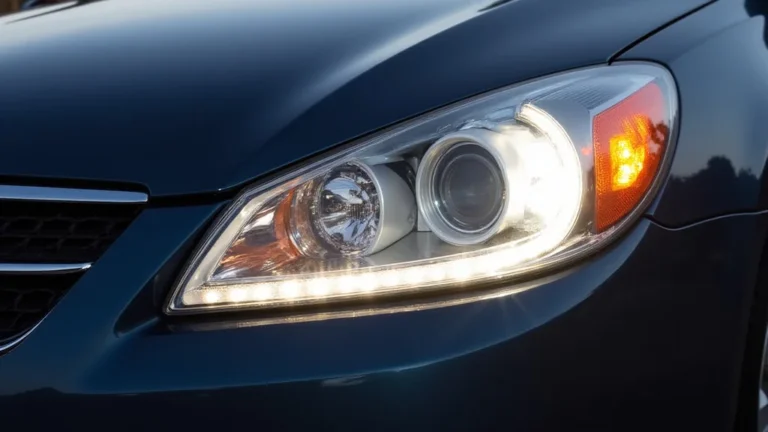
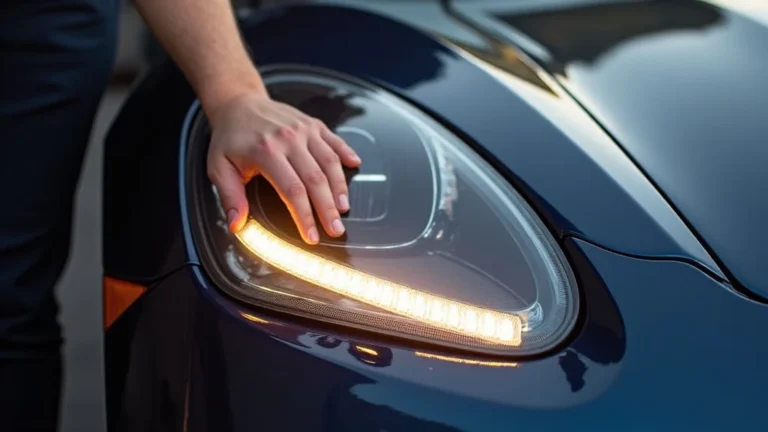
DRLs are essentially lights that turn on automatically when your car’s engine is running. They are not the same as your headlights, which are much brighter and designed for nighttime driving. DRLs are typically located at the front of the vehicle, often in the headlight housing, but sometimes they may be separate. They can be various types of lights, including LEDs, halogen bulbs, or even part of the main headlight system. Their main job is to enhance your car’s visibility to other drivers, helping prevent crashes. They offer a constant visual cue to other vehicles, pedestrians, and cyclists about the presence of your vehicle.
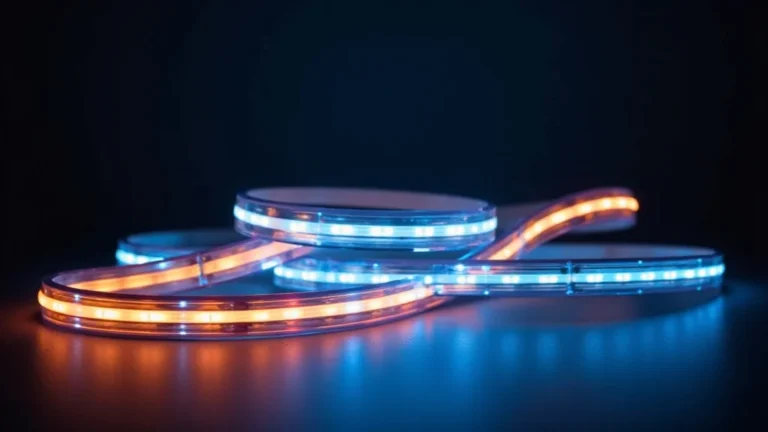
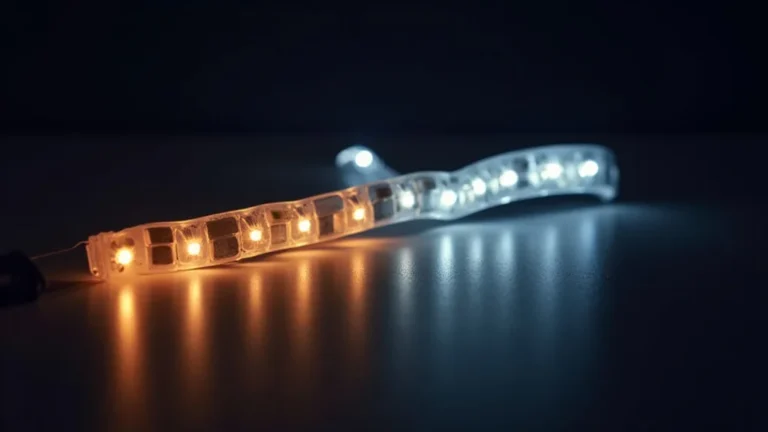
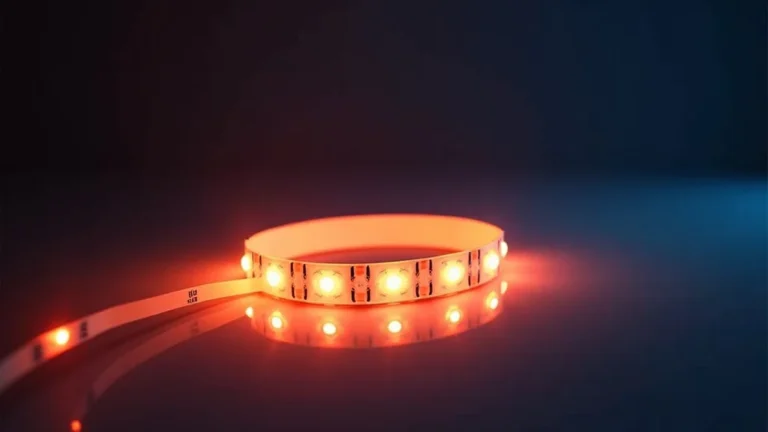
- LEDs: Many modern vehicles use LED (Light Emitting Diode) lights for DRLs. LEDs are energy-efficient, long-lasting, and provide a bright, focused light. They are a popular choice for their sleek design and improved visibility. LEDs can come in many shapes and styles.
- Halogen Bulbs: Older or more basic cars might use halogen bulbs for DRLs. These are the same type of bulbs commonly used for headlights. They are less efficient than LEDs but still serve the purpose of enhancing visibility. These bulbs provide a warm, often yellow-ish light.
- Placement: DRLs are usually located in the front of the vehicle, though the exact position varies depending on the car’s design. Some vehicles integrate them within the main headlight assembly, while others have separate dedicated light fixtures. The position is carefully selected to maximize visibility.
- Function: The primary function of DRLs is to increase the visibility of your vehicle during the daytime. This is achieved by providing a constant light source that helps other road users to easily spot your car, reducing the likelihood of accidents. This is particularly useful in poor weather conditions.
How DRLs Work
The operation of DRLs is fairly straightforward. When you start your car’s engine, the DRLs automatically turn on. They don’t require you to manually switch them on, like your headlights. They typically operate at a lower intensity than your headlights, as their main job is to be seen, not to illuminate the road. When you turn on your headlights at night or in low-light conditions, the DRLs may turn off or dim to allow the headlights to take over their primary function. This automatic function ensures that your vehicle is always as visible as possible without the need for driver intervention.
- Automatic Activation: The system is designed to activate DRLs automatically when the engine is running. This is usually managed by the car’s computer. It detects when the engine is on and sends a signal to turn on the DRLs.
- Brightness Control: DRLs operate at a lower intensity than headlights. This is achieved through a specific circuitry that reduces the voltage supplied to the bulbs or LEDs. This control not only reduces power consumption but also prevents the lights from being too distracting during the day.
- Headlight Interaction: The DRLs often interact with your main headlights. When the headlights are turned on (for example, at night), the DRLs may turn off or dim to allow the headlights to take over the primary function of illuminating the road.
- Sensor Integration: Some vehicles have sensors that detect ambient light levels. These sensors help the system determine when to activate the DRLs. The DRLs function best when they are active when visibility is reduced or during daylight hours.
The Benefits of Daytime Running Lights
The main reason for using DRLs is safety. By increasing your car’s visibility, they significantly decrease the chances of accidents. Studies show a clear link between DRLs and reduced collision rates. Moreover, DRLs contribute to a general awareness of vehicles on the road, creating a safer environment for everyone. They don’t require any effort from the driver, as they work automatically. Their implementation is a simple, effective solution that has a significant positive impact on road safety across the board.
Safety Advantages
The primary benefit of DRLs is the enhancement of vehicle safety. The most crucial safety benefit of DRLs is their ability to make your car much more visible to other drivers, pedestrians, and cyclists. This increased visibility gives other road users more time to react, lowering the likelihood of collisions. This feature is especially useful in situations like inclement weather or dawn/dusk, where visibility is already compromised. Having DRLs provides a constant visual signal that helps other road users identify your vehicle and, consequently, avoid potential accidents.
- Reduced Accident Rates: Numerous studies show a clear link between DRLs and a decrease in traffic accidents. This is primarily because DRLs help other drivers to see your car more easily. The constant light signal helps prevent accidents.
- Improved Visibility: DRLs make your vehicle stand out, making it easier for others to see you, especially in challenging conditions like rain, snow, or fog. They ensure that you’re noticed, which is important for overall safety on the road. This boosts visibility.
- Early Detection: DRLs allow other drivers to spot your vehicle from a greater distance. This extra time can give them more chance to respond, whether it’s braking, changing lanes, or taking other evasive actions, preventing potential issues. This results in greater safety.
- Pedestrian and Cyclist Safety: DRLs don’t just help other drivers. They can also aid pedestrians and cyclists in recognizing your vehicle, increasing their safety too. These lights make your car more noticeable in busy areas.
Enhanced Visibility in Different Conditions
DRLs provide significant advantages in various driving conditions. They are especially helpful in situations where visibility is already compromised. Whether it’s a foggy morning, a snowy day, or even just a cloudy afternoon, DRLs can make a significant difference. They provide a continuous light source that helps other road users quickly identify your vehicle, improving safety on the road. They are always active whenever the engine is running, making your car easier to spot, regardless of the weather conditions.
- Rain: During rainy weather, visibility is often decreased due to reduced lighting, and water on the windshield can distort the view. DRLs help your car stand out against the backdrop, providing other drivers with a better visual reference of your car’s location.
- Snow: Snow can dramatically reduce visibility. Snowfall reflects light and can create a whiteout effect. DRLs can cut through the glare, making your car more visible to others. In the snow, you need all the help you can get.
- Fog: Fog is infamous for obscuring vision, making it extremely difficult to see vehicles. DRLs help vehicles become more noticeable in this dangerous situation. They assist others in quickly understanding your position.
- Dawn and Dusk: Visibility can also be poor during dawn and dusk. The low angle of the sun can create glare and shadows, making it hard to see other vehicles. DRLs provide consistent visibility.
What Are Drl Headlights Regulations and Standards
The regulations regarding DRLs vary depending on the country and region. Many places have made DRLs mandatory for new vehicles, recognizing their safety benefits. These rules specify where the lights should be placed, how bright they should be, and how they should function. Standards also cover the type of lights allowed and the technology used. As the implementation of DRLs keeps growing, it’s essential to stay informed about local standards and vehicle requirements to make sure your car meets all necessary regulations.
Legal Requirements and Mandates
Rules on DRLs are different across the globe. Many countries and regions have mandated the use of DRLs on new vehicles. These laws aim to improve road safety by making vehicles more visible. The standards dictate several aspects, including the light’s intensity, location, and the conditions under which they should operate. These mandates can vary, but generally, the aim is to make sure vehicles are equipped with DRLs to improve road safety. It’s crucial to be aware of the specific legal requirements where you live or drive.
- Mandatory in Many Regions: DRLs are mandatory in many countries around the world. These include Canada, the European Union, and several other places. Check the specific requirements of the region.
- Light Intensity Standards: Regulations often specify the allowed brightness of DRLs to prevent them from being too distracting. The light intensity must meet certain levels. This is typically measured in candelas.
- Location Requirements: There are rules about where the DRLs are positioned on the vehicle. These requirements usually ensure the lights are located in a position that maximizes their visibility to other road users. Placement impacts visibility.
- Automatic Operation: Most regulations specify that DRLs should turn on automatically when the engine is running. This automatic function eliminates the need for manual activation. This provides consistent usage.
Safety Standards and Testing
Besides legal rules, DRLs must meet certain safety standards to make sure they function as intended. These standards cover aspects such as the light’s durability, its efficiency, and its impact on other road users. Testing is a crucial part of the process, ensuring that the DRLs meet these standards. This is done to guarantee that these lights offer maximum visibility and safety on the road. Standard testing and regulations help maintain the safety benefits that DRLs provide to drivers.
- ECE Regulations: The Economic Commission for Europe (ECE) sets many standards for vehicle components, including DRLs. These rules ensure that DRLs meet specific performance and safety criteria. They set the international standard.
- SAE Standards: The Society of Automotive Engineers (SAE) also provides rules and testing procedures for DRLs. SAE standards are commonly used in North America. Their standards help with testing.
- Durability Testing: DRLs are subject to testing to ensure they can withstand various weather conditions, vibrations, and other environmental factors. This durability ensures the lights stay working.
- Optical Performance: Testing is done to make sure DRLs provide the correct light output and visibility without causing glare to other drivers. This ensures the lights are seen.
| Standard | Description | Purpose |
|---|---|---|
| ECE R87 | A European regulation detailing requirements for DRLs. | To standardize the performance and safety of DRLs. |
| SAE J579 | An SAE standard detailing the testing and performance of DRLs. | To ensure DRLs meet specific visibility and safety levels. |
Maintaining and Troubleshooting Your DRLs
Keeping your DRLs in good condition is important. Regularly checking them and performing basic maintenance can make sure they work properly. Even though they’re designed to be low-maintenance, issues can come up. Understanding how to check them, what to do if they stop working, and knowing common issues will help you keep your vehicle safe on the road. If you find any problems, there are ways to fix them or get professional help to ensure they stay effective.
Checking and Maintenance
Regular checks are important for maintaining your DRLs. This includes visual inspections to look for any physical damage to the lights, such as cracks or broken lenses. It’s also important to make sure the lights are functioning correctly. This is usually as simple as starting your engine and checking whether the DRLs turn on. Keeping the lights clean is also important for maintaining their effectiveness. Regularly cleaning the light’s lenses can help remove dirt and debris, which can reduce their visibility.
- Visual Inspection: Look for any signs of damage to the DRLs, such as cracked lenses, broken housings, or any other physical damage. Regular inspections can detect the problems.
- Functionality Test: Start your engine and check if the DRLs automatically turn on. If they don’t, there might be a problem with the electrical system or the lights themselves. This function must be tested.
- Cleanliness: Keep the lenses clean by regularly wiping away dirt, dust, and debris. This keeps the light bright.
- Bulb
Common Problems and Solutions
Even though DRLs are generally dependable, issues can happen. These can range from a burned-out bulb to problems with the electrical system. The key is knowing how to identify these problems and knowing basic troubleshooting steps. A broken bulb is often the issue, in which case replacement is the simple solution. Other issues could need a more advanced understanding of your car’s electrical systems. Understanding these common problems and the basic solutions can help you maintain the functionality of your DRLs.
- Burned-Out Bulbs: If one or both DRLs aren’t working, the bulb has probably burnt out.
- Electrical Issues: Sometimes, the problem may be in the electrical system, such as a blown fuse or a faulty wiring connection. Check the fuses.
- Sensor Problems: If the DRLs aren’t turning on automatically, there might be a problem with the light sensor. The sensor may need repair or replacing.
- Water Intrusion: If the DRL housing gets water in it, the light may stop working. Repair is needed.
Frequently Asked Questions
Question: What do DRLs look like?
Answer: They can vary in appearance, but typically they are small, bright lights located at the front of the vehicle, often in or near the headlights.
Question: Why do some cars have DRLs and others don’t?
Answer: It’s often due to different regional regulations and the year the car was made. Newer vehicles are more likely to have them.
Question: Can I turn off my DRLs?
Answer: In most cases, DRLs can’t be turned off as they are designed to operate automatically. Some vehicles have a feature where you can disable them.
Question: Are DRLs the same as headlights?
Answer: No, they’re different. DRLs are designed to enhance visibility during the day, while headlights are for nighttime driving.
Question: What happens if my DRLs stop working?
Answer: You should check for burned-out bulbs or electrical issues, and have them repaired to ensure your vehicle remains visible.
Final Thoughts
You now have a solid grip on what are drl headlights. You learned that they are an important safety feature designed to make your vehicle more visible to other road users, especially during daylight. DRLs automatically turn on when your car’s engine starts, providing a constant light source that can help prevent accidents. They are often LEDs or halogen bulbs, and their brightness and operation are controlled to ensure they don’t distract drivers. By understanding the safety benefits, legal requirements, and how to maintain them, you can help stay safe. Always check your lights regularly and