Are LED Headlights Legal? A Comprehensive Guide
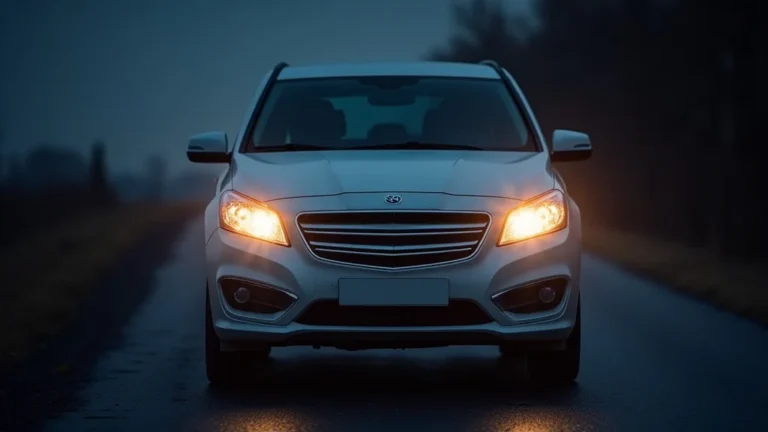
Picture this: you’re cruising down a dark road, and suddenly, a car with incredibly bright headlights zooms past. They illuminate the road with a crisp, clean light. These are likely LED headlights. But have you ever wondered about their legality? It’s a question many drivers have. This guide will provide clarity on the rules surrounding these popular lights. You’ll explore the different regulations, learn about potential issues, and get actionable advice to stay compliant. By the end, you’ll gain a comprehensive look at the legalities, helping you drive safely and confidently.
Regulations and Legal Considerations
The legality of using LED headlights isn’t a simple yes or no. It depends on several factors, including where you live (state or province), the specific type of LED headlight, and how they’re installed. Vehicle lighting laws are put in place to ensure road safety. They regulate things like brightness, color, and how the light is directed. These laws aim to minimize glare for other drivers and ensure the vehicle is seen clearly at night. There’s a lot to consider to make sure your lights are up to code.
OEM Versus Aftermarket LED Headlights
Original Equipment Manufacturer (OEM) LED Headlights
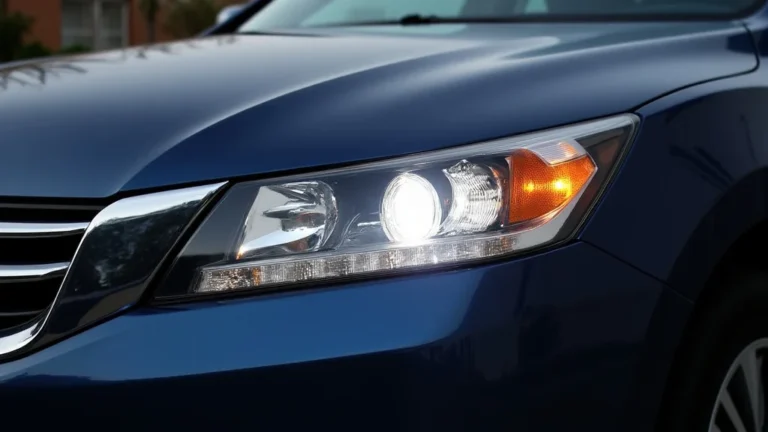
Original Equipment Manufacturer (OEM) LED headlights are factory-installed. These headlights are designed and built by the same company that made your vehicle. They come with the car when it’s sold and are specifically designed to meet all legal requirements. Because OEMs are integrated into the vehicle’s electrical system, they typically have the correct beam pattern, intensity, and color temperature. They also undergo rigorous testing and are usually compliant with all local laws and regulations. You can usually install these without problems.
- Compliance with Regulations: OEM headlights are designed to meet all federal and local regulations from the beginning. This includes regulations on light intensity, beam pattern, and color.
- Perfect Fit: These headlights are made to fit your specific car make and model. This ensures a proper fit and easy installation, without modification.
- Reliability and Durability: OEMs are often made with high-quality materials and are engineered to last. They typically offer better performance in terms of lifespan and resistance to environmental factors like temperature and moisture.
- Warranty and Support: They are typically covered under the vehicle’s warranty. OEM also benefit from manufacturer support.
Aftermarket LED Headlights
Aftermarket LED headlights are purchased and installed separately from the original vehicle equipment. These can range from simple bulb
- Variety of Options: There is a wide array of choices, including different light colors, intensities, and designs. You can select features such as unique lighting patterns and improved visibility, tailored to your tastes and driving needs.
- Cost-Effectiveness: Aftermarket headlights can sometimes be a more affordable alternative compared to OEM
- Ease of Installation: Many kits are designed for straightforward installation. This can be done by car owners without special tools, following simple instructions.
- Legal Compliance Concerns: It’s important to check the local regulations to ensure that the aftermarket headlights meet the requirements for your vehicle. Non-compliance can lead to fines, failed inspections, and safety risks.
Understanding Headlight Beam Patterns
One of the most important aspects of headlight legality is the beam pattern. The beam pattern is how the light is distributed on the road. It ensures that the road is illuminated properly without causing excessive glare for oncoming traffic. A well-designed beam pattern provides good visibility for the driver while minimizing the risk of blinding other drivers. The ideal pattern directs light downward and outward, illuminating the road ahead and the sides. This helps drivers see pedestrians, cyclists, and obstacles. Problems arise when the lights are not aimed correctly, which often occurs with non-compliant aftermarket headlights.
Low Beam
Low beams are designed for use in general driving conditions. They provide illumination in a manner that will not cause glare to oncoming vehicles. The beam pattern is typically asymmetrical, with a cutoff point on the left side to prevent light from shining directly into the eyes of drivers. This pattern maximizes visibility while reducing the potential for eye strain or accidents. Low beams are usually sufficient for city driving and well-lit roads. They give the necessary light without distracting other road users.
- Brightness and Visibility: Low beams are engineered to provide adequate visibility in various conditions without causing glare.
- Beam Direction: The beam is often directed slightly downward and towards the side of the road. This direction gives good peripheral vision.
- Usage Guidelines: The standard recommends usage in urban areas, or when there is other traffic. They are not appropriate when there is heavy fog or a lot of rain.
High Beam
High beams, or ‘brights,’ are meant for use when there are no other vehicles nearby. They provide maximum illumination, throwing light farther down the road. This is helpful for spotting objects at a distance. When used improperly, high beams can severely impair the vision of drivers in other vehicles. Using high beams when another car is in sight can be dangerous and is against the law in most places. The high beam pattern is usually more intense and less controlled compared to low beams. The aim is to see as far as possible.
- Maximum Illumination: High beams give the most light. This gives the best visibility at night.
- Beam Pattern: The beam pattern is often more direct, with less focus on the sides of the road.
- Usage Restrictions: High beams should only be used on roads with no other traffic.
Aiming Your Headlights
Correct headlight aiming is vital for both safety and legality. Headlights that are not aimed correctly can cause significant problems. Misaligned headlights can reduce visibility for the driver and create glare for others. Many states have specific requirements for headlight aim. You can usually adjust them yourself using tools, but it’s important to do it correctly. Incorrect aiming can lead to failing vehicle inspections or even tickets. Proper aiming ensures that your headlights illuminate the road effectively without endangering other drivers.
Color Temperature and Lumens: Key Considerations
Color Temperature
Color temperature refers to the color of the light emitted by a light source, measured in Kelvin (K). LED headlights come in various color temperatures, from warm white (around 3000K) to cool blue-white (6000K and above). A lower color temperature gives a yellow or warmer light, similar to halogen bulbs. Higher color temperatures produce a bluish or cooler light, which is more common with LEDs. While the aesthetic appeal of a certain color temperature may be interesting, legality and visibility are more important. The color temperature of your headlights affects visibility and can be a factor in legality. Many jurisdictions may restrict the color of headlights.
- 3000K-4000K: This range is known for its warm white or yellowish light. It often enhances visibility in foggy or adverse weather conditions due to its ability to penetrate fog and mist better than higher color temperatures.
- 4000K-5000K: This range gives a neutral white light. This color range provides a balanced combination of clarity and visibility, which is comfortable for the eyes over long periods.
- 5000K-6000K: This range gives a cool white light with a slight blue tint. It offers a modern appearance.
Lumens
Lumens measure the total amount of light emitted by a light source. The higher the lumen rating, the brighter the light. While brighter lights seem good, extremely bright lights can cause glare and be distracting to other drivers. Most jurisdictions have limits on the maximum allowable lumen output for headlights. These limits help to ensure that headlights are bright enough for visibility, but not so bright as to cause harm. When choosing LED headlights, it is necessary to consider the lumen output. Always ensure that the lumen output is within the legal limits of your area. Some aftermarket LEDs are very bright. This can cause problems.
- Minimum Lumens: Legal requirements typically set a minimum lumen output to ensure adequate road visibility. The minimum brightness requirements ensure the driver can see the road safely at night.
- Maximum Lumens: There are limits on the maximum light output. Headlights with too many lumens can cause glare and impair the vision of other drivers, which increases the risk of crashes.
- Compliance: Always check the local regulations. Make sure that the LED headlights meet the brightness levels for your vehicle. This helps avoid fines and ensures the lights are road-safe.
The Impact of State and Local Laws
Laws regarding LED headlights vary from state to state and sometimes even at the local level. Some states have specific regulations about the types of headlights you can use, while others are more general. It is crucial to be aware of the laws in your area to avoid any legal problems. Certain states may have stricter guidelines about LED headlight use, including required certifications or specific light patterns. Staying compliant means knowing these laws.
State-Specific Regulations
Many states have their own regulations regarding vehicle lighting. These can cover everything from the color of the light to the approved types of headlights. Some states follow federal guidelines very closely. Others may have stricter rules, such as requiring specific DOT (Department of Transportation) certification for aftermarket headlights. Checking with your state’s Department of Motor Vehicles (DMV) or a local law enforcement agency is the best way to determine the rules in your area. You can also research online. Knowing the state-specific rules is critical for legal LED headlight use.
- DOT Certification: Many states require aftermarket headlights to be DOT-certified. This means the headlights have been tested to meet federal safety standards.
- Color Restrictions: Some states may have restrictions on the color of headlight light.
- Inspection Requirements: Some states may require headlights to pass an inspection. They check for proper aim and light output during vehicle inspections.
Local Ordinances
Beyond state laws, local municipalities may have additional ordinances that affect headlight use. These can be specific to cities, towns, or even counties. Local ordinances may cover issues such as the allowed types of lighting modifications. They can also address things such as the brightness or color temperature of headlights. Check with your local law enforcement or the city’s website to determine any specific regulations. Be sure to check with your city’s department of transportation to learn about possible local ordinances.
- Brightness Limits: Local ordinances may set limits on the maximum brightness of headlights. This helps reduce the risk of glare and improves safety.
- Modification Restrictions: Some local areas may restrict certain headlight modifications. This includes the installation of aftermarket lights.
- Enforcement: Local law enforcement officers may enforce these ordinances. Violations can result in tickets or other penalties.
Avoiding Common Mistakes
Many people make mistakes that can lead to problems regarding the legality of their LED headlights. These mistakes include using non-compliant products, improper installation, and not checking local regulations. Knowing these issues and taking steps to avoid them can help you stay within the law and make sure you’re driving safely. Always do your research before purchasing LED headlights.
Incorrect Installation
One of the most frequent mistakes is improper installation. LED headlights must be installed correctly to ensure they function properly and comply with regulations. Incorrectly installed headlights can cause glare, reduce visibility, and lead to legal issues. Improper aiming is a common problem, as is improper wiring. Many people find the installation process to be more difficult than they expect. Incorrect installation can also lead to the headlights not performing at their best. Always follow the installation instructions that came with the product. If you’re not comfortable, consider having a professional install them.
- Improper Alignment: The aim of your headlights should be checked after installation. If your headlights are not aimed correctly, they can cause glare for oncoming traffic, reducing visibility for all drivers. This can cause dangerous conditions.
- Wiring Issues: Incorrect wiring can cause lights to malfunction or fail completely. It can also damage the vehicle’s electrical system.
- Ignoring Instructions: Always follow the specific instructions that come with your LED headlight kit. Not doing so can cause installation errors and void warranties.
Choosing Non-Compliant Products
Another common mistake is choosing LED headlight products that are not street legal. There are many aftermarket products that do not meet regulatory standards. Purchasing and installing these products can result in fines, failed vehicle inspections, and safety risks. Always make sure the products you’re buying are marked as compliant with local regulations. The best way to make sure you are not buying a non-compliant product is to do your research beforehand. It is always better to spend a little more money on a product that is street legal, rather than a cheaper one that may not be. Ensure that you are purchasing your headlights from a trusted manufacturer or supplier.
- Lack of Certification: Ensure the headlights have necessary certifications, such as DOT. These certifications show that the headlights meet the requirements of the government.
- Incorrect Beam Pattern: The light distribution pattern is important for safe driving and legal compliance.
- Brightness Levels: Do not choose headlights that have lumen outputs that are above the legal limits. Excessive brightness can cause glare and vision problems for other drivers.
Ignoring Local Regulations
Many people fail to research and comply with local regulations. Laws about LED headlights vary, and ignoring these laws can cause penalties. Regulations differ from state to state and even between different cities. It is important to know the rules in your area. Make sure to stay informed about any changes to the rules. A failure to comply can lead to fines, failed inspections, or other problems. You may have to remove the non-compliant lights and
- Keeping Up to Date: Local laws can change. Regularly check with your DMV and local authorities.
- Understanding Fines: Non-compliance can lead to fines. Make sure you know what the penalties are for not following the laws in your area.
- Avoiding Problems: Following the regulations can avoid legal issues. Doing so helps to keep the roads safe.
Frequently Asked Questions
Question: Are all LED headlight upgrades illegal?
Answer: Not all upgrades are illegal. OEM LED headlights and some aftermarket options are legal if they meet federal, state, and local regulations. The key is to ensure compliance with the specific rules in your area.
Question: What is DOT certification, and why is it important?
Answer: DOT certification means the product meets safety standards established by the U.S. Department of Transportation. This certification is important because it shows the headlights have been tested and approved for road use, ensuring safety and compliance.
Question: Can I install LED headlights myself, or do I need a professional?
Answer: Many LED headlight kits are designed for DIY installation, but if you’re not comfortable, you can get professional help. It’s crucial to install them correctly, including proper alignment, to avoid any safety or legal issues.
Question: What happens if my LED headlights are not legal?
Answer: If your LED headlights are not legal, you could face penalties such as fines, a failed vehicle inspection, and may be required to
Question: How can I find out the specific laws in my area?
Answer: You can contact your local Department of Motor Vehicles (DMV), local law enforcement, or consult your state’s vehicle code. You can often find this information online on state government websites or in local ordinances.
Final Thoughts
Ultimately, the question of whether are LED headlights legal depends on where you live and the products you choose. While LED headlights offer many benefits, from enhanced visibility to improved energy efficiency, you need to navigate local and state regulations. Always prioritize safety and compliance when considering LED headlight upgrades. By understanding the legalities, choosing certified products, and ensuring proper installation, you can enjoy the advantages of LED headlights without any legal issues. Take the necessary steps to research, install, and maintain your lights according to the law.