What Are Xenon Headlights Understanding the Basics
If you’ve been around cars at all, you’ve probably heard the term, but you might be wondering, what are xenon headlights? It’s a common question, especially for those just getting into cars. It can feel like a lot of technical stuff! But don’t worry, we’re going to break it down. We’ll explore exactly how these lights work and why they’re popular. We’ll move step by step, making everything easy to grasp. We will examine the core components and advantages, so let’s start with a closer look!
Illuminating the Basics: Explaining Xenon Headlights
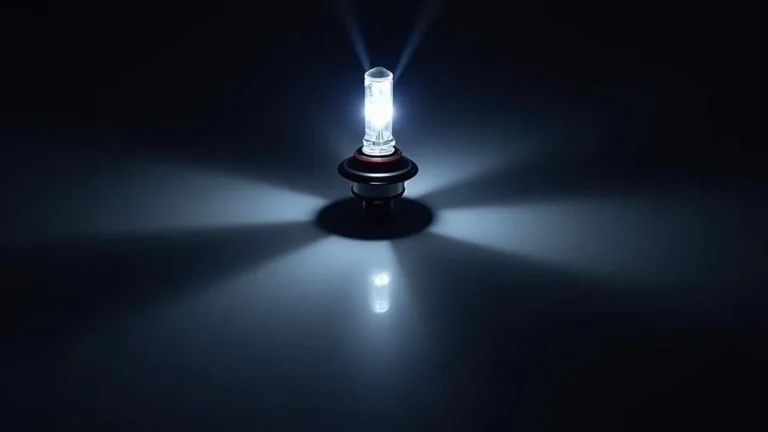
Xenon headlights, also sometimes called High-Intensity Discharge (HID) lights, are a type of car headlight that offers a brighter and wider beam compared to traditional halogen headlights. This increased brightness improves visibility, especially at night or in bad weather. Instead of using a filament like halogen bulbs, xenon headlights use a gas-discharge system. This system involves an electric arc jumping between two electrodes inside a glass bulb filled with xenon gas and metal salts. This process creates the intense light output. Xenon headlights have become popular because of their improved light output, efficiency, and longer lifespan compared to older headlight technologies.
How Xenon Headlights Function
The core function of a xenon headlight involves a controlled electrical discharge. This discharge occurs within a sealed capsule containing xenon gas and metal halide salts. When power is applied, a high-voltage current jumps across two electrodes, creating an arc. This arc excites the xenon gas and vaporizes the metal halide salts. The interaction of the excited gas and salts generates a bright, intense light. The entire process is housed within a sturdy glass bulb to ensure safety and durability. This technology allows for significant light output using less energy than traditional halogen bulbs.
- Electric Arc: The main element is the creation of an electric arc. Two electrodes inside the bulb are the start of the process, producing light.
- Xenon Gas: Xenon gas is present inside the bulb. It helps to initiate and maintain the arc, contributing to the bright, white light.
- Metal Halide Salts: Metal halide salts are also key. These salts vaporize when heated by the arc, adding to the light’s color and intensity. They help give xenon lights their distinctive appearance.
- Ballast: The ballast is an important component. It provides the high voltage needed to start the arc and then regulates the current. It ensures the light remains consistent.
Here’s how a xenon headlight works step-by-step:
- The car’s electrical system sends power to the ballast.
- The ballast boosts the voltage to start the arc.
- High voltage jumps between the electrodes.
- Xenon gas and metal halide salts create a bright, white light.
- The ballast regulates the power, keeping the light stable.
Comparing Xenon to Halogen Headlights
Halogen headlights use a filament that glows when electricity passes through it, similar to an older light bulb. Xenon headlights use an electric arc to produce light. This difference leads to different performance characteristics. Xenon lights are typically brighter, producing more light output and a more focused beam. This results in better visibility, especially at night. Halogen lights are generally cheaper to produce and replace, but they have a shorter lifespan and use more power. Xenon lights, though initially more expensive, often last longer and consume less power, offering an efficiency benefit.
| Feature | Xenon Headlights | Halogen Headlights |
|---|---|---|
| Light Source | Electric arc with xenon gas | Filament |
| Brightness | Higher (brighter) | Lower |
| Lifespan | Longer | Shorter |
| Power Consumption | Lower | Higher |
| Cost | Higher (initial) | Lower (initial) |
Benefits of Choosing Xenon Headlights
Selecting xenon headlights brings several advantages. They provide improved visibility, making driving safer, especially in low-light conditions. Their brighter light allows drivers to see farther down the road and react more quickly to obstacles. Xenon lights also often offer a longer lifespan than halogen bulbs, reducing the frequency of replacements. Another benefit is their efficiency. They consume less power for a greater light output. This can improve a car’s overall energy efficiency. Many drivers also appreciate the more modern appearance of xenon headlights, which can enhance a vehicle’s aesthetic appeal.
Improved Visibility and Safety
One primary benefit is improved visibility. The intense light output of xenon headlights greatly enhances the driver’s ability to see the road ahead. This is particularly valuable during nighttime driving, in foggy conditions, or during heavy rain. The brighter and wider beam allows for better detection of pedestrians, animals, and other hazards. This early warning can provide critical time to react and avoid potential accidents. This improved visibility is a key factor in boosting overall driving safety and making journeys much less stressful.
- Wider Beam: Xenon headlights typically create a wider beam of light, illuminating a larger area of the road. This helps drivers see objects on the sides of the road.
- Better Color Temperature: The color temperature of xenon lights is often closer to natural daylight. This reduces eye strain during prolonged driving.
- Faster Response: The increased brightness can help drivers react faster to unexpected obstacles. This provides a crucial advantage when immediate action is needed.
- Penetration: Xenon lights can also penetrate fog or rain more efficiently than halogen, maintaining visibility in challenging weather conditions.
Longer Lifespan and Efficiency
Xenon headlights often last much longer than halogen bulbs, reducing the need for frequent replacements. This durability is because they do not have a fragile filament that can break. A typical xenon bulb can last several years, providing substantial cost savings. They are also more energy efficient. They use less power to generate the same or even greater light output compared to halogen options. This efficiency contributes to reduced strain on the car’s electrical system. This can lead to a slight improvement in fuel efficiency.
- Durability: Xenon bulbs are built to last longer. They can withstand vibrations and other conditions.
- Less Frequent Replacements: Their longer lifespan means fewer replacements. This saves both money and time.
- Energy Savings: Despite producing more light, xenon headlights typically consume less energy than halogen lights.
- Cost-Effectiveness: While the initial cost might be higher, the long lifespan and energy efficiency can result in cost savings over time.
Enhanced Vehicle Appearance
Besides their functional benefits, xenon headlights can give a vehicle a more modern and stylish appearance. The bright, white light is often associated with luxury and high-performance vehicles. This can increase the car’s aesthetic value. The sleek look of the headlights can enhance the overall design and appeal of the car. Many car owners appreciate the upgrade in appearance, seeing it as a way to personalize and improve the look of their vehicles. They add a touch of sophistication to the vehicle’s overall design.
- Modern Look: The bright, white light of xenon headlights gives vehicles a modern and stylish appearance.
- Vehicle Value: Xenon headlights can boost a car’s perceived value.
- Appearance Boost: They can improve a car’s design, enhancing its appeal.
- Customization: They are a common upgrade for car enthusiasts wanting to personalize their vehicles.
Understanding Common Issues with Xenon Headlights
While xenon headlights offer many advantages, there are some potential issues to be aware of. One common problem is that the bulbs can fail over time. Replacing them can be more costly compared to halogen bulbs. Another challenge can be the ballast, which is a critical component that can also fail. If the ballast malfunctions, the headlights may not function correctly. Also, the light from xenon headlights can be extremely bright, and if not correctly aimed, they can cause glare for other drivers. This glare can reduce visibility. Proper aiming and maintenance are important. These potential problems are small compared to the safety improvements they provide.
Bulb Failure and Replacement
Xenon bulbs, while long-lasting, can fail eventually. Replacing them can require special tools and knowledge, and the bulbs themselves are generally more expensive than halogen bulbs. The cost of a replacement bulb depends on the vehicle and the specific type of xenon system installed. However, the longer lifespan often offsets the initial higher cost compared to replacing halogen bulbs. It’s usually a good idea to replace bulbs in pairs to maintain consistent light output and color. When a bulb fails, it can impact the safety of the vehicle, so prompt replacement is advised.
Ballast Malfunctions
The ballast is a crucial part of the xenon system. It’s responsible for regulating the voltage required for the bulb to function. Ballast failure can lead to several problems, including the headlights flickering, not turning on at all, or producing a dim light. Replacing a ballast can be a more complex and costly repair than replacing a bulb. Ballast issues may require professional diagnosis and repair, so it’s a good idea to address these issues quickly. You should always consult a trained mechanic to ensure the correct repair and maintenance.
Glare and Aiming
Xenon headlights are extremely bright, and if they are not correctly aimed, they can create glare for other drivers on the road. This glare not only reduces visibility for other drivers but also can be a safety issue. Proper aiming of the headlights is essential to ensure that the light is directed properly and does not interfere with other vehicles. Many modern cars with xenon headlights include automatic leveling systems that help to maintain correct headlight alignment. If you notice excessive glare, it’s essential to have your headlights adjusted by a professional.
Maintaining and Troubleshooting Xenon Headlights
Proper maintenance is key to maximizing the life and performance of your xenon headlights. Regularly check for any signs of damage or wear, such as cracks in the lens or dimming of the light output. Keep the headlight lenses clean to ensure optimal visibility. If you notice any issues with the light output, like flickering or dimming, it could signal a problem. Sometimes, the issue is as simple as a loose connection. Always use the correct replacement bulbs. They are designed specifically for your vehicle to avoid any safety hazards. Following these guidelines ensures they perform reliably and safely.
Cleaning and Inspection
Regular cleaning is a simple but important aspect of maintaining your xenon headlights. Dirt, dust, and debris can reduce light output. They can also affect how well the headlights illuminate the road. Regularly clean the headlight lenses using a suitable cleaning solution and a soft cloth to remove any accumulated grime. Inspect the headlights periodically for any physical damage, such as cracks or chips. Any damage should be addressed immediately, as it can affect the headlight’s performance and potentially cause safety issues. Proper cleaning and inspection will help your lights provide optimal performance.
Troubleshooting Common Issues
If you experience any issues with your xenon headlights, such as flickering or dimming, begin with some basic troubleshooting. First, check the bulbs to ensure they are securely seated. Loose connections can often cause flickering or intermittent operation. Examine the wiring and connectors for any signs of damage or corrosion. If the problem persists, it may be necessary to check the ballast, which can be the source of these issues. A multimeter can be used to test the voltage to the ballast. If you are not familiar with electrical repairs, it is always a good idea to consult a professional mechanic.
Replacement and Upgrades
When replacing xenon bulbs, always use bulbs of the correct type and specifications for your vehicle. Using the wrong type of bulb can compromise performance and safety. When considering upgrades, you can often find bulbs with different color temperatures. This can alter the appearance of your headlights. Be aware that changes to color temperature can affect visibility, so consider the impact of any changes. Ensure any upgrades are legal and comply with local regulations. Always follow the manufacturer’s recommendations for bulb replacement.
Did you know?
According to the National Highway Traffic Safety Administration (NHTSA), properly aimed headlights can significantly reduce nighttime accidents.
In a study conducted by the Insurance Institute for Highway Safety (IIHS), vehicles with better headlights were involved in fewer crashes.
Frequently Asked Questions
Question: Are xenon headlights the same as HID headlights?
Answer: Yes, xenon headlights are often referred to as HID (High-Intensity Discharge) headlights. They use the same technology and produce a similar bright light.
Question: Can I
Answer: It is possible, but it usually involves modifications to your car’s electrical system and the installation of a ballast. It’s often easier to simply purchase a car with xenon headlights.
Question: How long do xenon headlights usually last?
Answer: Xenon headlights typically last for several years, often much longer than halogen bulbs, which helps reduce the need for replacements.
Question: Are xenon headlights legal?
Answer: Xenon headlights are legal, but they must meet specific standards and regulations, including proper aiming to avoid glare. Ensure the installed lights are compliant.
Question: What’s the difference between xenon and LED headlights?
Answer: Xenon headlights use a gas discharge system, while LED headlights use light-emitting diodes. LEDs are very efficient, and both are brighter than halogen lights.
Final Thoughts
So, we’ve explored what are xenon headlights. They’re a step up from older technologies, offering increased brightness and better visibility. We looked at how they work, the advantages they offer, and some common problems that might occur. From safety to appearance, xenon lights can make a big difference on the road. Remember to keep an eye on your lights, and take care of any problems immediately. If you’re looking for an upgrade, or considering a car with them, you now know the basics! With the right knowledge, you can keep your headlights shining bright and your drives safe. Drive safely!