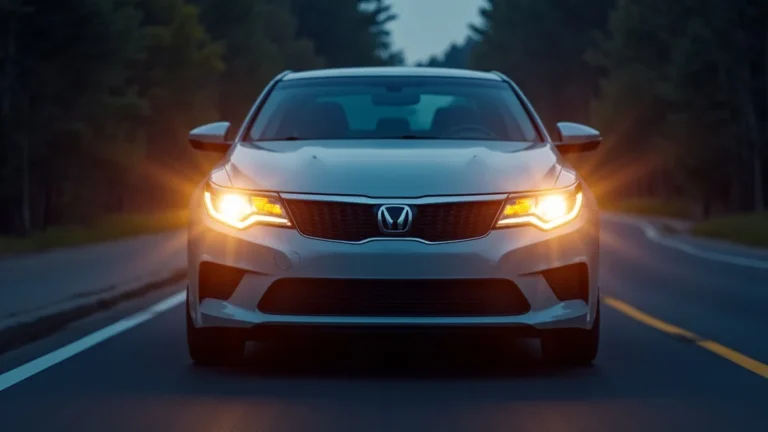
How to Change LED Headlight Bulb: A Simple Guide
Figuring out how to change led headlight bulb can feel tricky at first. Many people find it confusing because car designs differ and some LED headlight bulbs have special parts. But don’t worry! This guide breaks down the process into easy steps. We’ll explore the basics and give you a straightforward plan to get the job done. Keep reading to learn everything you need to know and quickly install your new LED headlight bulbs.
What You Need Before Starting
Before you even think about touching your car, it’s key to make sure you’re ready. This means having the right tools and knowing a little about your car’s headlight system. Knowing what kind of LED headlight bulb you need is also important. Different car models use different bulbs, so you have to make sure you have the correct type. Check your owner’s manual or look at the old bulb to make sure you get the right replacement. Additionally, safety is very important. Working on your car can be dangerous, so you’ll want to take steps to stay safe. Let’s explore what you will need for this process.
Gathering Your Tools and Supplies
Getting ready means getting the correct tools. You will need a few common items to take apart your headlight assembly and put the new LED headlight bulb in place. The exact tools needed will depend on your specific car model, but here’s a general list. You will need a screwdriver set (both flathead and Phillips head), a pair of gloves to protect your hands, and a socket set with the correct size sockets for your car. A pair of pliers can come in handy for removing clips or connectors. Don’t forget to grab your new LED headlight bulbs. It’s also helpful to have a flashlight to see what you’re doing, especially if you’re working in a poorly lit area.
- Screwdrivers: You’ll likely need both a flathead and Phillips head screwdriver for various screws and clips.
- Socket Set: This will help you remove bolts that hold the headlight assembly in place.
- Gloves: These are important to keep your hands clean and to protect the LED headlight bulb from any oils that could damage it.
- Flashlight: A good flashlight is important to help you see where everything is, especially in a dark garage or at night.
Before starting, it’s also a good idea to have some tape handy. You might need it to secure parts or label wires. Having a clean cloth or paper towels is also helpful for cleaning up any dirt or spills. Make sure your workspace is clear and well-lit. And finally, always have your car’s owner’s manual nearby. It can provide helpful information specific to your vehicle.
Understanding Your Vehicle’s Headlight System
Familiarizing yourself with your car’s headlight system before you begin can save you time and headaches. Most cars have headlight assemblies that are mounted to the front of the car. These assemblies house the headlight bulb, the reflector, and sometimes the lenses. The headlight system’s design varies depending on the car’s make and model. Some cars have simple systems with easy-to-access bulbs, while others have more complex designs that require you to remove parts of the car to reach the bulb. The car manual usually has diagrams and step-by-step instructions for changing bulbs. Look at these diagrams to figure out how to take apart the headlight. These diagrams can also show you how the headlight assembly is held in place. They usually tell you how to reach the bulb and avoid damaging other parts of your car.
- Headlight Assembly: This is the housing that holds the bulb, reflector, and lens.
- Wiring Harness: This is the set of wires that connects the headlight to your car’s electrical system.
- Retaining Clips or Connectors: These hold the bulb in place within the headlight assembly.
It’s important to know the location of these parts before you start working. Knowing these parts will make the job much easier. Many cars have a plastic cover or shield that you must remove before you can access the headlight bulb. This can often be removed by using a screwdriver to unfasten a few screws. Once you’re familiar with these elements, you’ll be well-prepared to tackle the process of installing your new LED headlight bulb.
Step-by-Step Guide to Replacing LED Headlight Bulbs
Let’s dive into the core of the task: learning how to change led headlight bulb in your car. This process can be divided into several simple steps, which you can follow to successfully change your LED headlight bulbs. The key is to take your time, pay close attention to the details, and double-check your work. You’ll likely find that with a bit of patience, the job is simpler than it seems.
Preparing Your Vehicle for Bulb Replacement
The first step is to prepare your vehicle. This includes ensuring your car is parked safely, turning off the engine, and taking other safety precautions. You need to make sure you have enough space to work around the car. It is important to prevent accidental starts, which can cause serious injuries. Additionally, safety is very important when doing any kind of car repair. Finally, you also need to make sure you have everything ready. This will involve gathering all your tools, checking the new bulbs, and locating the headlight assembly. Careful preparation will guarantee a smooth process and help avoid any issues during installation.
- Park on a Level Surface: This makes the job easier and safer.
- Turn Off the Engine and Remove the Key: This ensures the car’s electrical system is off.
- Engage the Parking Brake: This will prevent the car from rolling.
- Locate the Headlight Assembly: Refer to your owner’s manual to find it.
Before you begin, inspect the area around the headlight assembly. Look for any obstacles that might get in the way. Also, if your car has any protective covers, such as plastic shields, take these off first. You may need to use a screwdriver to remove these covers. Remove any parts that block your access to the headlight assembly. Some cars might require you to remove the bumper. Always consult your car’s manual for specific instructions for your vehicle model. Make sure to keep the screws and clips in a safe place so they don’t get lost.
Removing the Old Headlight Bulb
Once you’ve prepped your car, the next step involves removing the old headlight bulb. This is where you actually take out the broken or dim bulb. This step needs a careful touch because you don’t want to break anything or damage the other parts of your car. Different cars have different methods of how to get at the bulb, so check your owner’s manual again if you are unsure. Most headlight bulbs are held in place with clips or retainers. Once you’ve located the bulb, you’ll need to disconnect the electrical connector before you can remove it. When dealing with the electrical components, handle them gently. Once the connector is off, remove the old bulb from its housing. Here’s a quick guide.
- Disconnect the Electrical Connector: This is often done by squeezing a tab or pressing a button.
- Remove the Retaining Clips: These usually come off with a simple squeeze or twist.
- Carefully Take Out the Bulb: Be gentle to avoid breaking the glass (if it is not an LED).
When removing the bulb, be cautious not to touch the glass part with your bare hands (for non-LED bulbs). The oils from your skin can cause the bulb to fail prematurely. If you do accidentally touch it, clean it with a bit of rubbing alcohol. In some cars, you may have to remove the headlight assembly before you can remove the bulb. Take pictures as you take the headlight apart. This helps you remember where everything goes. Always keep the old bulb; you might need it for reference.
Installing the New LED Headlight Bulb
After getting rid of the old bulb, now is the time to put in your new LED headlight bulb. The new LED headlight bulbs need to fit correctly in your headlight assembly. Make sure the base and the connection points line up with the old bulb. Be careful when handling the new bulb and avoid touching any of the glass (if it has glass) with your bare hands. Once the new bulb is in place, you must attach it with the clips or retainers. Then, plug in the electrical connector. Once the new bulb is securely in place, test it to make sure it works.
- Insert the New Bulb: Line it up with the existing connectors.
- Secure the Bulb: Use the retaining clips to hold it firmly in place.
- Reconnect the Electrical Connector: Make sure it clicks securely.
You need to be sure that the LED headlight bulb is seated correctly. If the bulb is not properly seated, it might not work, or it could cause damage to the headlight assembly. Ensure you securely attach the retaining clips or connectors to keep the bulb in place. Plug the electrical connector back in and make sure it is connected securely. After you insert the bulb and attach the connector, it’s a good idea to test the bulb. Turn on your headlights to ensure the new bulb is working correctly. This will help you know the new bulb is installed properly. Then, you can replace any parts you removed during the initial step.
Testing and Finalizing the Installation
Testing your new LED headlight bulb is a must-do to ensure the installation was successful. After putting the new bulb in, turn on your car’s headlights and check if the bulb turns on. If it does not, you may need to adjust the bulb or check the electrical connections. Besides just turning it on, check the beam pattern to ensure it’s correct. Check to see if the lights shine where they’re supposed to. Check that the light is not pointing too high, which could blind other drivers. Lastly, put everything back together, including any covers or parts you removed during the initial step.
- Turn On Headlights: Make sure the new bulb works.
- Check the Beam Pattern: See that the light shines correctly.
- Reassemble the Headlight Assembly: Put back all removed parts.
If everything seems to be working well, you can now reassemble the headlight assembly. This involves putting back any covers, screws, and clips. Make sure all parts are secured properly to ensure that the headlight assembly is protected from the elements. Also, be sure to clean the lenses. Once you have reassembled the headlights, make another test to make sure everything works correctly. Once the new LED headlight bulb works, you can get ready to drive again. If you’re not comfortable doing any of this, don’t hesitate to seek out help from a professional.
Advanced Troubleshooting and Considerations
If you have any problems or need further help, knowing some advanced troubleshooting tips can be very useful. Sometimes, even when you follow the steps, things might not go as planned. You might face certain issues when installing LED headlight bulbs. It is important to know what these problems might be and how to fix them. Let’s delve into some common problems, along with ideas on what to do.
Common Problems and Solutions
Sometimes, things go wrong when you’re working on your car. You might encounter problems like the LED bulb not working, or the beam pattern may not be right. You can usually fix these issues by working through the steps. Common issues involve problems with the electrical connections. The bulb might not light up because the connector isn’t attached properly or there is a blown fuse. Other issues might have to do with the bulb. For instance, the LED bulb may not sit correctly in the housing. Always check the bulbs’ placement in the housing before you attach the retaining clip. Some people also have issues with flickering lights, or their lights may be too bright.
- Bulb Doesn’t Light Up: Check the connections, fuse, and the bulb itself.
- Flickering Lights: This can be due to an issue with the car’s electrical system.
- Incorrect Beam Pattern: Adjust the bulb’s position or the headlight’s aim.
- Too Bright: Make sure you have the correct type of LED bulb for your car.
If you have problems with the electrical system, check your car’s fuses. If a fuse is blown,
Upgrading to LED Headlights
When you decide to upgrade to LED headlight bulbs, you’ll see a lot of benefits. LED headlight bulbs are brighter and more energy-efficient than traditional halogen bulbs. Also, they last a lot longer. You’ll be able to see better at night, which increases your safety. However, when you change to LED bulbs, you should think about other things, too. Consider whether the new bulbs are compatible with your car’s electrical system and whether you need any extra parts. Moreover, you should make sure the new lights do not disturb other drivers by causing glare. Here’s a quick view of the pros and cons.
- Brighter Light: LEDs provide improved visibility on the road.
- Longer Lifespan: LEDs last much longer than halogen bulbs.
- Energy Efficiency: LEDs use less energy, which can save fuel.
Before you buy new LED headlight bulbs, check that they’ll work with your car. Some cars need additional parts, such as resistors or adapters, to work correctly with LED bulbs. When picking LED headlight bulbs, consider the brightness level and color temperature. Choose bulbs that fit your driving needs. Finally, make sure the installation is done properly to avoid any problems. Take your time, read all of the instructions, and follow all of the safety steps. LED headlight bulbs can offer a noticeable improvement in your car’s lighting, making night driving safer and more enjoyable.
Frequently Asked Questions
Question: Can I install LED headlight bulbs myself?
Answer: Yes, in many cases, you can install LED headlight bulbs yourself. The process involves some basic tools and following the steps in this guide. However, if you are not comfortable working on your car or unsure about the process, it’s a good idea to seek help from a professional mechanic.
Question: What tools do I need to change an LED headlight bulb?
Answer: You’ll typically need a set of screwdrivers (flathead and Phillips head), a socket set, gloves, a flashlight, and possibly pliers. The exact tools needed will depend on your car model. Always check your car’s manual for specific tool recommendations.
Question: How do I know which LED headlight bulb to buy?
Answer: To know which LED headlight bulb to buy, check your car’s owner’s manual or the old bulb itself. The manual will show you the correct bulb type for your car model. Be sure to buy the correct type. Make sure the new bulb is the same type as the old bulb.
Question: What should I do if my new LED headlight bulb isn’t working?
Answer: If your new LED headlight bulb doesn’t work, first check the electrical connections. Ensure the connector is attached securely. Also check the fuse related to your headlights. Make sure the bulb is correctly seated in the housing. If these steps don’t fix the problem, you might need to consult a professional.
Question: Are LED headlights better than halogen headlights?
Answer: Yes, LED headlights generally offer several advantages over halogen headlights. They are brighter, more energy-efficient, and have a longer lifespan. This means you’ll have better visibility at night, which is a key safety feature.
Final Thoughts
Now that you’ve explored the process of how to change led headlight bulb, you know the process is easily achievable. You’ve discovered the tools you will need, the importance of knowing your car’s system, and the step-by-step methods for getting the job done. This should give you confidence to tackle this simple car repair. Always remember to prioritize safety and double-check your work. Be sure you know what to do if you have any problems. By taking it slow and being careful, you can successfully