Are HID or LED Headlights Better? A Simple Guide
Picture this: you’re driving home late, and your headlights just aren’t cutting it. You can barely see the road! It’s frustrating and, honestly, a little scary. You’ve probably wondered about upgrading your car’s lights, and the choices can be confusing. This post cuts through the tech talk and explains whether are HID or LED headlights better for you. We’ll break down how each type works, what they offer, and which might be the best pick for your driving needs. By the end, you’ll know exactly which headlights will light up your night driving, increasing your visibility and making your car safer.
Headlight Tech Explained: HID vs LED
The core difference between HID and LED headlights lies in how they produce light. Think of it like comparing a traditional lightbulb to a modern one. One uses an older technology, while the other is the new kid on the block. Understanding the basics helps you appreciate the pros and cons of each.
How HID Headlights Work
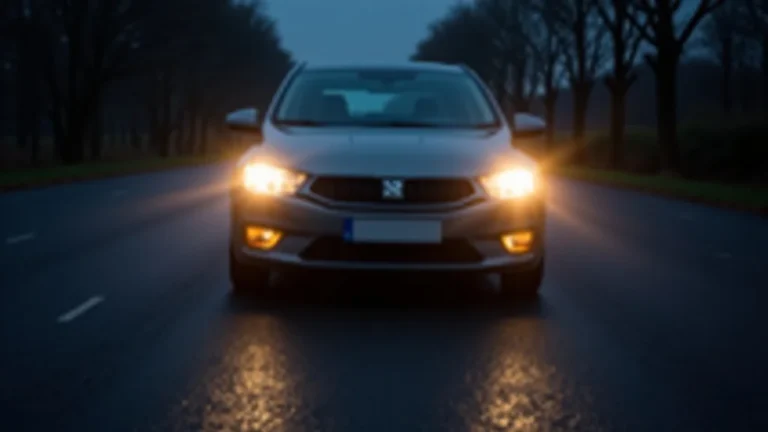
HID, which stands for High-Intensity Discharge, headlights operate using a process called arc discharge. Inside an HID bulb, there’s a capsule filled with gases like xenon and metal halides. When you turn on your headlights, a high-voltage electrical current jumps across two electrodes within the bulb. This jump creates an electrical arc, similar to a tiny lightning bolt. The arc heats the gases, causing them to become plasma and emit a bright light. The xenon gas is crucial, as it helps initiate the arc and contributes to the light’s color. The metal halides add to the brightness and influence the color temperature. These bulbs usually produce a bluish-white light, which many drivers find visually appealing and effective.
The initial startup process for HID headlights takes a bit longer compared to LEDs. They need a few seconds to warm up and reach their full brightness. Also, HID headlights require a ballast. This is an electronic component that regulates the voltage supplied to the bulb, ensuring it operates correctly and safely. Ballasts are crucial for HID systems to function properly. Without them, the bulbs wouldn’t ignite or produce light effectively.
- Arc Discharge Process: HID headlights generate light through an electrical arc, heating gases to produce intense illumination.
- Xenon and Metal Halides: The combination of xenon and metal halides within the bulb contributes to the light’s color and brightness.
- Ballast Requirement: A ballast is essential to regulate voltage and ensure safe and efficient operation of HID bulbs.
LED Headlight Technology Unveiled
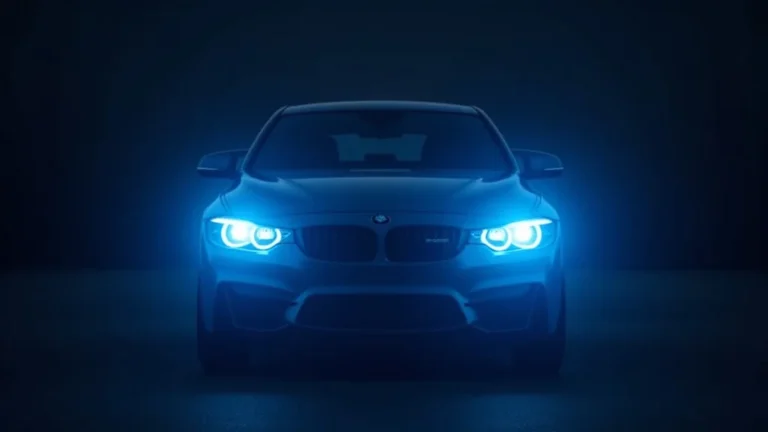
LED headlights, or Light Emitting Diode headlights, use a different method to create illumination. Instead of an arc, they utilize semiconductor diodes that emit light when electricity passes through them. When a voltage is applied, electrons move within the semiconductor material, releasing energy in the form of photons. These photons are what we see as light. LED headlights often have a longer lifespan than HID headlights. They’re also known for their energy efficiency, converting more electricity into light and producing less heat. This efficiency contributes to their popularity as a modern headlight solution.
LEDs can be designed in various shapes and sizes, giving designers greater freedom in vehicle headlight styles. LEDs can also turn on and off almost instantly, a benefit over the warm-up period required by HID bulbs. The light produced by an LED headlight is typically a bright white or slightly yellow, often providing good visibility. LED technology also allows for different color temperatures, enabling manufacturers to fine-tune the light’s appearance. The instant-on capability makes LED headlights ideal for flashing and signaling, offering enhanced responsiveness.
- Semiconductor Diodes: LED headlights use semiconductors to emit light when electricity passes through them.
- Energy Efficiency: LED lights are energy-efficient, converting a higher percentage of electricity into light.
- Instant Illumination: LEDs turn on and off quickly, providing immediate light compared to HID’s warm-up time.
Brightness and Light Distribution: Making the Right Choice
When picking new headlights, you want to see the road clearly and make sure other drivers can see you. The brightness and how the light spreads out are key factors. We’ll look at how HID and LED headlights perform in these areas and what that means for your driving experience. Understanding this will help you choose the best headlights for safety and visibility.
Lumen Output and Intensity
Lumen output measures the total amount of visible light emitted by a light source. The higher the lumens, the brighter the light. HID headlights are known for having a high lumen output, meaning they can produce very bright light. Their brightness can be a significant advantage, especially on dark roads or in areas with poor visibility. However, high brightness alone isn’t everything; the way that light is distributed is also important.
LED headlights also deliver high lumen outputs, often comparable to HID lights. The quality of the LED chips and the design of the headlight system affect the actual brightness seen on the road. The efficiency of LEDs means they can produce a lot of light while using less power. This can be beneficial for the vehicle’s electrical system, putting less strain on the battery and alternator.
- Brightness Measurement: Lumens measure the total amount of light emitted by the headlight.
- HID Lumen Output: HID headlights generally have a high lumen output, making them bright.
- LED Lumen Output: LED lights provide high lumen outputs, often matching or exceeding HID lights.
Beam Patterns and Light Spread
Beam patterns are how the light from your headlights is spread out onto the road. A good beam pattern should illuminate the road ahead, to the sides, and ideally, down the road to maximize visibility. It should also minimize glare for oncoming drivers. HID headlights typically use reflectors and lenses to control their beam patterns. The design of these components significantly affects how the light is distributed. Some HID systems are designed to focus the light in a specific direction, providing a concentrated beam for long-distance visibility.
LED headlights allow for more precise control over the beam pattern. The way LEDs are arranged and the use of lenses and reflectors can create different beam patterns, tailored to specific driving conditions. Some LED headlights are designed with multiple LEDs that can be controlled individually, allowing for adaptive beam patterns. These adaptive systems can adjust the light distribution depending on your speed and the surrounding environment, enhancing visibility without blinding other drivers.
- Beam Pattern Purpose: Controls how the light from the headlights is distributed on the road.
- HID Beam Control: HID headlights use reflectors and lenses to manage light distribution.
- LED Beam Control: LED lights offer more control, with the ability to create customized and adaptive beam patterns.
Durability and Lifespan: Longevity Matters
Nobody wants to change their headlights often. The life of your headlights affects the cost and effort of maintenance. Understanding how HID and LED headlights compare in durability and lifespan is essential. This will help you plan for the long-term use and performance of your headlights. Choosing the right headlights can save you time and money and provide you with better reliability.
HID Headlight Lifespan
HID headlights have a shorter lifespan compared to LED headlights. The lifespan of an HID bulb is usually around 2,000 to 3,000 hours. The lifespan can vary based on several factors, including the quality of the bulb and how often the headlights are used. Because HID bulbs use an arc discharge, they generate a lot of heat, which can gradually degrade the materials over time. Over time, the light output of an HID bulb decreases. They may start to produce less light, which reduces visibility. Regular use, especially at night or in challenging conditions, can shorten the bulb’s lifespan.
Replacing HID bulbs can be more expensive than changing out LED bulbs. You might need to replace both bulbs at the same time to ensure even illumination. Ballasts are another consideration. While HID bulbs have a certain lifespan, ballasts can also fail. Ballasts are critical components that regulate the electricity supplied to the bulb. When a ballast fails, it can render the headlight inoperable, requiring repair or replacement. This adds to the maintenance costs of HID systems.
- Lifespan Range: HID bulbs typically last between 2,000 and 3,000 hours.
- Heat Impact: High heat production affects the longevity of HID bulbs.
- Replacement Cost: HID bulb replacement can be more expensive, especially if ballasts also need repair.
LED Headlight Durability
LED headlights are generally much more durable than HID headlights. LEDs have a longer lifespan, often lasting 30,000 to 50,000 hours or more. The robust construction and the fact that they produce less heat make them more durable. LEDs are less likely to be damaged by vibrations or impacts. Their solid-state design makes them resilient against road conditions and typical driving stressors. The longer lifespan is a great advantage. It means fewer replacements and less maintenance over the life of your vehicle.
LEDs usually maintain their brightness over their lifespan. Although the light output might slightly diminish over time, it’s a gradual process. The reduction is far less noticeable than with HID bulbs. In LED systems, the electronic components, such as drivers, are more reliable and can last longer. While these components can fail, they are generally designed to withstand the life expectancy of the LEDs themselves. LED headlights also tend to be more resistant to damage from temperature changes or moisture. This improves their reliability in varying weather conditions.
- Lifespan: LED headlights can last 30,000 to 50,000 hours or more.
- Heat and Vibration: Less heat generation and a robust design increase LED durability.
- Maintenance: Their long lifespan reduces the need for frequent replacement.
Cost and Energy Efficiency
The cost of headlights is a major factor. You need to consider the initial cost, maintenance costs, and energy usage. Energy efficiency contributes to the vehicle’s overall performance. Understanding these elements will help you make a smart and economical decision. You will gain insight into how HID and LED headlights affect your wallet and your car’s efficiency.
Upfront and Maintenance Costs
HID headlights may have a lower initial cost than LED headlights. However, the price difference has decreased significantly as LED technology has become more common. HID bulbs are typically less expensive to purchase initially. You might find that the cost of replacing HID bulbs is lower than a set of LED headlights. The lower upfront cost can be attractive. Over time, HID systems can become more expensive due to the shorter lifespan of the bulbs. You will need to replace them more frequently, leading to higher maintenance costs. Replacing HID components such as ballasts adds to the expenses. Ballasts can fail and require professional replacement, which adds to the overall cost.
LED headlights often have a higher initial cost. But, the extended lifespan of LEDs will reduce the need for
- Initial Price: HID headlights may have a lower initial cost. LED headlights may have a higher initial cost.
- Maintenance Expenses: HID systems have higher maintenance costs due to frequent bulb replacements.
- Long-Term Costs: LED lights’ longer lifespan results in lower long-term maintenance costs.
Energy Consumption
HID headlights use more energy than LED headlights. HID bulbs require a significant amount of power to start the arc and maintain their brightness. This higher power consumption puts a greater load on the vehicle’s electrical system, including the battery and alternator. This increased electrical demand can lead to reduced fuel efficiency. The added load on the electrical system slightly increases the engine’s effort. It results in a marginal decrease in fuel economy.
LED headlights are designed to be very energy-efficient. They convert a higher percentage of electricity into light. LED headlights use less power to produce the same level of brightness. The reduced energy consumption can contribute to improved fuel efficiency. The lower power draw also puts less strain on the vehicle’s electrical system, reducing wear and tear on components like the battery and alternator. They are a great choice for hybrid and electric vehicles, where energy efficiency is a priority.
- Energy Usage: HID headlights consume more power than LED headlights.
- Efficiency: LED headlights use less power to produce light.
- Fuel Efficiency: LED headlights contribute to better fuel economy due to lower energy demand.
Are HID or LED Headlights Better: Which Is Right for You?
Now that you know how HID and LED headlights stack up, let’s explore which option might be the best for your driving needs. Considering your typical driving conditions and how important factors like budget and vehicle type are, will help you pick the best choice. This will make sure you get the best performance and value for your money.
Factors to Consider
Before making a decision, think about your driving habits and environment. If you do a lot of night driving or drive in areas with poor lighting, brighter headlights are vital. If you frequently drive in foggy or rainy conditions, you might prioritize light color and beam patterns that cut through the weather. The type of vehicle you drive also matters. Some vehicles are designed with specific headlight systems, and modifications might not be easy or cost-effective. Assess your budget to include the upfront cost of the headlights and potential maintenance expenses. Some drivers prefer a cool, crisp light color. Others are more concerned with energy efficiency or the lifespan of the headlights.
- Driving Conditions: Consider your typical driving environment, including road conditions, lighting, and weather.
- Vehicle Compatibility: Check your vehicle’s existing headlight system and the ease of upgrade or modification.
- Budget: Evaluate the initial cost, potential maintenance expenses, and long-term costs of each option.
Making the Right Choice
If budget is a significant concern and you want a brighter light source for a lower initial cost, HID headlights might seem appealing. Just remember the increased maintenance over time. For drivers who want better visibility, especially in dark conditions, LED headlights are a smart choice. Their bright, focused light and adaptive beam patterns offer a distinct advantage. If you want durability and a long-lasting solution, LEDs are the clear winner. They can last many years, reducing the need for replacements and minimizing hassle. For environmentally conscious drivers, LED headlights’ energy efficiency makes them the greener option, helping to lower fuel consumption.
For example, imagine a truck driver who spends many hours on the road in remote areas. For this driver, LED headlights would provide greater visibility and potentially reduce fatigue from driving at night. A commuter who drives in city traffic might benefit from the instant-on capabilities of LED lights. These benefits make them useful in stop-and-go situations. For drivers with older vehicles, converting to LED headlights might require some additional work. For new car buyers, LEDs are becoming the standard choice due to their overall performance and efficiency.
Frequently Asked Questions
Question: Are HID headlights legal?
Answer: Yes, HID headlights are legal if installed correctly and meet local regulations, which usually involve proper aiming and avoiding excessive glare.
Question: Can I
Answer: Yes, you can usually
Question: Do LED headlights need a ballast?
Answer: No, LED headlights do not need a ballast, unlike HID headlights, which require this component to regulate the power supply.
Question: How long do LED headlights last?
Answer: LED headlights typically last for 30,000 to 50,000 hours, significantly longer than HID or halogen bulbs.
Question: Are there any disadvantages of LED headlights?
Answer: The main disadvantages include the higher initial cost and the potential for needing to purchase additional components or modifications for proper installation.
Final Thoughts
So, which is better: HID or LED headlights? It really depends on what you need. HID headlights offer bright light and can be easier on the wallet initially. LED headlights offer superior brightness, lifespan, and energy efficiency. They are the clear winners if you’re looking for the best performance and long-term value. With their long life and focus on the road ahead, LEDs are a great investment for safety and a better driving experience. Now that you’re armed with the facts, you can explore the options available for your car. Then, hit the road knowing you’re better prepared for the journey ahead!