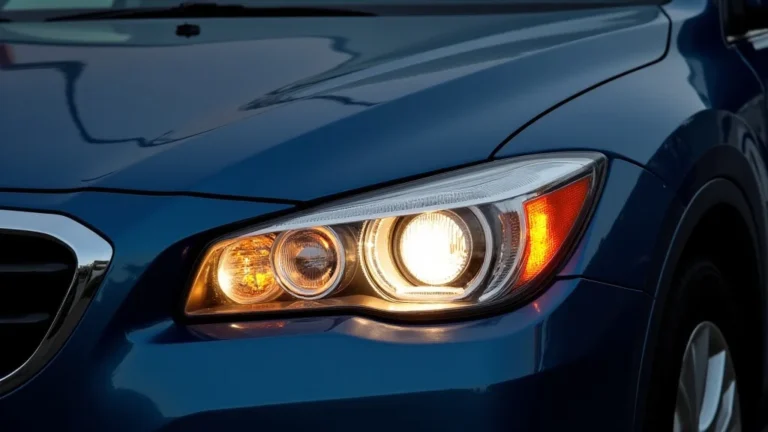
Are Headlights Getting Brighter Exploring Modern Automotive Lighting
Have you noticed how much easier it is to see the road at night these days? It’s probably because of the advancements in automotive lighting. We’ve gone from dim, yellow lights to incredibly bright and efficient headlights. This article will explore the evolution of these important safety features, explaining the technology and its implications. You will learn about different types of headlights, the benefits of brighter lights, and the concerns surrounding them. By the end, you’ll have a clear picture of what’s happening on the road and why you might be seeing things differently. This will help you become a well-informed driver, improving your understanding of vehicle technologies.
The Evolution of Automotive Illumination
The history of automotive lighting is a story of continuous improvement. Early headlights were simple oil lamps, providing minimal illumination. Over time, electric bulbs replaced these, leading to significant enhancements. The journey has seen the progression from basic sealed-beam units to sophisticated systems, driven by a desire for better visibility and safety. This evolution showcases how technological advancements have changed how we see and are seen on the road. The advancements weren’t just about making lights brighter, but also about making them more efficient, more reliable, and better at directing light to where it’s needed.
Early Headlight Technologies
Early automobiles relied on primitive lighting systems. Initially, oil lamps were used, providing very little illumination and requiring constant maintenance. These were quickly replaced by electric incandescent light bulbs. These early bulbs, while a step up, were still not very bright and used a lot of power. They often produced a yellowish light and were relatively inefficient. The focus was on simply making it possible to see anything at night. These early designs set the stage for later developments, showing that safety was linked to improvements in automotive lighting.
- Oil Lamps: The earliest form of automotive lighting, these were unreliable and provided very little visibility.
- Incandescent Bulbs: A significant improvement over oil lamps, but still not very bright or efficient. They generated light by heating a filament.
- Sealed-Beam Headlights: These combined the bulb, reflector, and lens into a single unit, making them easier to replace and more consistent in performance.
- Advantages and Disadvantages: Each step brought some gains, but also had limitations. The journey wasn’t straight, but had many incremental developments.
As technology advanced, several innovations emerged to address the limitations of these early systems. The move from oil lamps to electric bulbs was a giant leap. Sealed-beam headlights became standard for many years, offering consistent performance. Each transition aimed at improving the efficiency, durability, and effectiveness of the lighting. These early technologies established the foundation of current automotive lighting.
Advancements in Reflector Designs
Reflectors play a key role in how well headlights work. Early reflectors were simple, often just reflecting light directly forward. However, this design was inefficient, scattering light and reducing overall brightness. As technology progressed, so did reflector designs. Precise curves and shapes were engineered to direct light beams more effectively. These advancements led to improved light distribution, providing greater visibility. The objective was to increase light output, but to also guide it where it would benefit drivers most.
- Parabolic Reflectors: These use a curved surface to focus light into a single, intense beam, increasing the distance light travels.
- Multifaceted Reflectors: These incorporate multiple small reflectors within a single housing, allowing for more complex light patterns and better distribution.
- Projector Headlights: These use lenses to further refine the light beam, creating a more focused and controlled pattern.
- Light Distribution Optimization: By focusing light properly, these lights offer better visibility at greater distances.
Modern reflector designs have become increasingly sophisticated. Engineering techniques, combined with computerized design tools, allow for the creation of intricate shapes that maximize light output and minimize glare. The development of reflector technology illustrates how even the simplest components can be dramatically improved to enhance overall lighting performance and, subsequently, road safety. This careful manipulation of light is what enables our high-performing headlight systems today.
Modern Headlight Technologies
Current automotive lighting technology represents a major leap forward from early designs. Modern headlights feature advanced technologies such as halogen, HID, LED, and laser systems. Each offers advantages, like increased brightness, longer lifespans, and improved energy efficiency. These systems also include features like adaptive lighting, which adjusts the beam pattern based on driving conditions. This evolution focuses on improving driver visibility and road safety through more advanced light production and distribution.
Halogen, HID, and LED Headlights
Halogen headlights were a significant improvement over incandescent bulbs. They offered brighter light and longer lifespans. High-intensity discharge (HID) headlights, which use xenon gas, provide even brighter and more intense light. Light-emitting diode (LED) headlights have become increasingly popular, offering energy efficiency, long life, and instant illumination. All three of these systems offer improved visibility, but they have distinct differences in how they function.
- Halogen Headlights: These use a tungsten filament within a halogen-filled bulb. They are cost-effective and relatively simple but less bright and efficient compared to other technologies.
- HID (Xenon) Headlights: HID headlights use a xenon gas arc to produce bright, white light. They offer a significant increase in brightness but can require a warm-up period.
- LED Headlights: LEDs are small, energy-efficient diodes that emit light when electricity passes through them. They offer instant-on capabilities, long lifespans, and can be designed in various shapes.
- Performance Comparison: There are trade-offs between cost, brightness, and lifespan. The best choice depends on how the light is being used.
The choice of headlight technology often depends on factors like cost, energy efficiency, and desired brightness. Halogen lights are a budget-friendly option, while HID lights provide high intensity. LED headlights are becoming increasingly common because of their benefits. The use of each technology offers drivers different advantages and features. LED lighting technology is often favored because of its ability to create more interesting and useful designs.
Adaptive Headlight Systems
Adaptive headlight systems represent a further advancement in automotive lighting. These systems adjust the headlight beam pattern based on various factors, such as speed, steering angle, and weather conditions. For example, the beam might widen at lower speeds to illuminate a broader area or focus on the road during high-speed driving. This adaptability improves visibility and helps to reduce glare. This feature is a leap in providing optimal lighting in any driving circumstance.
- Cornering Lights: These lights illuminate the road in the direction the vehicle is turning, providing better visibility around corners.
- Automatic High Beams: These systems automatically switch between high and low beams based on the presence of oncoming vehicles or other light sources, reducing glare and improving driver convenience.
- Speed-Sensitive Lighting: These systems change the beam pattern based on the vehicle’s speed, offering a wider or more focused beam as needed.
- Dynamic Light Distribution: Sophisticated systems can precisely adjust the beam pattern, avoiding glare while maximizing illumination of the road ahead.
Adaptive headlight systems enhance driver safety and convenience by providing tailored illumination. By adjusting the light beam in response to driving conditions, these systems aim to optimize visibility and reduce the risk of accidents. The continued advancement of these technologies highlights the ongoing effort to improve driver safety.
Are Headlights Getting Brighter A Closer Look
The trend towards brighter headlights has sparked conversation about safety and the potential for glare. While brighter lights improve visibility for drivers, they can also cause discomfort and visibility problems for other drivers. This section explores the benefits and drawbacks of brighter headlights, as well as the different factors that influence their effectiveness. The examination includes technical specifications and real-world results.
Benefits of Brighter Headlights
Brighter headlights offer several advantages for drivers. They increase visibility at night and during inclement weather, allowing drivers to see further down the road and react more quickly to hazards. Brighter lights also improve the visibility of the vehicle to others on the road. This combination of improvements can significantly enhance safety by providing better overall road awareness. By improving visibility, these advanced headlights are designed to enhance the ability to safely drive.
- Improved Night Vision: Brighter lights allow drivers to see further into the distance, giving more time to react to any changes in the road.
- Enhanced Visibility in Inclement Weather: The enhanced brightness helps to cut through rain, fog, and snow, making it easier to see and be seen in difficult conditions.
- Increased Detection of Hazards: With more light, drivers can spot pedestrians, animals, and other obstacles on the road.
- Improved Vehicle Conspicuity: Brighter lights help make the vehicle more visible to other drivers, decreasing the chance of collisions.
The benefits of brighter headlights are clear: increased visibility, better reaction times, and improved safety. These advantages are significant for reducing accidents and injuries, especially at night or in adverse weather. Enhanced illumination ensures drivers can maintain their safety margins, improving overall safety.
Drawbacks and Concerns of Brighter Headlights
While brighter headlights have advantages, there are also potential drawbacks. Excessive brightness can cause glare, which can be disorienting and dangerous for oncoming drivers. Poorly aimed headlights or those with a too-high color temperature can exacerbate glare. The concern is about balancing the benefits of increased visibility with the potential for creating unsafe driving conditions for others on the road. The safety of all drivers is the goal.
- Glare: Excessive brightness can cause glare, reducing the vision of other drivers and increasing the risk of accidents.
- Discomfort: Glare can cause discomfort and eye strain, particularly for older drivers or those with light sensitivity.
- Color Temperature: Headlights with a very high color temperature (bluish-white light) can scatter more light, increasing glare.
- Improper Aiming: Headlights that are not properly aimed can shine upwards, causing glare and reducing visibility for everyone.
The potential for glare and discomfort from brighter headlights is a legitimate concern. This has prompted regulations and technology like adaptive headlight systems that aim to mitigate these problems. The goal is to provide adequate illumination without compromising the safety of other road users. It’s about designing solutions that balance visibility improvements with safety.
Regulations and Future Trends
Automotive lighting is subject to regulations designed to ensure safety and performance. These regulations cover aspects like light intensity, beam patterns, and color temperature. The industry is also seeing trends in the development of more advanced, energy-efficient, and adaptive lighting systems. This section outlines the existing rules and offers a glimpse into what we can expect in automotive lighting.
Current Headlight Regulations
Headlight regulations set standards for how headlights should function. These rules ensure that headlights meet minimum brightness requirements while limiting glare and maintaining a standardized approach across all vehicles. The goal is to create safe and consistent lighting for all drivers. There are standards in different regions that control these aspects of vehicle lights.
- Light Intensity Standards: Regulations specify the minimum and maximum brightness levels for headlights to ensure proper visibility.
- Beam Pattern Requirements: Rules govern the shape and distribution of the light beam to minimize glare and maximize illumination of the road.
- Color Temperature Limits: Regulations often limit the color temperature of headlights to prevent excessive glare from bluish-white lights.
- Testing and Certification: Headlights must pass rigorous testing to ensure they meet the regulatory requirements before being sold.
Compliance with headlight regulations is essential for safety. Manufacturers must design and test their headlights to meet the established standards. Regular inspections of vehicles for proper headlight function are also a key part of maintaining road safety. These rules play an important part in the development of headlight systems.
Future Developments in Automotive Lighting
The future of automotive lighting is focused on innovations that improve safety, energy efficiency, and customization. These developments include the use of more advanced LED and laser systems, as well as adaptive lighting that can adjust to different driving conditions. The direction is toward more intelligent lighting systems. This improves safety and adds new design possibilities for vehicle manufacturers.
- Advanced LED and Laser Systems: These technologies offer increased brightness, efficiency, and design flexibility, allowing for more complex and dynamic lighting.
- Adaptive Lighting Systems: Continued advancements in adaptive lighting, including systems that can predict road conditions and adjust the beam pattern, will become more common.
- Connected Lighting: Headlights will likely incorporate connectivity features, allowing them to communicate with other vehicles and infrastructure to improve safety and coordination.
- Personalized Lighting: Customization, allowing drivers to adjust headlight settings to suit their personal preferences and driving conditions, might be a future option.
Future trends in automotive lighting include a move towards more intelligent, efficient, and adaptable systems. These technologies will improve driver visibility, reduce glare, and enhance road safety. The design aspects of vehicle lights are expected to see significant changes as well. This area will likely continue to evolve in the years to come.
Frequently Asked Questions
Question: Are all brighter headlights better?
Answer: Not necessarily. While brighter headlights can enhance visibility, excessive brightness can cause glare and discomfort. It’s crucial that headlights are designed and aimed correctly to balance brightness with safety.
Question: What is color temperature in relation to headlights?
Answer: Color temperature refers to the light’s appearance, measured in Kelvin (K). Lower color temperatures (around 3000K) appear yellow, while higher color temperatures (6000K+) appear blue-white. Higher color temperatures can cause glare.
Question: How can I tell if my headlights are aimed correctly?
Answer: Proper headlight alignment is crucial to avoid glare. If you notice other drivers flashing their lights at you, or if your headlights seem to be shining too high, it’s possible they need adjustment. A mechanic can properly align your lights.
Question: Are LED headlights safer than halogen headlights?
Answer: Generally, yes. LED headlights often provide brighter and more focused light than halogen lights, enhancing visibility and potentially reducing the risk of accidents. However, the quality of both systems matters.
Question: What are adaptive headlights?
Answer: Adaptive headlights adjust the direction or intensity of the light beam based on factors like speed, steering angle, and weather conditions. These systems can provide improved illumination. This also reduces glare for oncoming drivers.
Final Thoughts
The quest to make headlights brighter is a continuing process. From the early days of dim oil lamps to the sophisticated LED and laser systems of today, automotive lighting has come a long way. The focus has always been to enhance driver visibility while reducing risks. While brighter headlights offer advantages, it’s essential to consider the potential for glare and discomfort. As we move forward, regulations, innovative technologies, and intelligent design will be key to creating safer roads for everyone. The best systems will be those that provide clear illumination without hindering the vision of others. You can do your part to help keep roads safe. Make sure your headlights are properly aimed and working correctly. Also, consider the impact your choice of headlight technology has on the safety of others.