Boost Your Headlights: Simple Steps to Brighter Vision
If you’re wondering how can i make my headlights brighter, you’re not alone! Many drivers face this question. It seems tricky at first, but don’t worry. It’s often simpler than you think to improve your visibility at night. We’ll explore easy steps you can take to see the road better. First, let’s explore some basic solutions!
Checking Your Current Headlight Setup
Before jumping into replacements or upgrades, it’s wise to assess your current setup. Many times, the issue isn’t the headlights themselves but rather external factors that affect their performance. This could be anything from the type of bulbs you have to the condition of your headlight lenses. Cleaning and maintaining your headlights is essential for optimal light output, as grime and UV damage can significantly dim the light. This initial assessment saves money and time. It also helps you grasp the current condition before taking any action.
Examining Your Light Bulbs
The type of light bulbs you use is the first area to explore. You need to know your car’s light bulb type, usually found in your owner’s manual or printed on the bulb itself. You have options like halogen, LED, and High-Intensity Discharge (HID) bulbs. Halogen bulbs, the most basic, are budget-friendly. LED bulbs are more energy-efficient and brighter, offering a cleaner, whiter light. HID bulbs, usually xenon, also provide bright light but often require a ballast. Choosing the right bulb depends on your budget and what you need. Think about your driving habits, too, and what best suits your daily routines. Remember, safety first, and choose bulbs that comply with your local regulations!
- Halogen Bulbs: These are the most common and cheapest, often coming standard in many vehicles. They work by heating a filament inside the bulb until it glows, producing light. They emit a yellowish light and have a shorter lifespan compared to LED or HID bulbs. Replacing them is the most straightforward option, and they’re readily available everywhere.
- LED Bulbs: Light Emitting Diode (LED) bulbs use solid-state technology to generate light. They are much more efficient than halogen bulbs, converting a larger percentage of electricity into light. LED bulbs often shine a bright, white light. They also last much longer and consume less power, reducing strain on your car’s electrical system.
- HID Bulbs: High-Intensity Discharge (HID) bulbs, sometimes called Xenon bulbs, contain xenon gas and metal halide salts. When a high voltage is applied, it creates an arc between two electrodes, creating bright light. HID bulbs produce a strong, often bluish-white light. They need a ballast to regulate the voltage.
- Bulb Compatibility: Confirm the bulb size for your vehicle to ensure the new ones fit correctly. Using the wrong size can damage your headlight housing or not function as expected.
Headlight Lens Inspection
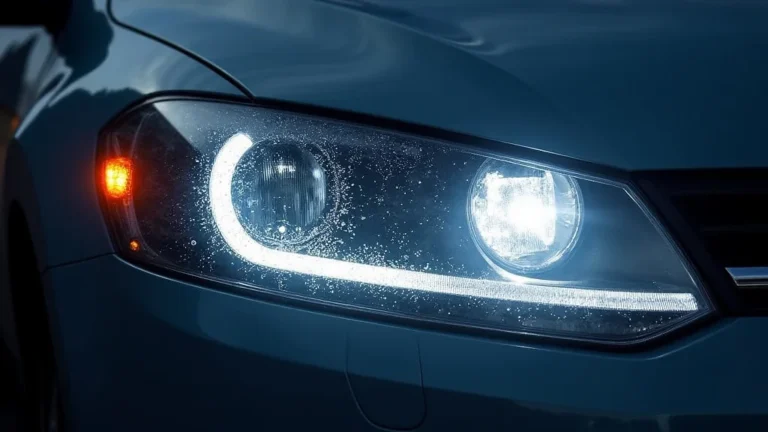
The condition of your headlight lenses greatly affects light output. Over time, plastic lenses can become hazy, yellowed, or scratched due to UV exposure, road debris, and weathering. This significantly reduces the amount of light that passes through. Even if you have the best bulbs, their light will be less effective if the lenses are cloudy. Regularly inspect your lenses for any damage. Cleaning and restoring your lenses can restore a good amount of brightness without replacing your bulbs. Take into account any weather conditions; these can impact the clearness of your lenses.
- Cleaning: Use a specialized headlight cleaner or a mild soap solution and a soft cloth to clean your lenses. Avoid harsh chemicals or abrasive materials that could scratch the plastic. Cleaning removes surface grime, bug residue, and road film.
- Restoring: If your lenses are slightly hazy, a headlight restoration kit can help. These kits usually include a polishing compound and a sealant to remove the top layer of damage and restore clarity. Restore your headlight to its original shine!
- Replacing: If the lenses are severely damaged, replacing them might be the best option. This usually involves replacing the entire headlight assembly. This is more expensive but guarantees the best light output.
- Preventative Measures: Apply a UV protectant to your lenses to help prevent future yellowing and clouding.
Electrical System Check
A well-functioning electrical system is key for bright headlights. Weak or corroded wiring, low voltage from your car’s battery or alternator, or faulty grounding can reduce the power to your headlights, making them dimmer. A faulty electrical system also can also damage your bulbs or cause flickering. You can check these yourself with a multimeter, but an auto mechanic’s service is beneficial here. Checking the electrical system is as necessary as inspecting the bulbs or cleaning the lenses. This check is an essential step.
- Battery Check: Make sure your battery is in good condition. Get it tested to check if it’s holding a charge. A weak battery won’t deliver enough power to the headlights.
- Alternator Inspection: The alternator keeps the battery charged while the engine is running. If your alternator isn’t working correctly, your headlights could be dim. Have an auto repair shop look at the alternator to check its voltage output under load.
- Wiring Inspection: Inspect the headlight wiring for any corrosion or damage. Replace any damaged or corroded wires to ensure good electrical contact. Ensure there are no loose connections.
- Grounding: Check the ground wires. Poor grounding can reduce headlight brightness. Make sure the ground connections are clean and secure. Rust and corrosion build up and can also affect the amount of light output.
Ways to Make Your Headlights Shine Brighter
You can make headlights brighter in various ways, from quick fixes to more complex upgrades. Several approaches are available, depending on your vehicle and what you want to achieve. Each method has its pros and cons, which helps you choose the option that matches your needs and budget. The process is easy if you are informed on the possibilities.
Choosing New Headlight Bulbs
Swapping out your old bulbs is often the easiest and most effective way to make your headlights brighter. The most common upgrade is moving from halogen to LED bulbs. You might also consider HID bulbs if they’re compatible with your vehicle’s system. However, the brightness alone isn’t the only factor; the color temperature of the light can also affect your visibility. Choosing bulbs with the right color temperature can significantly improve your sight and safety while driving, especially at night. It’s necessary to also consider legality and local regulations.
- LED Bulbs: LED bulbs offer a significant upgrade in brightness and efficiency over halogen bulbs. They are available in various styles and brightness levels. Look for LED bulbs that fit your vehicle’s headlight socket. The installation is typically simple.
- HID Bulbs: HID bulbs are much brighter than halogen lights. However, HID bulbs often need a ballast, which regulates the voltage and can be more complex to install. Make sure they’re compatible with your vehicle’s wiring system.
- Color Temperature: The color temperature of a light bulb, measured in Kelvin (K), affects how the light appears. Higher Kelvin ratings produce a bluer light, while lower ratings produce a warmer, yellowish light. Aim for 4300K to 6000K for optimal brightness and visibility.
- Lumens and Brightness: Look at the lumen rating of the bulbs. Lumens measure how much light the bulb produces. Higher lumen ratings mean brighter light. Compare different bulbs to make sure you get the best performance.
Headlight Lens Restoration
If your headlight lenses are cloudy or yellowed, restoring them is a cost-effective way to improve light output. Headlight lens restoration kits usually include abrasive compounds or polishing pads, which remove the outer layer of damaged plastic. These kits come in various price points and can be a DIY task. Headlight restoration is not just about looks, it also ensures that the light from your headlights can pass through the lens clearly, increasing visibility. Always follow the instructions provided with your restoration kit to ensure the best results and avoid damaging your lenses.
- DIY Kits: Many affordable headlight restoration kits are available, containing everything you need. These include sandpaper, polishing compounds, and a sealant. They’re good for minor to moderate clouding. These kits have good instructions.
- Professional Restoration: If your lenses are severely damaged, you can get the job done by a professional. Professionals have special equipment and experience that gives great results.
- Sanding and Polishing: Most kits involve sanding the lens to remove the damaged layer. Then, polish the lens to restore clarity. The final step is applying a sealant to protect the lenses from UV rays and other environmental factors.
- Maintenance: After restoring your headlights, regularly clean them. Apply a UV protectant to help prevent future clouding.
Headlight Upgrades and Conversions
For those seeking significant improvements, a full headlight upgrade or conversion might be the answer. These upgrades can include installing new headlight assemblies, upgrading the wiring harness, or even switching to a different type of headlight system, such as adaptive headlights. A professional installation is recommended. These advanced options may give you the brightest and most modern lighting performance. The investment is higher than other solutions. Ensure any upgrades comply with local regulations.
- New Headlight Assemblies: Replacing the entire headlight assembly can provide significant improvements, especially if your current headlights are old or damaged. New assemblies often include improved reflectors and lenses.
- Upgraded Wiring Harness: Sometimes, the factory wiring in older vehicles isn’t designed to handle the increased power demands of brighter bulbs. An upgraded wiring harness improves the amount of power to your headlights, thus boosting brightness.
- Adaptive Headlights: Adaptive headlights adjust their beam pattern based on the steering angle and speed. This feature helps you see around corners and improve visibility.
- Legal Considerations: Be aware of the regulations in your area regarding headlight upgrades. Some upgrades may not be street-legal. Ensure all modifications comply with local laws to avoid safety issues.
Further Considerations for Optimal Headlight Brightness
Besides the main methods, there are a few extra tips for improving your headlights. These strategies can boost your nighttime visibility. Every step matters, and combined, these steps can have a meaningful effect on your driving safety. These extra steps can also make a difference. These are simple improvements, but they have a large impact on overall safety.
Aiming Your Headlights Correctly
Even the brightest headlights won’t be effective if they’re aimed incorrectly. Misaligned headlights can focus the light too high, low, or to the sides. This leads to poor visibility and can blind other drivers. Correctly aiming your headlights is a simple but important task. Headlight alignment is essential. Adjusting your headlights usually involves using a screwdriver or a specific tool to adjust the aiming screws. Make sure the beams are level and aligned to the correct height and direction. The correct aim gives maximum light on the road.
- Check the Manual: Consult your vehicle’s owner’s manual for instructions. It will tell you where the adjustment screws are located and how to aim your headlights.
- Find a Flat Surface: Park your car on a level surface facing a wall. Measure the distance from the ground to the center of your headlights. Use tape to mark the center of the headlight beam on the wall.
- Adjust the Aim: Use the adjustment screws to align the headlight beam on the marks you made on the wall.
- Professional Adjustment: If you’re unsure how to adjust your headlights, take your car to a mechanic for a professional adjustment.
Maintaining Clean Headlights
Regular maintenance is important for optimal headlight performance. Dirt, dust, and grime can accumulate on your headlights, reducing the light output. Clean your headlights regularly with a mild soap solution and a soft cloth. This ensures that the light from your headlights can pass through clearly, maximizing visibility. Cleaning also removes any surface scratches or debris, which can impact the way light is dispersed. Proper headlight care is also part of overall vehicle safety and performance.
- Regular Cleaning: Clean your headlights as part of your regular car washing routine. Remove dirt, bugs, and other debris. Make cleaning a habit.
- Use Appropriate Cleaners: Avoid harsh chemicals or abrasive cleaners that could damage the headlight lenses. Use car wash soap or a dedicated headlight cleaner.
- Soft Cloths: Use a soft microfiber cloth or sponge to avoid scratching the lenses.
- Inspect Regularly: Regularly inspect your headlights for any damage or clouding that needs attention.
Understanding and Addressing Headlight Problems
Identifying and dealing with common headlight problems is key to maintaining good visibility. This includes recognizing issues such as flickering headlights, burnt-out bulbs, or water buildup inside the headlight housing. Knowing the cause of these problems allows you to address the issues quickly. If left unchecked, these issues can lead to unsafe driving situations. This can also save you money by preventing more complex repairs down the road.
- Flickering Headlights: Flickering headlights usually indicate a problem with the electrical system. It could be due to loose wiring, a failing bulb, or a problem with the alternator. This issue may be dangerous.
- Burnt-Out Bulbs: Burnt-out bulbs are a common problem. Make sure to replace them promptly. Replacing the bulb is the best solution.
- Water in the Headlights: Water inside the headlight housing can cause corrosion and reduce light output. If you see water, you’ll want to inspect the housing and seals for damage.
- Dim Headlights: If your headlights are dimmer than usual, check the bulbs. Also look at the electrical system, and also the lens condition.
Frequently Asked Questions
Question: Can I just use a higher-wattage bulb to make my headlights brighter?
Answer: It’s not usually a good idea. Using higher-wattage bulbs than your car’s wiring is designed for can damage the wiring or headlight housing. It could also void your warranty or cause electrical problems.
Question: Are LED headlights better than halogen?
Answer: Yes, in most cases, LED headlights are better than halogen. LED bulbs are usually brighter, more energy-efficient, and have a longer lifespan than halogen bulbs. They also often provide a whiter light. They’re a simple, great upgrade.
Question: How do I know what type of headlight bulbs my car uses?
Answer: You can find this information in your vehicle’s owner’s manual. The bulb type is also usually printed on the bulb itself. You can also use online resources or visit an auto parts store to find the right bulbs for your car.
Question: How often should I replace my headlight bulbs?
Answer: It depends on the type of bulb. Halogen bulbs generally last about a year or two. LED bulbs can last for several years. HID bulbs also last longer than halogen bulbs. Check the manufacturer’s recommendations for your specific bulbs.
Question: Is it legal to upgrade my headlights?
Answer: The legality of headlight upgrades varies by state and region. Ensure the bulbs comply with local regulations and do not cause glare for other drivers. The safest option is to follow the law and choose parts that align with standards.
Final Thoughts
You can make your headlights brighter with several steps. Inspecting your current lights and choosing the right bulbs, restoring hazy lenses, or installing a new headlight assembly all can improve how well you see the road at night. Regular maintenance, such as cleaning your headlights and ensuring they are aimed correctly, also has a great effect. Now that you’ve explored these options, you can begin to improve the brightness of your headlights. Take steps, test your knowledge, and enjoy a safer and more confident drive!