Are Headlight Bulbs Universal A Comprehensive Guide to Bulbs
Picture this: you’re driving home late, and suddenly, one of your headlights goes out. You pull over, pop the hood, and realize you need a new bulb. But when you get to the auto parts store, you’re faced with a wall of options. Are all the bulbs the same? The question, are headlight bulbs universal, often crosses the minds of many vehicle owners. This guide aims to clear up the confusion. You’ll learn the different bulb types, how to identify the right one for your car, and avoid common mistakes. This information will help you save time, money, and ensure you’re driving safely. By the end, you’ll feel confident about replacing your headlight bulbs.
Headlight Bulb Types and Their Differences
The variety of headlight bulbs might seem overwhelming at first. However, they are all designed to serve the same function: to illuminate the road. The differences lie in their construction, light output, and energy efficiency. Several major bulb types exist, including halogen, HID (High-Intensity Discharge), and LED (Light-Emitting Diode). Each type has unique characteristics that affect how they perform and fit into your car. Knowing the differences helps you select the right bulb for your vehicle and driving needs.
Halogen Bulbs Explained
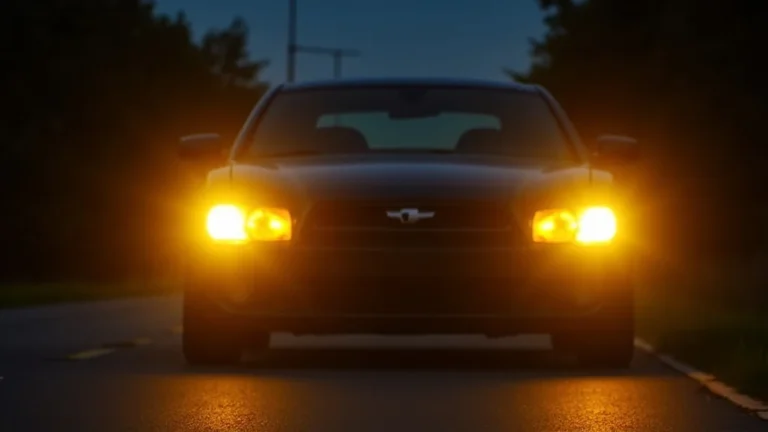
Halogen bulbs are the most common and often the least expensive type of headlight bulb. They work by heating a tungsten filament within a glass capsule filled with halogen gas. When the filament heats up, it produces light. These bulbs are known for their yellowish light and relatively short lifespan. They’re easy to replace and widely available, making them a practical choice for many drivers.
- Construction: Halogen bulbs have a simple design, consisting of a filament, a glass envelope, and a base.
- Light Output: They produce a warm, yellow light.
- Lifespan: Halogen bulbs typically last for several hundred hours of use.
- Cost: They are generally the most affordable option.
Halogen bulbs are a reliable choice for everyday driving. They offer decent visibility in various weather conditions. Their straightforward design makes them simple to install and replace. However, the yellowish light might not be as bright as some other options. They may also need more frequent replacement compared to HID or LED bulbs.
HID Bulbs Defined
HID bulbs, also known as xenon headlights, use an electrical arc instead of a filament to produce light. Inside a glass tube filled with xenon gas, an electrical discharge creates a bright, bluish-white light. HID bulbs offer significantly brighter light than halogen bulbs. They also have a longer lifespan. They require a ballast to regulate the voltage. HID headlights can be more costly, and some vehicles come with them pre-installed.
- Construction: HID bulbs contain xenon gas and metal halide salts within a quartz glass capsule.
- Light Output: They produce a bright, bluish-white light.
- Lifespan: HID bulbs typically last for thousands of hours.
- Cost: They are more expensive than halogen bulbs but less costly than LED bulbs.
HID headlights are popular for their powerful light output. They improve visibility at night and in poor weather. The bright light can illuminate the road farther ahead, enhancing driving safety. However, the initial cost and the need for a ballast may be a consideration.
LED Bulbs Unveiled
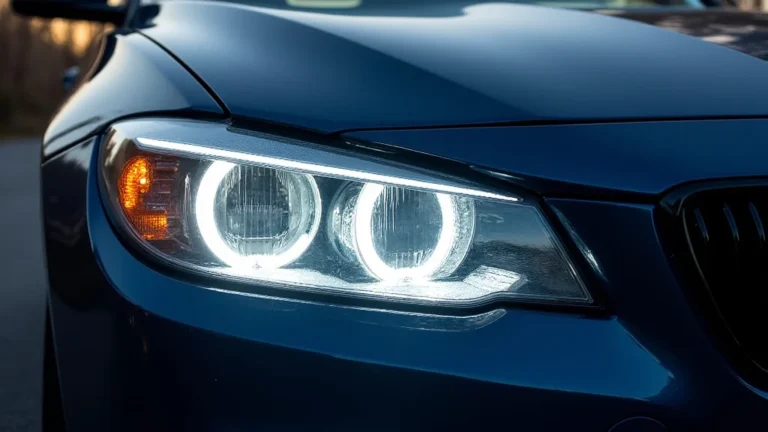
LED headlights are the most advanced type of headlight bulb. They use light-emitting diodes to generate light. LEDs are known for their energy efficiency, long lifespan, and bright, white light. They turn on instantly. LED bulbs are becoming increasingly popular. They are often found in newer vehicles. While they might have a higher initial cost, their long lifespan can save money over time. Their clean, crisp light makes them a good choice for drivers.
- Construction: LED bulbs contain light-emitting diodes mounted on a circuit board.
- Light Output: They produce a bright, white light.
- Lifespan: LED bulbs can last for tens of thousands of hours.
- Cost: They are the most expensive type of headlight bulb initially but can save money in the long run.
LED headlights offer the best combination of brightness, efficiency, and longevity. They provide excellent visibility and improve vehicle appearance. Their instant-on capability enhances safety. Although the initial cost can be higher, their long lifespan and lower energy consumption make them a worthwhile investment. LED technology is quickly becoming the standard in the automotive industry.
Identifying the Right Bulb for Your Vehicle
Knowing which headlight bulb is correct for your vehicle is critical for both safety and proper function. The wrong bulb can lead to poor visibility and can even damage your vehicle’s electrical system. There are several ways to find the correct bulb type. These include consulting your owner’s manual, using online bulb finders, and looking at the existing bulb. Taking the time to properly identify the correct bulb will save you from issues.
Check the Owner’s Manual
The owner’s manual is the best place to start. It contains specific information about your vehicle, including the type of headlight bulbs it uses. The manual often lists the bulb type for both low beam and high beam headlights. It may also provide instructions on how to replace the bulbs. Consulting the manual is the simplest way to ensure you get the right bulbs. Your vehicle’s documentation is a very good first step.
Use Online Bulb Finders
Many websites offer online bulb finders. These tools ask you for the year, make, and model of your vehicle. The search engine then provides a list of compatible bulbs. These finders are simple to use. They take the guesswork out of finding the correct bulb. They are also convenient. Online bulb finders will often suggest different bulb types, such as halogen, HID, and LED, allowing you to choose the one that suits your preferences.
Inspect Your Current Bulbs
If you’re unsure, you can physically inspect the existing bulb. The bulb itself should have a code printed on it, such as H4, H7, or 9006. This code indicates the bulb type. Remove the bulb from the headlight assembly. Then, check for the code stamped on the base or the glass. This method ensures you get an exact match. Note the bulb’s shape and base. Take a photo with your mobile. This helps you compare it with the new bulbs you are considering.
Sample Scenarios
- Scenario 1: You have a 2018 Honda Civic. You consult your owner’s manual and find it uses H11 bulbs for the low beams and HB3 (9005) for the high beams.
- Scenario 2: Your headlight fails. You use an online bulb finder. You enter your car’s information. The website recommends 9006 bulbs for low beam and 9005 for high beam.
Are Headlight Bulbs Universal Across All Cars?
The answer to the question, are headlight bulbs universal, is a resounding no. Headlight bulbs are not universal. Different vehicles require different types of bulbs. These vary depending on the make, model, and year of the car. There is some standardization within each bulb type. For example, all H7 bulbs have the same base and fitment. But different bulb types, like H7 and H4, have different shapes and bases. The wide variety of bulb types ensures that headlights function safely and efficiently in different vehicle designs.
Why There Is No Universal Bulb
The lack of a universal headlight bulb reflects the diverse range of vehicles on the road. Automobile manufacturers have different headlight designs and lighting requirements. They also have varying assembly designs. This is why different bulb types are needed. The size and shape of the headlight housing, the desired light output, and the electrical system of the vehicle all play a role in determining the bulb type. The design of headlights is also subject to safety regulations and vehicle design changes. This contributes to the variety of bulb types.
Bulb Standardization
Although not universal, there is standardization within bulb types. This means that if your car uses an H7 bulb, any H7 bulb will fit. This allows drivers to choose from different brands and features, like halogen, HID, or LED. The standardization helps with the replacement process. It ensures the bulbs fit the headlight assembly correctly. The standardization eases finding a replacement bulb.
Table of Bulb Types and Their Common Uses
| Bulb Type | Common Use | Vehicle Examples |
|---|---|---|
| H4 | Low and high beam (combined) | Older models, some European cars |
| H7 | Low beam or high beam | Many European and Asian cars |
| 9005 (HB3) | High beam or daytime running lights | Common in American and Asian cars |
| 9006 (HB4) | Low beam | Common in American and Asian cars |
| H11 | Low beam or fog lights | Common in many modern vehicles |
The table shows common bulb types and their typical applications. This is not an exhaustive list. Vehicle manufacturers constantly adopt new bulb designs. Always check your owner’s manual or use an online bulb finder for the precise bulb type for your vehicle.
Replacing Your Headlight Bulbs
Replacing your headlight bulbs is a common maintenance task that most drivers can handle. The procedure is typically straightforward. This is especially true for halogen bulbs. Proper replacement ensures that your headlights function correctly. It also ensures you are driving safely. While the exact steps can vary slightly depending on the vehicle, the general process is similar. It involves access, removal, and installation.
Safety First
Before beginning, ensure your vehicle is parked on a level surface. Turn off the engine and remove the key. It is crucial to disconnect the negative terminal of the battery. This prevents any accidental electrical shocks. Allow the headlights to cool down. Halogen bulbs get extremely hot when in use. Wait before touching the bulb. These simple safety steps will reduce your risk of injury.
Accessing the Headlight Assembly
The method of accessing the headlight assembly depends on your vehicle. In some cars, you can reach the back of the headlight from under the hood. Others may require you to remove the headlight assembly. Follow the instructions in your owner’s manual for your vehicle. Locating the back of the headlight assembly is crucial. Once you have access, locate the bulb socket or connector. This process may involve removing covers or retaining clips.
Removing the Old Bulb
Carefully disconnect the electrical connector from the back of the bulb. Then, remove the bulb from the housing. The method of removal varies depending on the bulb type. Some bulbs are held in place with retaining clips. Others may twist and lock into position. Consult your vehicle’s manual if you’re unsure. Gently remove the old bulb. Do not force anything. If there is difficulty, check your manual.
Installing the New Bulb
Handling the new bulb with clean gloves or a soft cloth is crucial. Touching the glass portion of the bulb with your bare hands can leave oil residue. The oil can cause the bulb to overheat. Place the new bulb into the housing. Ensure it is properly aligned. Reconnect the electrical connector. Secure the bulb with any retaining clips or fasteners. Double-check to ensure the bulb is securely in place. Then, put the headlight assembly back together. This step ensures that the headlight bulb is correctly secured.
Testing Your Work
After installing the new bulb, reconnect the negative terminal of the battery. Turn on your headlights to ensure the new bulb is working. Check both the low beam and high beam functions. Adjust the headlight aim if needed. Headlight aim can sometimes be adjusted. This ensures that the beam is correctly directed onto the road. If the new bulb does not work, recheck the connections. Make sure that the bulb is properly installed. If you are still not successful, you might need to seek help.
Approximately 42% of vehicle accidents happen at night. Properly functioning headlights are vital. Ensuring your bulbs work correctly is very important. Taking the time to replace your headlight bulbs correctly improves road safety. This is a simple but important task.
Frequently Asked Questions
Question: Can I use any bulb if it fits?
Answer: No, although a bulb may fit, using the wrong type can damage your vehicle’s electrical system and may not provide adequate lighting. Always use the bulb type specified for your vehicle.
Question: What’s the difference between H4 and H7 bulbs?
Answer: H4 bulbs are often a single unit that provides both low and high beams, while H7 bulbs are usually used for either the low or high beam, requiring two bulbs. The fitment is different.
Question: How long do headlight bulbs last?
Answer: The lifespan varies. Halogen bulbs typically last several hundred hours, HID bulbs can last for thousands of hours, and LED bulbs can last for tens of thousands of hours.
Question: Can I upgrade from halogen to LED headlights?
Answer: You may be able to upgrade. You’ll need to confirm compatibility. Some vehicles require specific LED bulbs. It is better to check the compatibility first. This will ensure proper installation and function.
Question: What should I do if my new headlight bulb doesn’t work?
Answer: Check the connections, make sure the bulb is correctly seated in the housing, and verify that the electrical connectors are properly attached. If it still does not work, the bulb may be faulty, or there might be an issue with your vehicle’s electrical system.
Final Thoughts
Understanding are headlight bulbs universal is essential for all drivers. While a single, “one-size-fits-all” bulb doesn’t exist, the variety of bulb types means there’s a solution for every vehicle. Knowing the differences between halogen, HID, and LED options empowers you to make an informed decision. Finding the right bulb for your car involves using the owner’s manual or an online tool. It also involves knowing the existing bulb type. Replacing the bulbs can be simple, safe, and cost-effective. By taking the time to learn these key points, you can avoid common issues. You’ll be able to keep your headlights shining brightly and safely. Always prioritize safety. If in doubt, consult a professional to ensure your headlights are functioning properly. Drive with confidence and enjoy the road.