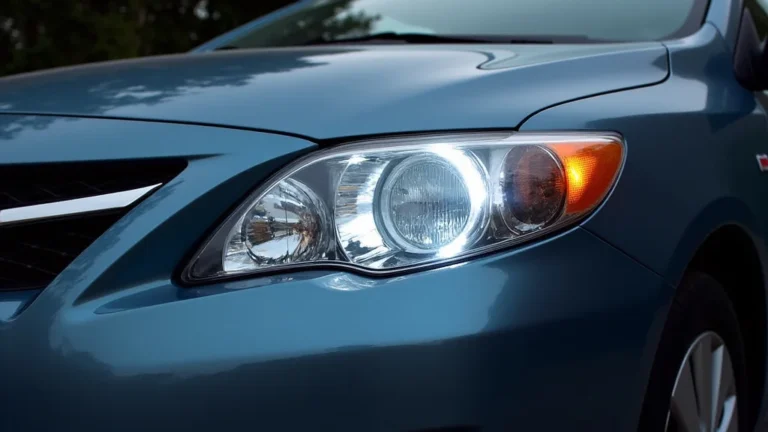
Do Headlights Need to Be On During Rain? Know the Rules
Figuring out the rules around driving can be tricky, especially when it comes to things like weather. Many new drivers wonder, do you have to have headlights on in the rain? It’s a common question, and the answer isn’t always obvious. This guide will clarify everything for you in simple steps. We’ll explore the ‘why’ and the ‘how,’ making sure you’re safe and confident behind the wheel. Let’s get started!
Rainy Day Driving and Headlight Requirements
Driving in the rain changes things a lot. Visibility goes down, and the road surface gets slick. This section will explore the essential aspects of headlight use during rainy conditions. We’ll explore the reasons why headlights are critical for safety and the types of lights that are most useful. It’s about staying visible and making sure others can see you, too.
The Significance of Headlights in Low Visibility
When it rains, your visibility drops quickly. The water on the road creates glare, and the raindrops themselves can make it hard to see. Headlights help you cut through the gloom and let other drivers spot you more easily. They improve your ability to assess the road and react to changing conditions, protecting you and everyone around you.
- Enhancing Your Vision: Headlights help drivers see the road ahead, reducing the risk of accidents by providing a better view of potential hazards. In low-light conditions, like heavy rain, this becomes even more vital.
- Making Your Vehicle More Visible: Even if your visibility is good, other drivers might not see you without headlights. They make your car stand out against the background and help other drivers judge your distance and speed, which is crucial for collision avoidance.
- Reducing Reaction Time: With headlights on, drivers can react more quickly to unexpected situations. Seeing hazards earlier gives you more time to brake or steer away from danger. This is important for reducing potential accidents on the road.
Your headlights are your primary source of vision on rainy days. Without them, it’s much harder to notice objects, pedestrians, and other vehicles. They allow you to perceive hazards early, giving you extra time to respond safely.
Think of your headlights as beacons of safety. They increase your vehicle’s contrast against the environment. This contrast is key in poor weather because it makes your car stand out more, significantly reducing the chances of someone not seeing you in time.
Imagine seeing a hazard too late to react. Headlights improve reaction time by providing clearer visibility. This allows you to react faster and better manage unexpected changes on the road, safeguarding you and others on the road.
Which Lights to Use: Low Beams vs. High Beams
Knowing which lights to use in the rain is important. Low beams are usually the best choice, as high beams can reflect off the rain and reduce your visibility. Understanding the correct lights ensures maximum visibility in rainy conditions.
- Low Beams: These are the default headlights. They provide a balance of visibility without creating glare.
- High Beams: These lights give you more light but create a lot of glare, which is not ideal in rain.
- Fog Lights: These are useful in heavy fog or rain when visibility is really poor.
Low beams are designed to illuminate the road ahead without blinding other drivers. In rain, this helps you see without creating reflections off the raindrops. They are perfect for general driving in rainy conditions.
While high beams are useful at night in areas with no streetlights, they are less effective in rain. The light bounces off the rain, causing the driver to see more of the illuminated raindrops instead of the road ahead, which reduces visibility.
Fog lights are designed to be used in very poor visibility situations. They’re placed low on the front of the car, which helps them shine under the fog and rain to illuminate the road better. They’re great for enhancing visibility in particularly bad conditions, improving the driver’s ability to see and react to hazards on the road.
The choice between low and high beams depends on the severity of the rain and the surrounding environment. In most cases, low beams and fog lights will be the safest and most effective choices.
Laws and Regulations Related to Headlight Use in Rain
The rules about headlights in the rain can differ, depending on where you drive. These laws are created to keep everyone safe. Knowing your local laws is key for responsible driving.
- State-Specific Regulations: Each state has its own traffic laws. Some states mandate headlight use when wipers are on, and others have more specific rules about visibility.
- Enforcement and Penalties: Not following these laws can lead to fines or other penalties. These are designed to encourage safe driving practices.
- The “Wipers On, Lights On” Rule: This is a very common rule. If your windshield wipers are on, your headlights need to be on, too.
Many states require drivers to turn on their headlights when their windshield wipers are in use, but the specifics vary. For example, some states require headlights whenever it’s raining, while others only require it at certain times of day or when visibility drops below a specific distance.
Law enforcement can ticket drivers for not using headlights when required. The penalties can range from minor fines to more serious consequences, depending on the area and severity of the infraction. Following these rules shows you care about road safety.
The “Wipers On, Lights On” rule is a simple way to know when to turn on your headlights. If you need your wipers, your headlights are probably needed to increase visibility for you and other drivers on the road. It’s a clear standard that’s easy to remember and follow.
Checking the local regulations before driving is important. Knowing the rules makes you a safer driver.
Best Practices: Driving in the Rain Safely
Driving in the rain requires more attention and preparation. From slowing down to maintaining space, this section discusses important tips. Let’s look at some smart driving habits that can help you handle rainy conditions with ease.
Adjusting Speed and Following Distance
The most important part of driving in the rain is slowing down. Also, keep extra space between your car and the one in front of you. Safe driving in the rain requires these adjustments to ensure better reaction time and control.
- Reduce Speed: It’s always a good idea to slow down when it’s raining. This gives you more control and time to react to any hazards.
- Increase Following Distance: Keeping extra space in front of you can help avoid collisions. It gives you extra reaction time.
- Understanding Hydroplaning: Hydroplaning happens when your tires lose contact with the road due to a buildup of water. Knowing what it is and how to react is key to safety.
Slowing down increases your vehicle’s control and minimizes the effect of hydroplaning. By reducing your speed, you increase your ability to respond safely to any unexpected situations. This is key to safe driving in the rain.
The normal following distance should be significantly increased when driving in the rain. This provides you with extra distance to react in an emergency, improving overall safety. This added space can give you time to stop safely.
Hydroplaning can happen if your tires encounter deep water. To avoid this, it’s best to slow down and avoid sharp steering changes. If hydroplaning occurs, ease off the gas and steer in the direction you want to go until you regain control.
Defensive Driving Techniques in Rainy Conditions
Being prepared and alert is important. Defensive driving helps drivers anticipate dangers and respond quickly. Here are some techniques to help improve your safety in the rain.
- Anticipate Hazards: Be ready for sudden stops or changes in the environment.
- Steering and Braking: Apply smooth steering and braking to avoid losing control.
- Stay Alert and Focused: Reduce distractions and pay attention to the driving task.
Look further ahead than you normally would and be ready to react to potential hazards, such as standing water, pedestrians, or other vehicles. This anticipation helps to reduce the risk of accidents by providing you with additional time to react to the road conditions.
Avoid any sudden movements. Making slow, careful adjustments will minimize your risk. This will help maintain control of your vehicle, preventing skids or other dangerous situations.
Make sure you stay fully present while driving in rain. Put away your phone and keep your attention on the road, your mirrors, and other vehicles to ensure you’re aware of everything around you. This focus will greatly increase your safety by helping you identify and respond to dangers more effectively.
Using Your Vehicle’s Systems Effectively
Modern vehicles offer features to improve safety in the rain. Using these systems can significantly improve your control and visibility.
- Windshield Wipers: Ensure your wipers are in good condition.
- Defroster: Use the defroster to clear the windshield and windows of fog.
- Anti-Lock Braking System (ABS): ABS helps with braking, especially on wet surfaces.
Regularly check the condition of your wipers to ensure they effectively clear water from your windshield. Replace them when they start to streak or wear. Good wipers are essential for clear vision.
The defroster helps to clear the fog. Turn it on as soon as fog appears to improve visibility. This keeps the windows clear of condensation and helps maintain your vision.
ABS helps prevent your wheels from locking up during braking, especially on slippery surfaces. It gives you more control over steering. This helps avoid skidding and improve your ability to stop.
Common Mistakes and How to Avoid Them
Everyone makes mistakes, especially when learning to drive. This section will help you avoid some common errors that new drivers make in the rain. Knowing these mistakes can greatly help you stay safe on the road.
Overconfidence and Speeding
Being overconfident or driving too fast in the rain can lead to crashes. Staying alert and reducing speed will help drivers avoid these common mistakes.
- Overconfidence: Believing you can handle conditions better than you can is a common mistake.
- Speeding: Driving faster than the conditions allow can be very risky.
- Ignoring Conditions: Not adjusting your driving to the actual rain conditions.
It’s easy to think you’re a perfect driver, but rain can be tricky even for experienced drivers. Be honest with yourself about your driving skills and reduce your speed. Taking your time and driving cautiously is key.
Speeding in the rain decreases your control over the car and increases the risk of hydroplaning. Always adjust your speed based on road conditions. Safe speed helps prevent accidents.
Some drivers don’t adjust for how heavy the rain is. Be aware of the amount of water on the road and how it affects your visibility and control. Staying aware helps you adjust your driving and stay safe.
Poor Visibility and Lack of Awareness
Visibility is very important. Failing to use headlights and stay aware of your surroundings can lead to accidents. Paying attention and keeping your car visible are key.
- Failure to Use Headlights: Forgetting or not realizing when to turn on headlights.
- Not Paying Attention: Distractions can be dangerous, especially in bad weather.
- Neglecting Mirrors: Not checking your mirrors regularly can be a problem.
Not using headlights is dangerous, as they greatly improve your visibility. Always use your headlights when it’s raining to ensure you and other drivers can see you. Following the “Wipers On, Lights On” rule is a good habit.
Keeping your eyes on the road and removing distractions like phones or loud music will help you notice potential hazards sooner. Focusing on the road helps to ensure you stay safe and react more effectively to the changing conditions.
Regularly check your mirrors to be aware of vehicles around you. This can help you to react to situations and avoid danger. This keeps you updated on the vehicles around you for your protection and the safety of other road users.
Ignoring Vehicle Maintenance
Maintaining your car is important for safe driving. Neglecting your tires and brakes can make driving in the rain very dangerous. Keep up with your car’s maintenance for better safety.
- Worn Tires: Old tires have less grip, which is a major concern in wet conditions.
- Faulty Brakes: Brakes that don’t work well are dangerous in any weather.
- Neglecting Basic Maintenance: Lack of proper car maintenance makes any driving more dangerous.
Tires lose their ability to grip the road as they wear, especially in wet conditions. Regular inspections and replacements ensure you have maximum control. Worn tires significantly increase your risk of accidents.
Ensure that your brakes are working correctly, as they can save your life in an emergency. If your brakes need service, have them repaired immediately. Properly functioning brakes are essential for stopping quickly.
Regularly check and maintain your vehicle to ensure its safety. This includes checking fluids, tire pressure, and lights, all of which contribute to safer driving. Performing these checks can significantly improve your ability to handle rainy conditions.
Headlight Use and Legal Consequences
When it comes to the rules about headlights, there can be legal consequences if you do not follow them. Understanding these implications is crucial to safe and responsible driving.
Fines and Penalties for Not Using Headlights
Breaking the law can lead to penalties, which is meant to make drivers more responsible. Knowing the potential consequences will help you stay out of trouble and keep others safe.
- Monetary Fines: The fines are usually enough to encourage drivers to use their headlights.
- Points on Your License: Repeated offenses can lead to points, which can cause increased insurance premiums or even license suspension.
- Impact on Insurance Rates: Being found guilty of headlight violations can increase your insurance premiums.
Fines vary depending on the area. Being aware of the local fines and adhering to the rules helps avoid financial penalties. This is an incentive to obey traffic laws.
Accumulating points on your license over time can have a major impact. Paying attention to these rules and avoiding these penalties is vital.
Insurance companies consider these violations when setting rates. Following these rules can help to keep your insurance costs down. Keeping a clean driving record is key.
Court Appearances and Legal Issues
More severe violations can involve court appearances. It’s best to be aware of the worst-case scenarios and take the rules seriously.
- Traffic Court: Drivers may be required to appear in court for more serious violations.
- Increased Penalties: Depending on the situation, the penalties can be very significant.
- Potential for Criminal Charges: In some cases, if the violation leads to an accident or injury, criminal charges could be considered.
You might have to attend traffic court to explain the situation to a judge, which can lead to more serious legal actions. Going to court can be time-consuming and costly.
Penalties can vary depending on the state and the nature of the violation. More serious situations, such as causing an accident, can lead to more severe punishments.
If your failure to use headlights causes an accident, you may face criminal charges. It underscores the importance of obeying all traffic laws to prevent serious consequences.
How to Handle a Ticket for a Headlight Violation
If you’re ticketed, how you handle it can make a difference. Knowing what to do can help you reduce penalties and address any issues. Here’s a quick guide on what to do if you are issued a ticket.
- Stay Calm and Be Polite: The way you interact with the officer can matter.
- Review the Ticket Carefully: Make sure the information is correct.
- Decide on a Course of Action: Decide whether to pay the ticket, contest it, or attend traffic school.
Be respectful when interacting with the law officer. Your attitude can play a role in how the situation is handled. Staying calm can improve the interaction.
Check the ticket for errors, such as incorrect dates or vehicle information. Reviewing the ticket can identify any errors that can be disputed.
You can pay the ticket, which admits fault and you will be penalized. If you believe the ticket is unfair, you can attend traffic school to learn about safe driving practices. Depending on the law, you might be able to have the ticket dismissed.
Addressing the ticket promptly and carefully is important. Following these steps helps make the process smoother.
Frequently Asked Questions
Question: When should I turn on my headlights in the rain?
Answer: Turn on your headlights anytime you are using your windshield wipers due to rain or when visibility is reduced. This is commonly referred to as the “Wipers On, Lights On” rule.
Question: Are daytime running lights (DRL) sufficient in the rain?
Answer: No, daytime running lights (DRL) are not enough in the rain. They only illuminate the front of your car, not the rear, so other drivers may not see you as clearly from behind. Headlights are needed for overall visibility.
Question: Can I use high beams in the rain?
Answer: It’s generally not recommended to use high beams in the rain because they can reflect off the raindrops and reduce your visibility. Low beams or fog lights are better choices.
Question: What’s the best way to handle hydroplaning?
Answer: If your car starts to hydroplane, ease off the accelerator and steer gently in the direction you want to go. Avoid any sudden braking or steering movements, and wait for your tires to regain grip on the road.
Question: Are there any specific laws about headlights in rain I should know about?
Answer: Yes, specific laws vary by state and sometimes by city. These can include mandatory headlight use when wipers are on or when visibility drops below a certain distance. It is best to check the laws where you live to stay compliant.
Final Thoughts
Understanding whether do you have to have headlights on in the rain, and the reasons behind it, is crucial for safe driving. Headlights greatly improve your visibility and make your vehicle more visible to others, which reduces the chance of accidents. Remember to slow down, increase your distance from other vehicles, and use your headlights anytime your windshield wipers are on. Stay alert, avoid distractions, and be prepared for changing road conditions. Following these guidelines helps keep you and others safe, no matter the weather. Keep these tips in mind as you drive. Stay safe out there, and enjoy the ride!