Do You Need Headlights On During the Day? Rules Explained
Getting your driver’s license is exciting! One of the first things many new drivers wonder about is, do you have to have headlights on during the day? It seems tricky, and the rules change depending on where you are. Don’t worry, this guide breaks it down in a way that’s super easy to get. We’ll explore the what, why, and how of daytime headlight use. Ready to become a headlight expert?
Headlight Basics and Legal Requirements
The rules about headlights can feel confusing, but it’s actually pretty straightforward. Different places have different laws. Some places require them all the time, others just in specific situations. Knowing these details is a key part of staying safe and following the law. It’s also about making sure other drivers can see you, which is extra important during the day.
The Purpose of Daytime Headlights
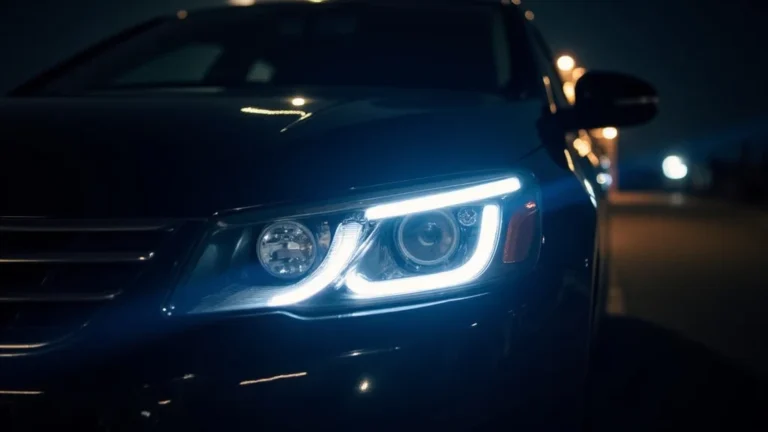
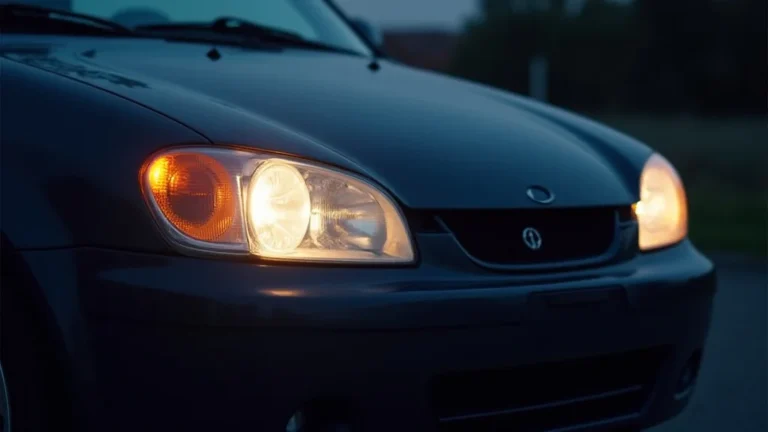
The main reason for using headlights during the day is simple: to make your car more visible. Daytime running lights (DRLs) or simply headlights, increase the chances other drivers, cyclists, and pedestrians will see you. This can help prevent accidents, especially in conditions where visibility is reduced, like rainy weather or when the sun is low on the horizon. DRLs are often less bright than full headlights, designed for visibility rather than illumination.
- Enhanced Visibility: Daytime headlights make your vehicle stand out against the backdrop of the road and other surroundings.
- Reduced Accident Risk: Studies show that using headlights during the day can lower the risk of crashes, specifically head-on collisions and crashes at intersections.
- Improved Recognition: Headlights help other drivers quickly identify that a vehicle is moving, giving them more time to react.
Consider this real-life scenario: A driver is approaching an intersection in bright sunlight. Without headlights, their vehicle might blend into the background. With headlights on, the vehicle is immediately noticeable, giving other drivers more time to stop or yield. The results demonstrate how much safety is improved by drivers using daytime headlights.
Legal Regulations: Where Are Headlights Needed?
The laws about daytime headlight use vary. Some regions and countries mandate the use of headlights at all times, while others require them only during certain conditions, such as inclement weather, times of reduced visibility, or specific roadways. Understanding these regulations is important for any driver. If you’re planning a road trip, research the local rules for each location. Failure to comply can result in traffic tickets and fines. You can usually find the rules on your local Department of Motor Vehicles (DMV) website. Some states require headlights on when windshield wipers are in use; others might say headlights must be used on highways or during specific times.
- Mandatory Use: Some regions have laws requiring headlights to be on at all times, day or night.
- Conditional Use: In other places, headlights are required under certain circumstances, such as rain, snow, fog, or reduced visibility.
- Road-Specific Rules: Some highways or specific roads might require headlights regardless of the weather.
- Penalties: Failing to use headlights when required can result in traffic tickets and fines.
Here’s an example: A driver is driving on a highway where headlights are always required. They forget to turn their headlights on and are pulled over by a police officer, who issues a warning or a ticket. This simple oversight highlights the importance of understanding and complying with local laws. This can be easily avoided by remembering to automatically turn on your headlights when you start driving.
Common Misconceptions About Headlights
There are lots of beliefs about headlights that aren’t really true. Many drivers think it’s only about the dark. However, using headlights can be useful in several scenarios. We’ll explore some popular myths and set the record straight.
Myth: Headlights Are Only Needed at Night
One of the biggest misconceptions is that headlights are only needed after dark. While it is true that you definitely need them at night, the truth is they are really useful during the day, too. As mentioned earlier, they make your car more visible to others, which is valuable in all kinds of conditions. Accidents can happen anytime, so the main job of headlights is to make sure others can see you.
- Headlights Help in Daylight: Daytime headlights are valuable for improving visibility even in bright sunlight.
- Visibility Enhancement: They make your vehicle easier to spot in a variety of conditions, not just at night.
- Safety First: The primary function of headlights is to enhance safety by making your vehicle more noticeable.
Think about this: A car is driving down a road on a sunny day. A driver in an approaching car might not see the first car as quickly if the headlights are off. If the first car’s headlights are on, the driver in the other car can see it sooner and react safely. The small detail of having your headlights on could prevent an accident.
Myth: Daytime Running Lights (DRLs) Are the Same as Headlights
Another area of confusion involves daytime running lights, or DRLs. While DRLs also help increase visibility, they are not the same as regular headlights. Regular headlights are usually brighter and illuminate the road ahead, while DRLs are designed to make your vehicle more visible to others. DRLs typically turn on automatically when the engine is started, and they may not illuminate the taillights, whereas headlights usually do. Using DRLs doesn’t always meet requirements to use headlights in certain situations. Remember, the goal is always to improve how others see you.
- Different Functions: Headlights light up the road; DRLs mainly make your car visible.
- Brightness: Regular headlights are usually brighter than DRLs.
- Coverage: Regular headlights typically turn on the front and rear lights, while DRLs may only light the front.
Let’s say a car with DRLs is driving in heavy rain. The driver might not have their taillights on, which could make it harder for the cars behind them to see them. This highlights why it is important to manually turn on regular headlights in bad weather to make sure all lights are visible.
When to Use Headlights: Specific Scenarios
Figuring out when to use headlights goes beyond the basic rules. There are specific situations where using headlights can significantly improve safety. Knowing these scenarios will help you make better decisions while driving. Remember, it is best to be visible and avoid any doubt.
Headlights in Inclement Weather
Bad weather makes it harder to see. Rain, snow, fog, and even heavy dust can greatly reduce visibility. Turning on your headlights in these conditions is a smart and safe choice. They help other drivers see your vehicle. Some regions even have laws about this. Always turn on your headlights whenever visibility is low.
- Rain and Snow: Reduce the chance of accidents by increasing the visibility of your car.
- Fog: Makes it easier for other vehicles to see you through the dense fog.
- Dust: Headlights cut through the dust and make your vehicle more visible.
Here’s a sample scenario: A driver is driving through a sudden rainstorm. Visibility is reduced to a few car lengths. By turning on their headlights, they make their car easier to spot, helping prevent a possible collision. The lights provide a clear warning to other drivers.
Headlights on Highways and High-Traffic Areas
Highways and high-traffic areas have lots of vehicles. Turning on your headlights in these settings is a great idea. It helps you stand out among all the other cars. Even if it’s a bright day, having your headlights on can help other drivers recognize your vehicle sooner, reducing the possibility of accidents.
- Increased Visibility: Your car is more easily spotted.
- Enhanced Safety: Other drivers can react more quickly to your car.
- Reduced Risk: Minimizes the possibility of collisions in congested areas.
Here is an example: A driver is traveling on a busy highway during the day. By keeping their headlights on, they’re more visible to other drivers, decreasing the risk of crashes. This is particularly helpful when merging into traffic.
Practical Tips for Headlight Use
Now, let’s explore some easy tips. This includes how to properly use your headlights and how to make sure they are in good working order.
Checking and Maintaining Your Headlights
Good headlights start with good maintenance. Regularly check your headlights to ensure they are working. This includes checking the bulbs, lenses, and overall functionality of the system. Make sure all your lights are working before you drive. If you find any issues, address them right away. Proper maintenance keeps your headlights working properly.
- Regular Inspections: Examine your headlights at least once a month.
- Bulb Replacement: Replace burnt-out bulbs promptly.
- Lens Cleaning: Clean the lenses regularly to remove dirt and grime.
Imagine this: You are preparing for a long drive at night. Before you leave, you take a quick look to confirm your headlights are working, the lenses are clear, and your taillights are also on. This simple check helps avoid surprises on the road and keeps you safe.
Headlight Etiquette: Best Practices
Headlight etiquette involves using your lights correctly and being considerate of other drivers. For example, don’t use high beams when you’re following another car or when traffic is approaching. Knowing how to use your headlights in different situations can improve road safety and keep everyone safe.
- Use Low Beams: Use low beams in most situations to avoid blinding other drivers.
- High Beam Awareness: Use high beams only when needed and where appropriate.
- Signal with Lights: Use your lights to communicate with other drivers.
Let’s say you’re driving at night and coming up behind another vehicle. You dim your high beams to prevent dazzling the driver in front of you. This small action shows consideration and helps keep the road safer for everyone.
FAQ: Frequently Asked Questions
Question: Are daytime running lights (DRLs) always enough?
Answer: Daytime running lights (DRLs) are useful for making your car visible, but they aren’t always enough. In some situations, especially during bad weather, regular headlights are better. They light up the road better and turn on your taillights, too.
Question: Do I have to turn off my headlights when I stop at a red light?
Answer: You don’t need to turn off your headlights when you stop at a red light. Keeping them on helps others see you, which is a good idea for safety. You don’t need to do anything with your lights when you’re stopped.
Question: What’s the main purpose of headlights during the day?
Answer: The main idea behind using headlights during the day is to increase your visibility to other drivers. This helps reduce the risk of accidents by making your car easier to spot, especially in tricky conditions.
Question: Can I be ticketed for not having my headlights on?
Answer: Yes, you can be ticketed if you don’t use your headlights when required by law. Rules vary from place to place, but you must follow them. It’s a good idea to know the rules where you are.
Question: How often should I check my headlights?
Answer: You should check your headlights at least once a month. Make sure the bulbs work and the lenses are clean. Any issues you discover should be addressed immediately for better safety.
Final Thoughts
The rules about headlights might seem complicated, but remember the main idea: to be visible to others. Knowing do you have to have headlights on during the day is really about following the rules in your area. Always remember that turning on your headlights can make a big difference in preventing accidents. Keeping your headlights on during the day makes it safer for all drivers. By following these simple rules and checking your headlights regularly, you’re making the roads safer for everyone. So, next time you are driving, make a habit of turning your lights on when needed. This is a small action, but it helps keep everyone safe on the road.