Are Green Headlights Legal? A Comprehensive Guide
Picture this: you’re cruising down the road on a foggy night, and you spot a vehicle with vibrant, green headlights. They certainly stand out! But the question pops into your head: are these allowed? The legality of green lights on vehicles is a topic that sparks curiosity. In this guide, we’ll explore the regulations surrounding green headlights, what you need to know about them, and the situations where they might be permitted. You’ll gain a clear understanding of the laws, helping you avoid potential issues and stay safe on the road. This will improve your knowledge and keep you informed.
Regulations Surrounding Vehicle Lighting
Vehicle lighting regulations are put in place for a straightforward reason: safety. They establish guidelines for the types of lights, colors, and brightness allowed on vehicles. These rules ensure that all drivers can see and be seen, decreasing the risk of accidents. These regulations vary greatly from state to state and even between different countries. Some jurisdictions adopt the standards set by organizations like the United Nations Economic Commission for Europe (UNECE), while others have their own unique rules. It’s crucial to understand the specific laws in your area to avoid any legal troubles.
Types of Vehicle Lighting Explained
Vehicle lighting encompasses a wide array of lights, each having a specific purpose. Headlights, for instance, are essential for illuminating the road ahead, while taillights and brake lights signal your presence and intentions to other drivers. Turn signals alert others when you’re turning, and side marker lights increase your vehicle’s visibility from the side. Interior lights, such as those in the cabin, serve to provide visibility inside the vehicle. All these lights must adhere to strict standards concerning color, intensity, and placement. Violating these standards can lead to fines and, more importantly, put you and others at risk.
- Headlights: Headlights are designed to provide illumination for the road. The color is usually white or amber, but the intensity and beam pattern are regulated to prevent glare.
- Taillights and Brake Lights: Taillights and brake lights increase your vehicle’s visibility from behind. Red is the standard color for taillights, but the intensity increases when the brakes are applied.
- Turn Signals: Turn signals alert other drivers to your intentions of turning or changing lanes. Usually, they are amber-colored.
- Side Marker Lights: Side marker lights improve a vehicle’s visibility from the side. These lights are typically amber or red.
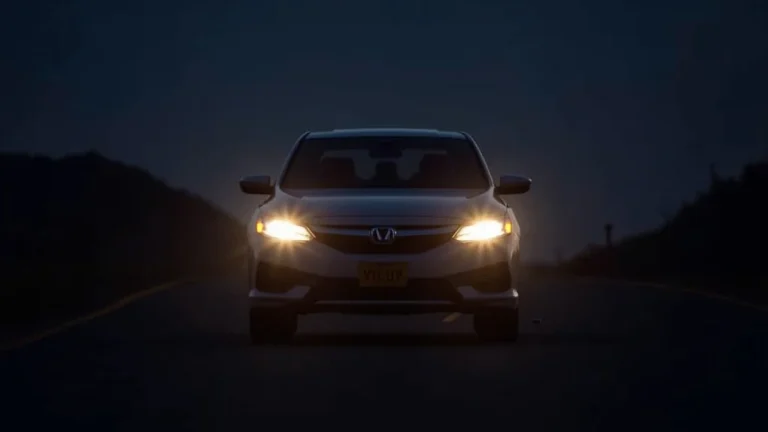
Headlights are crucial for safe night driving and in conditions with reduced visibility like rain or fog. They must meet specific standards for brightness and beam patterns to avoid blinding other drivers. The headlights’ design also plays a part in the overall appearance of the car. Modern LED and HID headlights provide significantly improved light output compared to older halogen systems.
Taillights are located at the back of the car and provide visibility at night. Brake lights, also red, become brighter when the driver applies the brakes, alerting other drivers. They are critical for preventing rear-end collisions. They must be maintained and kept clean to remain effective.
Turn signals, usually amber in color, are essential for letting others know your intention to change direction. They are positioned at the front and rear of the vehicle. Drivers are legally obligated to use turn signals to avoid causing accidents. Proper functioning turn signals are vital.
Side marker lights are often amber or red and placed on the sides of the vehicle to make it visible from the side. They are especially useful at dawn, dusk, and in low-visibility conditions. These lights help other drivers see your vehicle.
Legal Restrictions on Light Colors
Most jurisdictions strictly regulate the colors of vehicle lights. The standard for headlights is white or amber, while taillights and brake lights must be red. Turn signals are usually amber. Colors such as green, blue, or red (other than for brake lights) are often restricted or entirely banned. These restrictions are in place because non-standard colors can confuse other drivers, making it harder to recognize the vehicle’s actions. The intensity of lights is also regulated to avoid dazzling or distracting other road users. Modifications of vehicle lighting must comply with specific rules to be legal.
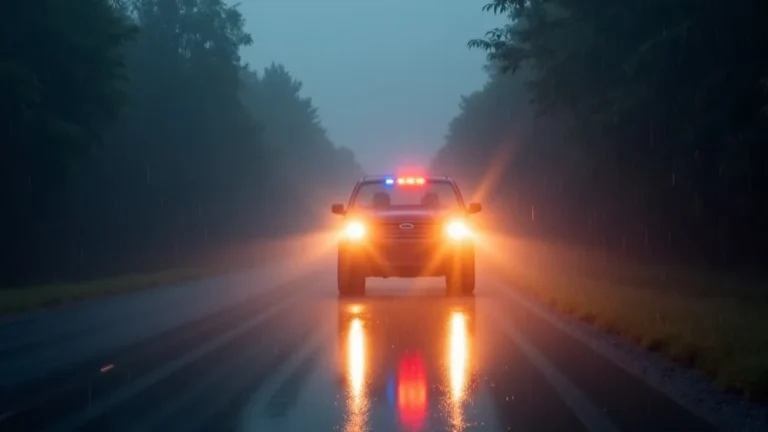
Many places limit the use of certain light colors, especially those that can be mistaken for emergency vehicles. For example, emergency vehicles such as police cars and ambulances use blue and red lights to alert drivers. The use of these colors by regular vehicles is usually prohibited to prevent confusion and maintain the effectiveness of emergency signaling. These are laws implemented for public safety.
Are Green Headlights Legal: Examining the Specifics
The core question is, are green headlights allowed? Generally, the answer is no. Most jurisdictions consider green headlights to be non-compliant with standard lighting regulations. Green lights can be mistaken for emergency vehicles, creating confusion and potentially leading to dangerous situations. The rules regarding vehicle lighting are in place for safety, and they prioritize standardization to ensure every driver understands signals and can react appropriately.
Variations in Local Laws
Even though green headlights are usually illegal, there might be some variations depending on where you are. Some areas might have specific exceptions for certain vehicles or uses. For instance, in some places, you may find green lights on motorcycles or specialized vehicles used for shows. However, these instances are typically very specific and require permits. You should check the exact local regulations. Keep in mind that ignorance of the law isn’t a defense, so research is very important.
Reasons Behind the Restrictions
The restrictions on green headlights are mostly based on safety. Green light is not a standard color for vehicle lighting and can be confused with signals from emergency vehicles. This confusion could lead to hesitation or incorrect responses from other drivers. Standardizing light colors helps drivers to quickly identify the type of vehicle and its intentions. Regulations also help reduce the chances of misinterpretation that could cause accidents.
The visual impact of green headlights can also be a cause for concern. Green light can cause issues with glare and visibility. The human eye has trouble processing green light in certain conditions, potentially making it harder for other drivers to spot the vehicle. The design and lighting systems also need to be standardized to ensure that the road remains a safe place for everyone.
Special Cases and Potential Exceptions
While the rules regarding green headlights are clear, there might be some exceptions or specific cases where they are allowed. It’s important to understand these specific situations. If you’re considering green lights on your vehicle, you should review all local laws and, if needed, consult with transportation authorities. This helps you avoid legal issues. Keep in mind that exceptions are often granted under very specific circumstances, and you have to meet strict criteria.
Show Cars and Off-Road Vehicles
Show cars sometimes have modified lighting. These modifications can include non-standard colors for aesthetic purposes. However, show cars are often subject to different rules than regular vehicles. They might be allowed to use green headlights under certain restrictions. The car would need to be transported on a trailer. In some areas, off-road vehicles may be permitted to have green lights. These vehicles are primarily used in environments where standard lighting regulations may not be practical. Be sure to check what your local regulations say.
The Role of Permits and Waivers
In some situations, it is possible to obtain a permit or waiver to use green headlights. This typically involves proving a special need or purpose. If you plan to use green headlights on a vehicle, you should contact local authorities to see what your options are. They can explain the process. A permit might be granted for specific uses, like display vehicles or certain types of specialized equipment. These permits are specific, and you would be required to meet strict conditions.
Modifying Your Vehicle Lighting: Legal Considerations
If you’re considering changing your vehicle’s lighting, it’s very important to comply with all local rules. Modifying your vehicle’s lighting can impact its legality and the safety of other drivers. Always check the regulations that apply to you. Understand the rules about light colors, brightness, and placement. Non-compliance can lead to fines, vehicle inspections, and safety issues. Proper compliance will make your vehicle look better and avoid troubles.
Seeking Professional Advice
When in doubt, always seek professional advice. Automotive lighting specialists and certified mechanics can provide guidance on what modifications are allowed and how to ensure your vehicle complies with all regulations. They can also provide professional installation. They can make sure that your modifications are safe and within legal limits. Working with experts can help you avoid mistakes and ensure that your lighting setup meets all the necessary standards.
Potential Penalties for Non-Compliance
If your vehicle doesn’t comply with local lighting regulations, you could face penalties. These can range from warnings to fines or vehicle inspections. In some cases, authorities may require you to remove the non-compliant lighting and
Comparative Analysis: Green vs. Other Light Colors
Understanding how green lights compare to other light colors in terms of legality and visibility is very important. This comparison shows why certain colors are standard and how non-standard colors, such as green, can present challenges. It helps drivers to make decisions when customizing their vehicles.
Legal Status Comparison
Different colors have varied legal statuses. Standard colors, like white or amber for headlights and red for taillights, are generally permitted because they are the standard. They are also easily identified by all drivers. Green, however, is often restricted because it can confuse or be mistaken for emergency vehicles. Blue lights, often used by police, are usually restricted to those vehicles. The legal status of different colors is designed to maintain order and safety on the road.
| Light Color | Typical Use | Legal Status (General) | Notes |
|---|---|---|---|
| White/Amber | Headlights, Turn Signals | Legal | Standard and widely accepted. |
| Red | Taillights, Brake Lights | Legal | Essential for signaling and safety. |
| Green | Rarely Used | Typically Illegal | Can be mistaken for emergency vehicles, so regulations are strict. |
| Blue | Emergency Vehicles | Restricted | Usually reserved for police and emergency vehicles. |
Visibility and Recognition
The visibility and ease of recognition also vary. White and amber lights are easily seen in most conditions. Red is also highly recognizable and indicates braking or turning. Green light, as mentioned before, may be more difficult to recognize. This is especially true at night or in low visibility settings. This can also lead to confusion. The placement and intensity of lights also affect visibility. Choosing appropriate lights is crucial to make your vehicle visible and avoid accidents.
Real-World Examples and Scenarios
Looking at real-world examples and scenarios can help you better understand the practicality and implications of the laws about green headlights. These examples show how such rules apply in different circumstances. These scenarios show how the rules may be enforced and what can happen when you don’t follow them.
- The Car Show Scenario: A car enthusiast decides to install green headlights on their show car, which is primarily used for exhibitions and events.
- The Motorcycle Modification: A motorcycle owner, eager to customize their bike, considers installing green headlights.
- The Off-Road Enthusiast: A group of off-road vehicle enthusiasts plan a night-time expedition. One of the members wants to add green lights to their vehicles.
The owner checks local laws to see if there are any exceptions for display vehicles. They discover that a special permit is needed to display the car with green lights, which they obtain. During car shows, the vehicle stands out and attracts attention. However, when transporting the car to and from events, the green headlights must be turned off or covered to comply with traffic laws. This ensures that the vehicle is safe for road use.
After reviewing local regulations, they find that green headlights are prohibited for regular use. The owner decides against the modification to stay within the law. They then opt for aftermarket LED headlights in a standard white or amber color. This decision allows them to enhance the bike’s appearance and also ensures compliance with all traffic regulations.
Before their trip, they check to see if their local laws allow green lights. They discover that some areas permit green lighting for off-road vehicles. They make sure to meet specific requirements, such as using the lights only in off-road situations and ensuring they don’t affect other drivers. With the correct permits and compliance, they are able to go off-road without any issues.
Frequently Asked Questions
Question: Are there any situations where green headlights are legal?
Answer: Green headlights are generally illegal, but exceptions exist. These may include show cars with specific permits or off-road vehicles in certain areas, but these cases are very rare.
Question: What is the main reason green headlights are often restricted?
Answer: The primary reason for restrictions is to avoid confusion with emergency vehicles and maintain road safety. Green lights can lead to misinterpretations and accidents.
Question: Can I be fined for using green headlights?
Answer: Yes, you can be fined, and in some cases, your vehicle may be subject to inspection or be required to remove the non-compliant lighting. Penalties vary by jurisdiction.
Question: Where can I find the lighting regulations for my area?
Answer: You can find local lighting regulations by checking your state’s Department of Motor Vehicles (DMV) website or local traffic law enforcement resources.
Question: If I get a special permit, can I use green headlights freely?
Answer: No, special permits often come with specific conditions and limitations, such as the times or places the lights may be used. Always adhere to permit requirements.
Final Thoughts
The rules about are green headlights legal are clear. Generally, green headlights are illegal because they can cause confusion and present a safety risk. These restrictions vary, so it’s essential to check local laws before modifying your vehicle’s lighting. Consider the potential penalties. Safety is the top priority for all drivers. Before making any changes, it is important to comply with all regulations. Keeping your vehicle safe and legal is very important. Always prioritize safety, and when in doubt, consult the authorities. Staying informed and compliant helps ensure that you can continue enjoying the road.