Are Fog Lights and Headlights the Same Bulb? A Simple Guide
Picture this: You’re driving home late at night, and a thick fog rolls in. You instinctively reach for your fog lights, but then you pause. Are they the same bulbs as your headlights? It’s a common question, and one many drivers wonder about. This post clears up the confusion surrounding are fog lights and headlights the same bulb. You’ll learn the key differences, explore their functions, and know how to keep your vehicle safely lit in any condition, improving your knowledge and making you a more informed driver.
Headlights Versus Fog Lights What’s the Difference?
The difference between headlights and fog lights isn’t just about the location of the light fixture on your vehicle; they also have unique designs and purposes. Headlights are your primary source of illumination, providing a wide beam to light up the road ahead and allow you to see far down the road. They are designed to operate in various weather conditions and are crucial for safe nighttime driving. In contrast, fog lights are designed to cut through fog, rain, or snow to improve visibility close to the ground, especially when other lights are impaired by weather conditions.
Headlight Characteristics
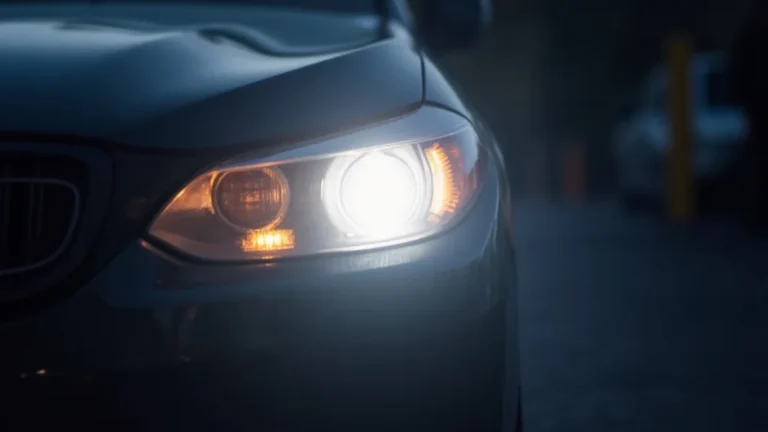
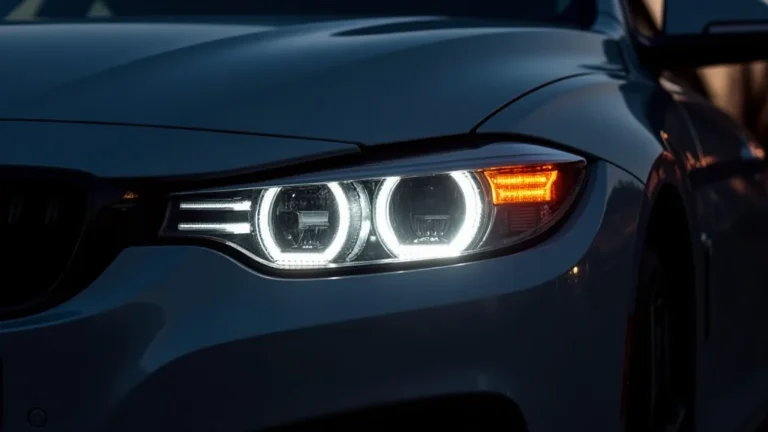
Headlights are typically brighter than fog lights. They project a more extensive beam pattern that covers a broader area, providing a wide field of view. Modern headlights often use high-intensity discharge (HID) or light-emitting diode (LED) technology, offering improved brightness and energy efficiency. The position of headlights is generally higher than fog lights to provide better visibility. They are crucial for safe driving at night and in low-light conditions.
- Brightness: Headlights have greater lumen output for long-distance visibility. Modern headlights use advanced technologies to boost brightness.
- Beam Pattern: They produce a wider beam, illuminating the road and surroundings. This is essential for safe driving at higher speeds.
- Position: Headlights are placed higher on the vehicle to provide an unobstructed view of the road ahead and minimize glare from other vehicles.
- Technology: HID and LED are the dominant headlight technologies today, offering superior performance compared to older halogen systems.
Fog Light Characteristics
Fog lights are designed to provide extra illumination in adverse weather conditions like fog, rain, or snow. Unlike headlights, fog lights are positioned lower on the vehicle. This placement helps the light penetrate the fog rather than reflecting off the water droplets, minimizing the “wall of light” effect that can reduce visibility. Fog lights have a focused, wide beam pattern, illuminating the road directly in front of the vehicle. They emit a yellow or amber light, which research shows to be more effective at penetrating fog.
- Brightness: Fog lights are generally less bright than headlights, designed to avoid reflecting back in foggy conditions.
- Beam Pattern: They have a flat, wide beam pattern to illuminate the road immediately ahead, reducing glare.
- Position: Placed low to the ground to shine beneath the fog, rain, or snow. The lower positioning allows the light to travel farther.
- Color: Often yellow or amber to improve visibility and cut through the fog more efficiently. Studies have shown yellow light helps reduce the “wall of light” effect.
Are Fog Lights and Headlights the Same Bulb?
The short answer is usually no; are fog lights and headlights the same bulb? In most vehicles, the answer is negative. They are designed with separate housings and operate independently. However, some vehicles might use a dual-filament bulb that allows a single bulb to function as both a headlight and a fog light, but this is less common. This setup is a cost-effective solution for some car manufacturers, but in most cases, they’re separate.
Common Bulb Types
Understanding bulb types is essential when discussing whether fog lights and headlights use the same bulb. Common options include halogen, HID, and LED. Halogen bulbs, the most traditional, use a filament heated to produce light, while HID (high-intensity discharge) bulbs use a gas discharge system. LED (light-emitting diode) bulbs are a modern, energy-efficient choice. Each type offers different brightness levels, lifespan, and energy efficiency. Knowing the bulb type helps in replacing them.
- Halogen Bulbs: These are the most common and affordable type, using a heated filament to produce light.
- HID Bulbs: HID (High-Intensity Discharge) bulbs, also known as xenon bulbs, produce a bright light and are known for their efficiency.
- LED Bulbs: LED (Light-Emitting Diode) bulbs are energy-efficient, long-lasting, and offer instant-on capabilities.
How to Identify the Bulbs
Identifying the bulbs in your car is fairly straightforward, even without being a car expert. Check your vehicle’s owner’s manual for the specifications, including bulb types and replacement instructions. Examine the headlight and fog light housings. Headlights are typically larger and more prominent than fog lights. Check the light housings themselves. The bulb type is usually printed directly on the bulb. You can also consult an automotive parts store where an expert will assist you to locate the correct bulb.
- Owner’s Manual: It’s your best resource for bulb specifications.
- Housings: Headlights are typically larger and higher, while fog lights are smaller and mounted lower.
- Bulb Markings: The bulb type is usually printed on the bulb itself.
- Parts Store: An auto parts store can help you identify and find the proper bulbs for your car.
When and How to Use Fog Lights
Fog lights are most effective in specific conditions and used in appropriate driving conditions. While they seem great to use on rainy nights, headlights are made to be used in any weather. Use your fog lights when visibility is severely limited by fog, heavy rain, snow, or dust. The goal is to provide additional illumination that cuts through these elements, improving your ability to see the road. They are designed to complement headlights, not
Optimal Conditions for Use
Using fog lights in the right situations maximizes their effectiveness. Fog lights should be used when visibility drops below a certain threshold due to fog, rain, snow, or dust. Using them enhances your ability to see the road ahead while ensuring that other drivers can see your vehicle. They are most useful when visibility is reduced to the point where your regular headlights are insufficient. It is essential to understand the correct settings and usage of fog lights for safe driving in adverse conditions.
- Fog: Thick fog is where fog lights work best, allowing light to penetrate and enhance visibility.
- Heavy Rain: In torrential rain, fog lights can help illuminate the road surface more effectively.
- Snow: When snow reduces visibility, fog lights can provide additional illumination.
- Dust Storms: Dust can reduce visibility similar to fog, and fog lights can help in these situations.
Proper Usage Techniques
Knowing how to use fog lights effectively is just as important as knowing when to use them. Always ensure your fog lights are aimed correctly to maximize their effectiveness. Your fog lights should be adjusted to be at the correct height, and aiming them too high can reduce visibility in fog. Combining fog lights with low-beam headlights is generally more effective, as high beams can reflect off the fog and reduce visibility. Ensure the fog lights are clean; dirt or debris can reduce their effectiveness.
- Combine with Low Beams: Use fog lights in conjunction with low beams for the best visibility in adverse conditions.
- Avoid High Beams: High beams can reflect off fog, reducing visibility.
- Aim Properly: Ensure fog lights are aimed correctly; consult your car’s manual.
- Keep Clean: Regularly clean the lenses to ensure optimal light output.
Bulb Replacement and Maintenance
Regular maintenance ensures your vehicle’s lighting systems function properly, particularly when considering whether are fog lights and headlights the same bulb. Inspecting your headlights and fog lights periodically is essential for safe driving. This includes checking for signs of damage or wear. Replace bulbs promptly if they burn out or become dim, ensuring optimal visibility. Clean the lenses of your headlights and fog lights regularly to maintain maximum light output. Regularly checking your lights and replacing your bulbs is essential to keeping you and others safe on the road.
Inspection and Troubleshooting
Inspecting your headlights and fog lights is essential for safe driving. Regularly check for signs of damage like cracks or clouding on the lenses, which can reduce light output. Turn on your lights to check for any bulbs that are burned out or dim. Test your fog lights, especially if you rarely use them. A malfunctioning fog light can be a safety hazard. If you notice any issues, address them promptly. Troubleshooting may involve checking fuses and connectors to ensure they’re working correctly. If the bulb works but is dim, it may need to be replaced.
- Check for Damage: Inspect lenses for cracks or clouding.
- Test the Lights: Turn on your headlights and fog lights to check the light output.
- Check Fuses: Ensure the fuses for the headlights and fog lights are functional.
- Inspect Connectors: Check electrical connections for corrosion or damage.
Replacement Process
Replacing a burned-out bulb might seem like a complex task, but it can be done with the right knowledge. First, ensure you have the correct
- Gather Supplies: Get the correct replacement bulb and tools.
- Disconnect Power: Turn off the car and remove the key.
- Access the Housing: Locate and open the light housing.
- Remove and Replace: Replace the old bulb carefully.
- Test and Secure: Test the new bulb and reassemble the housing.
Frequently Asked Questions
Question: Can I use fog lights all the time?
Answer: It’s generally not recommended to use fog lights in clear weather. They are designed for conditions like fog, rain, or snow where visibility is reduced. Using them in clear conditions can be distracting and may violate local regulations.
Question: How do I know if my fog lights are working?
Answer: Turn on your fog lights and check if they illuminate. You should see a focused beam of light near the ground. Also, your dashboard should have an indicator light when your fog lights are activated.
Question: Are all fog lights yellow?
Answer: No, while many fog lights are yellow or amber, this color is generally accepted as being most effective. However, some vehicles come with white fog lights, especially those with LED technology. Yellow lights are more effective in penetrating the fog.
Question: Do fog lights help with driving in the rain?
Answer: Yes, fog lights can help with driving in the rain. Their low, wide beam pattern illuminates the road near the ground, reducing glare and improving visibility in wet conditions. Headlights are designed to light the road far ahead.
Question: What if my fog lights and headlights use the same bulb?
Answer: If your vehicle uses the same bulb for fog lights and headlights, make sure the bulb meets the specifications for both functions. Check your owner’s manual to confirm the bulb type and make sure they both work. Otherwise, you can drive around with only your headlights on.
Final Thoughts
Understanding the difference between headlights and fog lights is key to safe driving. While the question of whether are fog lights and headlights the same bulb often arises, the answer is generally no. Headlights and fog lights serve distinct purposes and are usually designed with separate bulbs. Headlights light the road far ahead while fog lights enhance visibility in adverse weather conditions. Now you have the information to maintain your car’s lighting system to keep you safe and legal. Always refer to your car’s manual for specific details on your vehicle’s lighting system. With your newfound insights, you can feel confident in managing your vehicle’s lights for safety.