Do Headlight Restoration Kits Really Work? A Simple Guide
Figuring out if do headlight restoration kits work is a common question, especially if you’re new to car care. It can seem a bit tricky at first, with so many kits and promises out there. Don’t worry, though! This guide will break it down in a clear, easy-to-follow way. We’ll show you how to get your headlights looking brighter. Let’s explore how these kits help and if they’re worth your time.
What Causes Headlights to Become Cloudy?
Headlights become cloudy for a few main reasons. Over time, the clear plastic lens covering your headlights gets damaged. This is mostly due to sun exposure, specifically ultraviolet (UV) light. UV light breaks down the plastic, making it brittle and yellow. Road debris, like small rocks and sand, also damages the lens over time. When tiny scratches build up, they scatter light, reducing headlight brightness. Finally, environmental factors, such as pollution and weather, contribute to the cloudiness.
UV Radiation and Its Effects
UV radiation, a type of invisible light from the sun, is a big problem for car headlights. The plastic used for headlight lenses, usually polycarbonate, isn’t designed to withstand constant UV exposure. UV radiation causes a process called photo-oxidation. This is where the UV rays break the chemical bonds in the plastic. This causes the plastic to deteriorate, leading to yellowing, hazing, and cracking. The longer your car is exposed to sunlight, the more damage is done. Regular car washes and wax can offer some protection, but aren’t enough to stop the damage.
- Photo-oxidation Process: Understanding how UV light degrades the plastic is key.
- Polycarbonate Material: The specific plastic used matters a lot.
- Preventive Measures: What can you do to slow down the process?
The photo-oxidation process causes the breakdown of the polymer chains within the headlight lens. This breakdown causes the lens to lose its clarity, leading to reduced light output. The damage starts small, but slowly spreads until the entire lens surface is affected.
Polycarbonate is used because it’s strong and lightweight. However, it’s susceptible to UV damage. There are additives that offer protection but even these fade over time.
Parking in a garage, applying UV protectant coatings, and regular cleaning can help minimize UV damage. Avoid harsh cleaning products and use soft cloths to prevent scratches.
Environmental Factors and Road Debris
Beyond the sun, other elements wear down your headlights. Road debris, like small stones and sand, creates tiny scratches. These scratches scatter light, reducing visibility. Airborne pollutants, like exhaust and industrial emissions, can also settle on the lens, further clouding it. Weather changes, especially temperature fluctuations and humidity, can also accelerate the degradation process. Consistent exposure to these elements means headlights lose their clarity over time.
- Abrasion and Scratching: Road debris leads to many small scratches.
- Pollution’s Role: How do pollutants affect headlight clarity?
- Temperature and Humidity Effects: Extreme conditions speed up degradation.
Think about driving behind a truck on a gravel road. The tiny particles hit your headlights at high speeds. This repeated impact creates many minor scratches. These scratches diffuse the light, making the headlights look hazy.
Pollutants stick to the surface and can react with the plastic, speeding up the yellowing process. They can also create a dull film that blocks light.
Heat can soften the plastic, making it more vulnerable to scratching. Humidity can cause condensation, which also degrades the plastic over time.
The Impact of Clouded Headlights on Safety
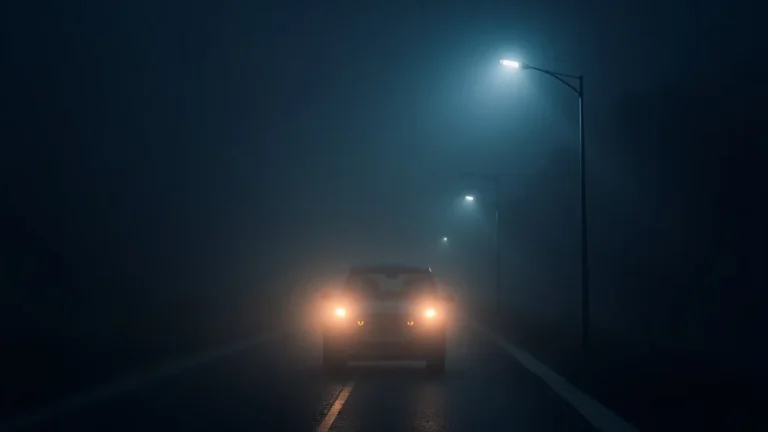
Cloudy headlights are more than just a cosmetic issue. They significantly reduce the amount of light shining on the road. This makes it harder to see at night, decreasing your reaction time to potential hazards. This can mean the difference between avoiding an accident and not. Reduced visibility also affects the ability of other drivers to see your car. This situation creates a dangerous situation for you and other road users.
- Reduced Visibility: Dimmed headlights limit what you can see.
- Decreased Reaction Time: Not seeing things quickly means less time to react.
- Increased Accident Risk: Dimmed lights make accidents more likely.
When your headlights are hazy, the light they produce becomes scattered. You won’t see as far ahead. This makes it challenging to identify pedestrians, animals, or road signs in time. Reduced visibility increases the likelihood of accidents.
The time it takes to react to unexpected events is critical. Clouded headlights reduce the distance you can see, leaving you less time to respond to a dangerous situation. Every second counts when avoiding a crash.
Statistics show that accidents are more common at night. Headlights that don’t shine properly add to the risk. Keeping your headlights clean and clear is one of the easiest ways to improve safety while driving.
Do Headlight Restoration Kits Work: A Detailed Look
So, do headlight restoration kits work? The short answer is, it depends on the kit and the level of damage. These kits are designed to remove the top layer of damaged plastic and restore clarity to the headlight lens. They usually contain everything you need, from abrasive pads to polishing compounds and sealants. But, effectiveness can vary. Lightly hazed headlights are often easy to fix, while severely damaged ones might need professional attention.
Types of Headlight Restoration Kits
There are a few main types of headlight restoration kits. Some are based on hand-sanding, using different grades of sandpaper. Others use power tools like a drill with specialized attachments. There are also chemical-based kits that use liquid solutions to dissolve the damaged layer. Each method has pros and cons. The best choice for you depends on your experience, how much time you have, and the level of damage to your headlights.
- Hand-Sanding Kits: A common and affordable option.
- Power Tool Kits: Use tools for faster results.
- Chemical Restoration Kits: Use liquids to dissolve the damaged layer.
Hand-sanding kits usually include sandpaper of different grits. You apply the sandpaper by hand, working your way from coarser to finer grits. These are the simplest to use. They require more effort than power tool options. You can control the pressure easily and are less likely to damage the surrounding paint.
Power tool kits come with buffing pads that attach to a drill or polisher. This setup speeds up the sanding and polishing process. They can be more effective on heavily damaged headlights. There is a higher risk of damaging the car’s paint if you’re not careful.
Chemical kits use a chemical solution to remove the damaged plastic. They are less effort than sanding. The results may not be as long-lasting as other methods, however. These kits require you to be cautious, as some chemicals can damage paint if they come into contact.
The Restoration Process Step by Step
The process of restoring headlights generally follows a standard set of steps. First, clean the headlights thoroughly. Then, sand down the lens with progressively finer sandpaper to remove the damaged layer. After sanding, you’ll polish the lens to remove any remaining scratches and bring back its clarity. Finally, apply a sealant or protectant to shield the lens from future UV damage. Carefully following these steps, with attention to detail, is key to success.
- Preparation: The first and most important step.
- Sanding: Removing the damaged layer.
- Polishing: Bringing back the clarity.
- Sealing: Protecting against future damage.
Start by washing and drying your headlights. Tape off the surrounding paint with masking tape to protect it from scratches. Make sure the headlights are clean and free of dirt and debris. This helps prevent scratching the paint during the sanding process.
Begin sanding with the coarsest sandpaper, following the kit’s instructions. Sand in a consistent pattern, moving to finer grits. This removes the scratches and cloudiness. Take your time, working evenly across the entire surface. If you see deep scratches, consider using a finer grit for the initial sanding.
Once you’ve sanded, use a polishing compound and a buffing pad. This step helps remove the fine scratches and brings back clarity. Use circular motions. Apply enough pressure to remove the haze, but be careful not to overheat the plastic. Inspect your work regularly to make sure you’re getting a clear finish.
The final step is to apply a sealant or protectant. This protects the lens from UV rays and road debris. Choose a sealant that specifically protects against UV light. This creates a barrier against future damage and helps extend the life of your restoration job.
Assessing the Results and Long-Term Care
After restoring your headlights, you’ll notice a significant difference. However, it’s important to know the long-term results can vary. If the damage was minor, the restoration may be good for a year or two. Heavily damaged headlights might need more frequent touch-ups. Regular cleaning with a dedicated headlight cleaner can help extend the life of the restoration. Also, parking in a garage or using a car cover can limit sun exposure and slow down the process of future yellowing.
Studies show that clear headlights can increase visibility by up to 50%. The National Highway Traffic Safety Administration (NHTSA) reports that clear headlights reduce the risk of nighttime accidents. This underscores the importance of headlight maintenance.
Choosing the Right Headlight Restoration Kit
With so many kits available, picking the right one is important. Consider the level of damage to your headlights. If they’re only slightly hazy, a basic hand-sanding kit may be enough. For more severe cloudiness, a power tool kit may be better. Also, consider the types of products included, such as sandpaper grades, polishing compounds, and sealants. Read reviews from other users. Make sure the kit matches your skill level and available tools.
Factors to Consider When Buying a Kit
When selecting a headlight restoration kit, consider the following. Check out the included components. Make sure the kit has all the materials you need, like different grit sandpapers, polishing compounds, and a sealant. Also, consider the tools required. Some kits work with your own drill, while others have everything. Lastly, read reviews. See what other customers say about how easy the kit is to use, and how well it works.
- Kit Contents: What do you get for your money?
- Tool Requirements: Do you need a drill or other tools?
- Ease of Use: How simple is the process?
Compare what’s included in different kits. Make sure you get the necessary sandpapers (different grits), polishing compounds, a sealant, and applicators. Some kits include tape to protect your paint. More comprehensive kits are usually better.
Some kits require you to have your own drill. Check the requirements. Power tool kits tend to work faster, but require you to have the right tools. Hand-sanding kits don’t require any special tools.
Read reviews to see how easy the kit is to use. Look for kits with clear, detailed instructions. Some kits are easier to use than others. A well-designed kit will have simple steps and straightforward directions to help you get the best results.
Popular Headlight Restoration Kit Brands
A few brands are known for their headlight restoration kits. 3M is a well-known brand, providing reliable kits. Meguiar’s offers kits that are praised for their ease of use and results. Mothers is another popular brand. Researching the brands and reading reviews helps you find a kit that will meet your needs. Be sure to check online for consumer reports. This gives you valuable feedback on the effectiveness of different kits.
| Brand | Features | Pros | Cons |
|---|---|---|---|
| 3M | Wide variety of kits | Effective results | Some kits require a drill |
| Meguiar’s | Easy to use kits | Good results | Results vary based on damage |
| Mothers | Kit with various applications | Simple to use | Less aggressive in more severe cases |
Frequently Asked Questions
Question: How often should I restore my headlights?
Answer: It depends on your car, how it is used, and the environment. Some headlights might need restoring every year or two. For some, it might be longer.
Question: What if the damage is really bad?
Answer: Severely damaged headlights might not be fully restored with a kit. You may need to replace the headlights, or have them professionally restored.
Question: Do I need special tools to restore my headlights?
Answer: Some kits use a drill, while others don’t. Carefully read the kit instructions.
Question: Can I use regular car wax on my headlights?
Answer: Regular car wax isn’t made for headlights. Use a sealant designed for plastic, or a specific headlight protectant.
Question: How long does the restoration process take?
Answer: Depending on the kit and the level of damage, it might take 1 to 3 hours to restore both headlights.
Final Thoughts
So, do headlight restoration kits work? The answer is generally yes, but it is important to remember that results depend on the kit and damage level. They can significantly improve headlight clarity, improving visibility and safety. To get the best results, pick a kit carefully. Follow the instructions. Then, enjoy better visibility and a safer drive. Regular maintenance, such as cleaning and using a protectant, extends the life of your restored headlights. By following these steps, you can keep your headlights clear and your car looking its best.