Do Halogen Headlights Dim Over Time? What You Need to Know
If you’re new to car maintenance, one of the first things you might wonder about is whether your headlights are losing their brightness. The question of do halogen headlights dim over time is a very common one, and figuring out what’s going on can sometimes feel a bit tricky. Don’t worry; it’s a straightforward topic, and we’ll break it down so you can easily understand what affects your car’s lights. In the following sections, we’ll explain the factors behind this and give you simple steps to keep your headlights working well.
What Causes Halogen Headlights to Lose Brightness?
Halogen headlights are a popular choice for many vehicles because they’re relatively inexpensive and provide decent light output. However, over time, their performance changes. Several factors contribute to this dimming effect. The halogen bulbs themselves have a limited lifespan. As the filament inside the bulb is used, it slowly wears down, resulting in less light. This degradation is a natural process due to the intense heat generated when the bulb is in use. Furthermore, the materials used in the bulb and the lens can also degrade, impacting how much light reaches the road. These changes become visible over several months or years of driving.
The Filament’s Role in Halogen Headlight Dimming
The core of a halogen headlight is the filament, a thin wire usually made of tungsten. When electricity flows through the filament, it heats up, producing light. This process is very efficient at the start, with the filament reaching a high temperature to produce bright light. However, the filament gradually deteriorates through use. The heat causes the tungsten to evaporate slowly. This reduces the filament’s thickness and efficiency, causing it to produce less light over time. This process is accelerated by factors like the number of times the headlights are turned on and off, as well as the voltage fluctuations in the car’s electrical system.
- Tungsten Evaporation: The primary reason for dimming is the gradual evaporation of tungsten from the filament. This evaporation is more intense at higher temperatures, which are necessary for bright light.
- Filament Thinning: As tungsten evaporates, the filament becomes thinner, reducing its resistance and, consequently, its ability to produce bright light.
- Blackening of the Bulb: Over time, evaporated tungsten particles deposit on the inner surface of the glass bulb. This blackening absorbs light, further reducing the overall brightness of the headlights.
- Voltage Fluctuations: Inconsistent voltage from your car’s electrical system can also shorten the bulb’s lifespan and contribute to dimming. Power surges and drops can stress the filament.
- Vibration and Shocks: Road vibrations and shocks can also weaken the filament, causing it to break or degrade faster.
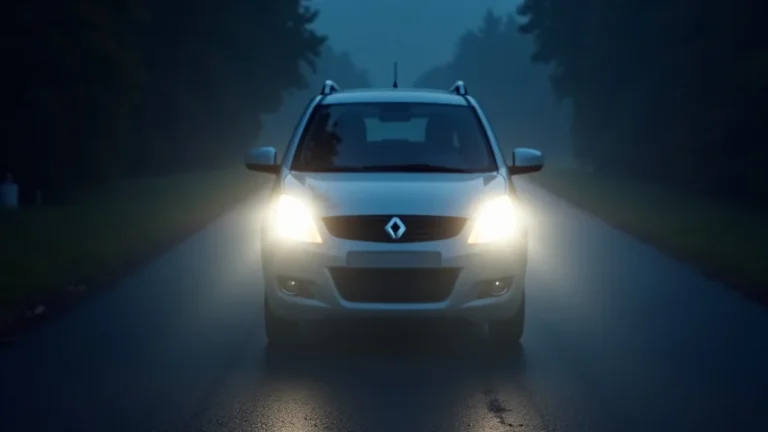
Consider the practical result of dimming. For instance, imagine driving on a dark, winding road. Initially, your new headlights provide a clear and broad view, making it easier to see hazards and other vehicles. After a year or two, you might notice that the same road appears less illuminated. The edges of the road are harder to define, and objects in the distance become more difficult to spot. This gradual change is a key safety concern.
Heat and Its Impact on Headlight Brightness
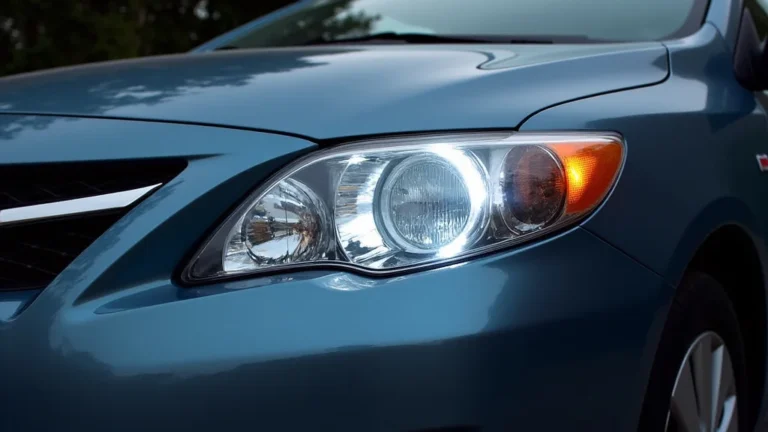
Heat is a significant factor in the dimming of halogen headlights. The intense heat generated by the filament not only produces light but also contributes to the bulb’s degradation. This heat can cause the tungsten filament to evaporate, reducing its thickness and efficiency. Moreover, the heat can affect the bulb’s glass. Over time, heat exposure can cause changes in the glass’s structure, causing it to become less transparent. The lens of the headlight also withstand heat and exposure to ultraviolet (UV) light from the sun, which can cause it to become cloudy or yellowed, reducing light output.
A study published by the National Highway Traffic Safety Administration (NHTSA) found that headlights can lose up to 30% of their brightness within 1,000 hours of use.
Environmental Factors Affecting Headlight Performance
External elements play a role in how long and how well your halogen headlights function. Exposure to UV rays from the sun can degrade the headlight lens material, leading to yellowing or clouding. This changes the way light passes through the lens, reducing the amount of light that reaches the road. Moisture can also seep into the headlight assembly, causing condensation, which further reduces light output. Extreme temperature variations, such as rapid changes between hot and cold conditions, can also stress the headlight components, contributing to the bulbs’ deterioration and reduced brightness.
- UV Exposure: Direct sunlight causes the plastic lens to degrade, making it cloudy and reducing light transmission.
- Moisture and Condensation: Water inside the headlight housing can cloud the lens and interfere with the light output.
- Temperature Fluctuations: Sudden changes in temperature can stress the materials and contribute to premature failure.
- Road Debris: Dust, dirt, and other debris can accumulate on the lens, blocking light.
- Air Pollution: Pollutants in the air can also deposit on the lens, affecting brightness.
Think about a car parked outside in harsh sunlight for extended periods. Over several years, the once-clear headlight lenses may become yellowed or hazy. Now consider the difference in how the headlights illuminate the road at night compared to when they were new. The older headlights with the faded lens will produce significantly less light than a car that’s been properly maintained. This leads to reduced visibility for the driver.
Maintenance and Care for Halogen Headlights
While halogen headlights dim over time, there are steps you can take to slow down the process and maintain their performance. Regular maintenance and care can extend the life of your headlights and improve your driving safety. This includes checking your headlights regularly, cleaning the lens, and knowing when to replace the bulbs. These practices ensure the headlights produce as much light as possible for a longer time, giving you better vision.
Regular Inspections and Cleaning
Checking your headlights is a simple but important aspect of car care. Regularly inspect the lenses for cloudiness, yellowing, or any signs of damage. Any dirt or debris on the lens should be wiped off with a soft cloth and a suitable cleaning solution. Also, note any changes in the light’s appearance, such as if they are not as bright as they were. This can signal the need for a bulb replacement or indicate other issues. Conducting these checks at regular intervals, like every month, will help you identify issues early.
- Visual Inspection: Check the headlight lenses for any cracks, clouding, or discoloration. Look for any moisture inside the housing.
- Bulb Function: Make sure the headlights and other lights, such as turn signals, are working. Have a friend help you.
- Lens Cleaning: Clean the lenses regularly with a special headlight cleaner or mild soap and water.
- Check Beam Alignment: Ensure that your headlights are aimed correctly to ensure they are lighting the road properly and not blinding other drivers.
- Electrical Connections: Check the wiring and connectors for any corrosion or damage, which can affect light output.
Imagine you’re preparing for a road trip. Before you leave, you take a moment to look over your car, including the headlights. You notice that one of the lenses appears slightly clouded. After cleaning the lens with a headlight restoration kit, you realize that the light is now significantly brighter. This makes night driving much safer.
Headlight Lens Restoration
Restoring headlight lenses can significantly improve their performance if they have become cloudy or yellowed. Headlight lens restoration kits are readily available and involve a multi-step process. First, the lens is cleaned to remove any dirt or debris. Next, an abrasive compound is used to remove the top layer of degraded plastic. Finally, a sealant or protectant is applied to prevent future damage. This process can significantly improve the clarity of your headlights and improve the amount of light they produce.
Choosing the Right Replacement Bulbs
When it’s time to replace your halogen bulbs, selecting the right ones is important. Consider the bulb type, which is usually indicated by a specific code (such as H1, H4, or H7), which you can find in your car’s owner’s manual. You may also want to explore higher-performance halogen bulbs that produce more light. However, be aware that these bulbs may have a shorter lifespan. Ensure the new bulbs are the right wattage to match your car’s electrical system, and always avoid touching the glass part of the bulb when installing it, as oil from your fingers can reduce the bulb’s lifespan.
Studies show that replacing headlights every 1-2 years is a good practice to maintain optimal lighting.
Upgrading From Halogen Headlights
If you’re looking for improved performance and longevity, you might consider upgrading your headlights. LED and HID (High-Intensity Discharge) headlights offer significant advantages over halogen bulbs. LEDs are known for their long life and high light output, and they are also energy-efficient. HID headlights produce a very bright, white light, which improves visibility. Each option comes with specific considerations in terms of cost, installation, and compatibility with your car.
Comparing LED and HID Headlights
LED (Light Emitting Diode) and HID (High-Intensity Discharge) headlights are both advanced alternatives to halogen bulbs. LEDs are very energy-efficient, offer long lifespans, and provide instant light. HID headlights, on the other hand, produce a very bright light, often appearing more white or blue, which can improve visibility. When selecting between the two, consider factors like the initial cost, the ease of installation, and how well they suit your driving needs. These options can significantly boost your night driving experience.
| Feature | Halogen | LED | HID |
|---|---|---|---|
| Brightness | Moderate | High | Very High |
| Lifespan | Short (500-1,000 hours) | Long (25,000+ hours) | Moderate (2,000+ hours) |
| Energy Efficiency | Low | High | Moderate |
| Cost | Low | Moderate | Moderate to High |
| Installation | Easy | Variable | Moderate |
A car owner decides to upgrade their headlights. After researching and considering the options, they chose LED headlights due to their long lifespan and bright, clear light. The improved visibility, especially on dark roads, is a major safety benefit. The owner now feels more secure driving at night.
The Benefits of LED Headlights
LED headlights offer a number of advantages. LEDs are known for their exceptional brightness, providing superior visibility compared to halogen bulbs. They also consume less energy, making them more fuel-efficient. In addition, LEDs have a very long lifespan, which means you won’t have to replace them as often. LED headlights also turn on instantly, unlike HID lights that require some time to warm up. Their compact size allows for versatile designs, and they can produce a more focused light beam, reducing glare for other drivers.
- Brightness: LEDs provide brighter, clearer light, improving nighttime visibility.
- Lifespan: LEDs have a long lifespan, reducing the need for frequent replacement.
- Energy Efficiency: LEDs consume less energy, which can save fuel.
- Instant On: LEDs turn on immediately, providing immediate light.
- Design Flexibility: LEDs offer versatile design options for different vehicles.
Considerations for HID Headlights
HID (High-Intensity Discharge) headlights provide a very bright, intense light. They use a gas-discharge technology that creates a powerful light source. HID headlights are known for their strong light output, which can significantly improve visibility at night. However, they typically require more energy than LEDs and have a shorter lifespan. Installation may be more involved because they often require a ballast to regulate the voltage. HID headlights can also be more expensive than halogen bulbs. When considering HID headlights, make sure they are legal in your area and properly aimed to avoid blinding other drivers.
Frequently Asked Questions
Question: Why do my halogen headlights seem dimmer at night?
Answer: Over time, the filament in halogen bulbs wears down, reducing their brightness. Also, the lens can become cloudy or yellowed, blocking some of the light.
Question: How often should I replace my halogen headlight bulbs?
Answer: It’s a good idea to replace them every year or two, or sooner if you notice they’re not as bright as they used to be.
Question: Can I make my halogen headlights brighter?
Answer: You can clean the lenses and make sure the bulbs are the correct wattage, and you can upgrade to high-performance halogen bulbs or consider LED or HID alternatives.
Question: What’s the difference between LED and halogen headlights?
Answer: LED headlights are brighter, more energy-efficient, and last much longer than halogen. They also turn on instantly.
Question: How can I clean my halogen headlight lenses?
Answer: You can use a special headlight cleaner or a mild soap and water solution, followed by a soft cloth to wipe the lens clean.
Final Thoughts
Do halogen headlights dim over time is a natural occurrence caused by the wearing down of the filament and other factors. But by following simple steps, you can keep your headlights working well. Regular inspections, cleaning, and timely bulb replacement are all key. You also have the choice to consider more advanced options like LED or HID headlights, offering improved performance and longevity. These solutions improve nighttime driving and reduce the risk of accidents. Remember to check your lights frequently, keep your lenses clean, and replace your bulbs when needed. By doing this, you’ll ensure that you have bright, reliable headlights for safe driving, no matter the conditions.