Can You Put LED Headlights in Any Car A Simple Guide
Thinking about upgrading your car’s headlights? The question of can you put led headlights in any car is a common one, especially for car beginners. It can seem a bit tricky because different cars have different headlight systems. Don’t worry, though! It’s usually easier than you think. This guide is here to help you get the right information to make the upgrade. We will explore how to do this safely and easily in a series of steps.
Choosing the Right LED Headlights
The initial step to improving your car’s illumination involves picking the appropriate LED headlights. This selection process is essential as the wrong choice can lead to issues with your car’s electrical system, poor light output, or even legal complications. Several aspects influence the selection of LED headlights, including the bulb size, the color temperature, and the specific vehicle model. Careful consideration of these elements ensures a successful and compliant upgrade that enhances your driving safety.
Understanding Bulb Types
Different cars utilize various types of headlight bulbs. Before purchasing LED headlights, it is critical to determine your car’s specific bulb type. This information is typically found in your car’s owner’s manual or printed on the original headlight bulb itself. Common bulb types include H1, H4, H7, H11, and 9005/HB3. Incorrectly matching the bulb type can prevent the LED headlights from fitting into the housing. This may also cause them not to function. Therefore, carefully identifying the right bulb type is the initial and a vital step. You can also use online tools, such as bulb finders, using your car’s make, model, and year to find the correct bulb.
- H1: Often used in fog lights or high beams, known for their single-filament design.
- H4: Features both high and low beams within a single bulb, making them a common choice for older vehicles.
- H7: Typically used for low beams, known for their bright and focused light.
- H11: Commonly used in low beams and fog lights, providing a wider beam pattern.
- 9005/HB3: High-beam or fog light, these bulbs provide intense light output.
H1 bulbs are a straightforward design, suitable for specific headlight applications. They are designed for simple installation and effective light output. Their single-filament structure contributes to their focused light beam, making them appropriate for their designed uses.
The H4 bulbs provide both high and low beam functionality. This makes them a convenient option for headlights that require both functions from one source. The dual-filament structure of H4 bulbs allows for easy switching between high and low beams, making them versatile for different driving conditions. However, the design is becoming less common in newer cars.
H7 bulbs are a standard choice for low beam headlights, providing strong and focused illumination. Their design focuses on producing a bright light output, increasing visibility. H7 bulbs are known for their efficiency and reliability, making them a preferred option for drivers seeking an upgrade.
H11 bulbs are often used in low beam and fog light applications, designed to provide a wider beam pattern. This wider spread enhances visibility during difficult weather conditions. They offer a good balance of brightness and beam coverage. These bulbs are a common choice for those looking to improve their vehicle’s lighting performance.
9005/HB3 bulbs are mostly used as high beam or fog lights. They are created to offer intense illumination. These bulbs are known for their bright output. They are a good choice for drivers who want to enhance the distance they can see while driving at night or in areas with poor lighting.
Color Temperature Considerations
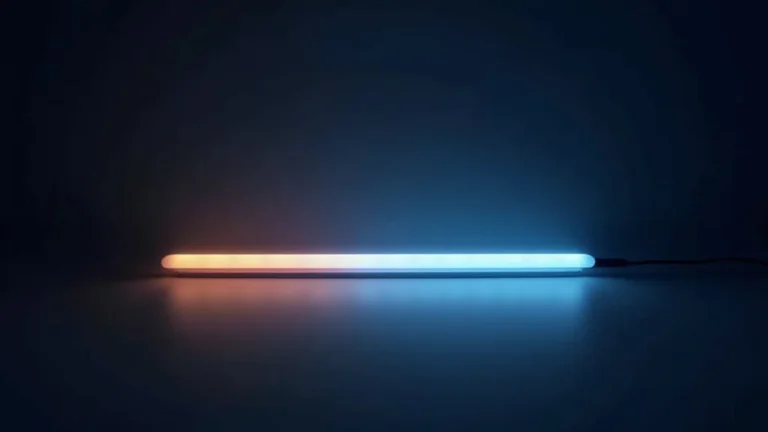
The color temperature of LED headlights is measured in Kelvin (K). This measurement impacts the appearance and visibility of the light. A lower Kelvin rating, such as 3000K, produces a yellowish light, while higher ratings, like 6000K, emit a bright white or bluish light. While a higher Kelvin rating may look visually striking, it doesn’t always equal better visibility. The best color temperature depends on personal preference and the driving conditions. Selecting the appropriate color temperature impacts both the aesthetics and practicality of your LED headlight upgrade, influencing the overall driving experience.
- 3000K-4000K: Produces a warm, yellowish light, which is good for rain and fog.
- 4500K-5500K: Emits a pure white light, closely resembling natural daylight, and offers excellent visibility.
- 6000K and above: Produces a bright white or slightly bluish light, often chosen for aesthetic appeal.
This range emits a warm, yellowish light, which is particularly useful in challenging weather conditions such as rain or fog. The yellowish tint helps reduce glare and improve visibility in adverse conditions. This color temperature is often chosen for its practicality in various driving scenarios.
This range produces a pure white light, similar to natural daylight, making it a favorite choice. It provides optimal visibility, enhancing clarity and visual acuity while driving at night or in dark environments. This color temperature is a popular selection for drivers who seek maximum visibility and a clean, modern look.
Color temperatures at 6000K or more generate a bright white or slightly bluish light. It is often selected for its aesthetic appeal, giving a sleek and modern look. However, the light from these bulbs might be less effective in certain weather conditions. This makes these bulbs best suited for drivers prioritizing style.
Vehicle Compatibility
Not all LED headlights are compatible with every car. Therefore, always verify compatibility before purchasing. Most reputable manufacturers provide vehicle fitment guides to help you make the right choice. These guides specify the models and years that a product will fit, helping you avoid errors. Ensure your chosen LED headlights are compatible with your car’s electrical system to prevent issues. Checking compatibility ensures the LED lights function correctly and safely in your vehicle. Always cross-check the headlight’s specifications with your car’s manual before making a purchase.
- Check the owner’s manual. The owner’s manual specifies bulb types.
- Use online fitment tools. Many websites offer tools to verify compatibility.
- Consider any modifications. Some cars may need extra components.
The vehicle’s owner’s manual is a valuable resource that details the specific bulb types your car uses for headlights, fog lights, and other lighting components. It provides accurate information. Using the owner’s manual avoids the risk of getting the wrong type of LED headlight. Always cross-reference the manual to confirm the right bulb before purchasing.
Online fitment tools are available on many websites, allowing you to enter your car’s details. These tools provide a quick way to confirm compatibility with specific LED headlight models. This reduces the risk of incorrect purchases. Always use these tools to confirm the proper fit before completing your purchase.
Some cars may require extra components, like load resistors or CAN-bus adapters, to ensure the LED headlights work correctly without causing errors. These modifications are important for those vehicles with sensitive electrical systems. It’s important to know the modifications needed to ensure your car’s electrical system is working properly.
Installing LED Headlights
After choosing the correct LED headlights, the next step involves the installation process. Although it can seem complicated, installing LED headlights usually follows a similar process, which depends on the car’s design. The process is generally straightforward and may require only basic tools. Understanding these procedures ensures a smooth and effective upgrade of your car’s lighting system. Correct installation not only ensures optimal performance but also prevents damage to the vehicle’s electrical system.
Gathering Essential Tools
Before beginning the installation, gather all necessary tools. Having the right tools makes the process easier and helps prevent potential damage. Standard tools usually include a screwdriver, pliers, and a wrench. Some vehicles may require specialized tools, which are identified in the vehicle’s manual. Making sure you have the right tools on hand streamlines the process, leading to a safer, more efficient installation. Having the correct tools also enhances the overall outcome of the upgrade.
- Screwdriver: Used to remove screws that secure the headlight assembly.
- Pliers: Used for disconnecting and reconnecting wiring harnesses.
- Wrench: May be needed to loosen or tighten bolts.
- Gloves: Protect your hands and improve grip.
A screwdriver is one of the most basic tools needed during the installation process. It’s often used to remove the screws that secure the headlight assembly and other related components. Using the right screwdriver can avoid stripping screws, which makes it easier to remove them. Always select the appropriate size and type of screwdriver for the job.
Pliers are often needed to disconnect and reconnect wiring harnesses. These are frequently used when swapping the old bulbs for the new LED headlights. Proper use of pliers protects the wires from damage. It is a good practice to use insulated pliers to prevent accidental electrical shocks.
A wrench might be needed to loosen or tighten bolts, especially those that attach the headlight assembly to the car frame. Make sure you use the appropriate wrench size. You will avoid over-tightening or damaging the bolts, ensuring a safe and secure installation. Having a set of wrenches in different sizes is very useful during the installation process.
Wearing gloves protects your hands from dirt, cuts, and abrasions. They can also improve your grip. Gloves add a layer of protection that will keep your hands safe during the whole process.
Removing the Old Headlights
Removing your car’s old headlights is an important step. This process prepares the car for the LED headlight installation. The procedure varies based on your car’s make and model. The following general steps describe the general procedure, though specific instructions will depend on your vehicle. It is important to know the specific instructions for your vehicle.
- Accessing the headlight assembly. Open the hood and locate the headlight assembly.
- Disconnecting the electrical connector. Unplug the wiring harness from the back of the headlight.
- Removing the bulb. Remove the old bulb from the headlight housing.
- Removing the headlight assembly. Remove the entire headlight assembly (if needed).
The first step is to open the hood of your car. Identify the headlight assembly. Typically, it’s located near the front corners of the car. It is important to have good lighting to see clearly and to get ready for the next steps.
Carefully unplug the electrical connector from the back of the headlight. This connector supplies power to the bulb. Be careful when doing this to prevent damage. Disconnecting the electrical connector ensures that you’re not working with a live electrical circuit.
Once the electrical connector is detached, remove the old bulb from its housing. How the bulb is secured depends on your car. Take note of how the original bulb is installed for reference. This step is important for making sure you install the new LED headlight correctly.
Depending on your car, you may need to remove the whole headlight assembly. There will be screws or clips. Carefully remove them. Set the headlight assembly aside carefully.
Installing the New LED Headlights
The installation of new LED headlights involves inserting the LED bulbs into the housing and connecting them to your car’s electrical system. This process
- Inserting the LED bulb. Insert the new LED bulb into the headlight housing.
- Connecting the electrical connector. Reconnect the wiring harness.
- Securing the LED bulb. Secure the LED bulb in place.
- Reassembling the headlight. Reassemble the headlight assembly.
Carefully insert the LED bulb into the headlight housing. Ensure it is firmly seated to prevent any issues with the light beam. You will need to check how the old bulb was placed for reference. Be careful not to touch the glass part of the LED bulb, as this can affect its performance. Make sure it is installed securely.
Re-attach the wiring harness to the LED bulb. This connector provides power to the LED headlight. Double-check that the connector is firmly attached. Make sure the connection is secure to make sure the lights function correctly. This is very important to ensure the LED headlights work properly.
Make sure the LED bulb is securely positioned inside the headlight housing. The method of securing the bulb will depend on your car. Ensure it is fastened to prevent vibration. A secure bulb will maintain its performance over time. This helps to make sure that the light beam is directed as intended.
If you removed the entire headlight assembly, reattach it to the car. Use the same screws and clips that you took off. Ensure everything is correctly in place and secure before you proceed to test your new LED headlights. Correct reassembly is essential for the function and look of your car’s headlights.
Troubleshooting and Additional Tips
Occasionally, you might face some issues during or after the LED headlight installation. This includes lights not working, flickering, or errors on your car’s dashboard. Several common problems often arise due to incompatibility issues. Understanding these common problems will help you troubleshoot and resolve any issues quickly and efficiently. By addressing these common issues, you can ensure your LED headlights function reliably. This enhances both the safety and performance of your car’s lighting system.
Addressing Common Problems
Sometimes, problems can pop up when you are installing your LED headlights. This section offers troubleshooting suggestions for common problems. These solutions address many possible issues. You should check each issue, as that will help diagnose the problem. Common problems include lights not turning on, flickering, or your car’s computer showing error messages. By following these steps, you can fix common LED headlight issues and make sure your headlights are working well.
- Lights not turning on: Check all connections and the bulb’s alignment.
- Flickering lights: Install a CAN-bus adapter to stabilize the power supply.
- Error messages on the dashboard: Install load resistors to simulate the load of a standard bulb.
- Incorrect beam pattern: Adjust the headlight housing.
If your LED headlights don’t turn on, start by checking all connections. Verify that the wiring harness is fully connected. The bulb might not be aligned correctly. Review the steps to ensure everything is connected as it should be. Correcting any loose connections may solve the issue. Proper alignment ensures that the bulb is correctly positioned inside the housing.
If the LED headlights flicker, it often means there’s an issue with the car’s electrical system. Many cars need a CAN-bus adapter. This adapter ensures a consistent power supply to the LED bulbs. This often fixes the flickering problem. Adding a CAN-bus adapter can fix the problem. This will ensure stable operation.
Some vehicles may display error messages on the dashboard. This often happens because the LED headlights draw less power than standard bulbs. Installing load resistors can help. Load resistors simulate the power draw of standard bulbs. This prevents the car’s computer from triggering error messages. Adding load resistors can solve this issue.
If you see an incorrect beam pattern, it might be an issue with headlight alignment. Many headlight assemblies include adjustments. Check the user manual for how to fix the headlight alignment. Properly aligning the headlights guarantees you’re getting the best possible illumination. It ensures the light is correctly focused on the road.
Additional Tips and Advice
Alongside troubleshooting, several extra pieces of advice can enhance your LED headlight upgrade experience. These tips ensure a smooth installation and enhance the overall performance and longevity of your new headlights. These tips are important for your LED headlights to function well. Keeping the advice in mind helps ensure a successful upgrade that improves the appearance and safety of your vehicle. Applying these tips ensures your lighting is optimized for driving.
- Buy from a trusted brand: Prioritize products from reputable brands.
- Check local regulations: Make sure the LEDs you select meet all local rules.
- Consider the beam pattern: Choose LED headlights with the correct beam pattern.
- Seek professional help: If uncertain, seek help.
Always purchase your LED headlights from a reputable brand. This helps ensure that you get high-quality products. Reputable brands offer better product quality and support. Good brands often provide warranties, offering help if something goes wrong. High-quality products generally last longer and perform better. You can often check customer reviews to make sure the brand is trusted.
Before buying or installing LED headlights, check your local laws. Some areas may have rules about headlight color temperature or brightness. Checking local regulations helps you avoid problems with law enforcement. Always ensure your chosen LEDs comply with all local laws and regulations. You can research regulations online or check with local authorities.
When selecting LED headlights, make sure they have the right beam pattern. A good beam pattern is crucial for safety. It ensures the light is correctly focused on the road. It helps you see clearly without causing glare to other drivers. A well-designed beam pattern ensures that you have maximum visibility. Make sure the LED headlights you choose provide an appropriate beam pattern.
If you’re unsure or lack experience, consider asking a professional to install your LED headlights. A professional has the experience and tools. They can ensure the installation is done correctly. They can avoid mistakes. They will ensure that the lights are working as they should. Seeking professional help saves time and prevents potential errors.
Can You Put LED Headlights in Any Car Legally?
It is important to understand the legal aspects of upgrading to LED headlights, as it can affect whether you can put LED headlights in any car. This also impacts driving safety and road compliance. The rules regarding LED headlights vary from place to place. These regulations cover color temperature, brightness, and beam patterns. Always understanding and complying with these regulations is essential for legal compliance.
Legal Regulations
The legal regulations related to LED headlights vary based on your location. Knowing these rules is important to make sure the upgrades comply with the law. These laws manage the standards for car lights. They cover many aspects, from the color of the light to how bright it is. Knowing these regulations protects drivers from penalties. It guarantees they are safe to use on public roads. Understanding these rules is a key step.
- Local Laws: Research your local rules.
- Color Temperature: Most regions may limit the color of headlights.
- Brightness Levels: Regulations often set maximum light output levels.
- Beam Pattern: It must be designed to properly light the road.
It’s important to research your local laws before upgrading your headlights. Laws will vary by region or country. Check your state or local laws to learn more. These laws will tell you what’s allowed. You can learn this information on your local government’s website. It helps you avoid any legal problems. This will make sure that the LEDs are compliant and safe.
Regulations often specify the allowed color temperature range for headlights. For instance, some areas may ban certain blue-tinted lights. Other colors may be allowed. Make sure the color temperature of your LEDs meets your local rules. You can find this information on the websites for your local agencies. Make sure the LEDs meet all the legal requirements.
Many jurisdictions limit the brightness of headlights. These rules are in place to reduce glare. This increases road safety. Check the maximum light output allowed. This should be measured in lumens or candela. Meeting these standards keeps you safe and legal.
The beam pattern of the headlights is an important factor. Regulations often specify that the beam pattern must illuminate the road properly. It should not cause problems for other drivers. Your LEDs should be designed to give good visibility. They also need to be compatible with your car’s design.
Vehicle Inspection
You might be wondering, “can you put led headlights in any car,” if they will pass inspections. After installing LED headlights, many areas require vehicle inspections. These inspections confirm the compliance of the lighting system with local laws and safety standards. Vehicle inspections are an important part of making sure that cars are safe. Properly installed and compliant LED headlights are more likely to pass these inspections. This helps guarantee your car meets all local requirements.
- Purpose of Inspections: Ensure safety and compliance with lighting rules.
- Inspection Criteria: Beam pattern, color temperature, and brightness.
- Failing Inspection: Reasons for failure, and how to resolve issues.
The primary purpose of vehicle inspections is to ensure road safety and compliance with local regulations. Lighting is a key component. They test for correct headlight function. Inspections make sure that your car’s lighting system complies with the legal requirements.
During the inspection, the inspector checks several key aspects of your headlights. The inspector looks at the beam pattern. The color temperature and brightness are checked. Make sure your headlights pass all these criteria. That will increase the chances of passing the inspection. Checking your LED headlights before the inspection increases your chance of passing.
If your LED headlights fail the inspection, it often means they don’t meet local standards. Common reasons for failure are an incorrect beam pattern, color temperature, or brightness. To fix these issues, you might need to adjust your headlights. Sometimes you may need to replace them. Always fix any issues before you have the vehicle re-inspected.
Consequences of Non-Compliance
Not following LED headlight regulations can result in different consequences. These issues will range from getting warnings to fines. In some cases, it can cause more serious legal actions. It’s important to know the potential penalties. It’s also critical to make sure that the LED headlights you choose meet local standards. Knowing what could happen if you don’t meet standards will help prevent future legal problems.
- Warnings: First offenses may lead to a warning.
- Fines: Fines for non-compliance.
- Vehicle Impoundment: In severe cases, vehicle impoundment.
If you don’t follow headlight regulations, you may first get a warning. This is a notification that your headlights don’t meet requirements. Warnings will often mean you have time to fix the problem. You will need to bring your car into compliance. Take the warning as a chance to upgrade your lights safely. Make sure you fix all issues before getting into more serious problems.
For not following the rules, you can get a fine. Fines vary. They depend on the law and how serious the offense is. The amount of the fine might make the situation very expensive. To avoid fines, always ensure your LED headlights follow local laws. You can check the rules to make sure your lights are safe.
In certain situations, not following headlight rules could lead to vehicle impoundment. This happens in severe cases. This is especially true if non-compliant lights cause safety problems. Having your car impounded would be very inconvenient and expensive. You can avoid this by using compliant LED headlights. Making sure your lights meet all rules can help make sure this won’t happen.
Can You Put LED Headlights in Any Car Safely?
The primary consideration for upgrading to LED headlights is safety. Safe installations and usage are necessary to keep you and other drivers safe. Safe practices can prevent injuries and collisions. This section will look at aspects of safety. These will include how to use the headlights and potential hazards.
Safety Considerations
When you’re upgrading to LED headlights, you have to think about a few important things to be safe. You have to consider light brightness, the beam pattern, and the impact on other drivers. This ensures that the upgrade increases your safety. It also does not create a dangerous situation for anyone else on the road. Following these safety instructions will make sure you are safe.
- Brightness: Avoid excessively bright lights that could blind other drivers.
- Beam Pattern: Ensure the beam pattern is well-adjusted.
- Impact on Other Drivers: Consider how the new lights impact those around you.
Make sure your LED headlights are not too bright. Extra bright lights can blind other drivers. They can also create unsafe situations. Many local rules set limits on how bright headlights can be. Follow the rules to keep other drivers safe. Choose LED headlights that are bright, but do not blind other drivers.
The beam pattern from your headlights directs the light onto the road. You must make sure your LED headlights have a suitable beam pattern. Make sure they direct the light where it should go. A bad beam pattern will decrease your visibility. It may also cause glare. Make sure your headlights’ beam pattern meets your local rules.
Think about how your LED headlights might affect other drivers. Always avoid causing glare. Make sure your lights do not bother oncoming traffic. You will improve safety by checking that your headlights do not blind other drivers. Do not cause distractions.
Preventing Glare and Improving Visibility
One of the main challenges with LED headlights is glare. To use your LED headlights safely, you need to understand glare. It is very important to improve visibility. You also need to learn how to minimize the impact on others on the road. Proper beam adjustment, correct color temperature choice, and regular maintenance are very important. Doing these steps correctly will increase safety.
- Beam Adjustment: Adjust the headlights.
- Color Temperature: Choose the right color temperature for visibility.
- Regular Maintenance: Regularly inspect and maintain your headlights.
Adjust your headlights to make sure they shine at the correct angle. This will help you see the road clearly. It will also reduce glare. You will need to learn how to adjust your headlights. Your owner’s manual will show you how to do it. Properly adjusting the headlights is a simple way to improve road safety.
Choosing the correct color temperature helps with visibility and minimizes glare. Select a color temperature that improves your ability to see without dazzling other drivers. It’s often best to stick with a cooler white or slightly yellowish light. This will balance brightness and visibility.
Keep your headlights in good condition by checking them often. You can check the lenses. Make sure they are clean and free of cracks. A dirty or cracked headlight can change the beam pattern. This can cause more glare. Regular maintenance helps guarantee that your LED headlights work safely and efficiently.
Potential Hazards and Precautions
While upgrading to LED headlights has many advantages, you must be aware of possible hazards and what you can do to prevent them. These include electrical system problems, overheating, and potential damage to the car’s lighting components. By understanding and taking safety measures, you can avoid these problems. This helps ensure that your LED headlight upgrade is both effective and safe for you and other drivers. By taking safety precautions, you can reduce these risks.
- Electrical Issues: Ensure the lights are compatible with your car.
- Overheating: Prevent overheating.
- Component Damage: Protect the lights.
Make sure your LED headlights are compatible with your car’s electrical system. This helps prevent electrical system problems. Always check your car’s electrical requirements before you buy new lights. If your car isn’t compatible, it might not work. It can also cause problems. Using compatible LEDs guarantees your car’s electrical system will remain in good condition.
LED headlights can sometimes generate heat. Overheating can cause them to break and damage surrounding parts. You can prevent this with proper ventilation. Also make sure the LED headlights have enough space. Use heat sinks to cool the lights down. By taking precautions, you will help your lights work properly.
Make sure you handle the lights with care and install them correctly. This will prevent damage to the lighting components. Ensure you understand how to install them. Use the right tools. If you’re not sure how to install them, then get help from a professional. Proper installation and handling extends the life of your LED headlights. This keeps them working as they should.
Frequently Asked Questions
Question: What do I need to determine my car’s headlight bulb type?
Answer: You can find your car’s headlight bulb type in your owner’s manual or by looking at the markings on the original bulb.
Question: How do I know if the LED headlights will fit my car?
Answer: You should check for compatibility with online fitment tools. You can also consult with the LED headlight manufacturer or look at your car’s owner’s manual.
Question: What is a CAN-bus adapter, and why do I need one?
Answer: A CAN-bus adapter stabilizes the power supply to the LED bulbs. Many cars need them to prevent flickering or error messages.
Question: Can I install LED headlights myself, or do I need a professional?
Answer: Many people install LED headlights themselves. However, if you are not comfortable or lack experience, it’s best to seek help from a professional.
Question: What should I do if my LED headlights don’t work after installation?
Answer: First, check the connections. Make sure that the bulbs are properly seated. If the issue continues, check for any error codes. You may need to install load resistors or consult a professional.
Final Thoughts
Upgrading to LED headlights is a great way to improve your car’s appearance and visibility. Knowing if can you put led headlights in any car is a question with many answers. The installation process usually involves replacing the old bulbs with new LED ones. Careful selection and proper installation are essential for safety and effectiveness. By understanding bulb types, considering color temperature, and making sure the lights match your car, you can make an informed decision. Remember that safety is key: ensure your headlights have the correct beam pattern and don’t blind other drivers. Before starting, check your local rules. If you follow these guidelines, you will enjoy a brighter and safer driving experience. Good luck with the upgrade!