Are Colored Headlights Legal? A Guide for Drivers
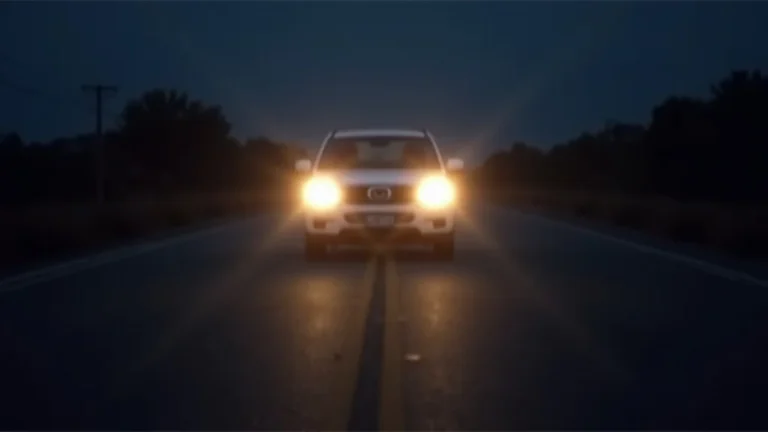
Picture this: you’re cruising down the road at night, and you spot a car with vibrant, eye-catching headlights. They might be blue, green, or even purple! It definitely makes the car stand out. But then, a question pops into your head: are colored headlights legal? This guide will explore the rules surrounding colored headlights, breaking down the specifics to help you stay compliant. You’ll gain a clear picture of what’s allowed and what could land you in trouble, helping you avoid any unwanted tickets or fines. It will help you improve your knowledge and avoid potential problems, saving you time and stress.
Regulations Surrounding Headlight Colors
The legality of colored headlights varies significantly based on where you live. Each state has its own set of rules and regulations. Some states have very specific laws about headlight colors, while others might be more lenient. These laws are put in place to ensure visibility and the safety of everyone on the road. The main objective is to reduce the risk of accidents by promoting clear visibility for all drivers. These regulations are not arbitrary. They are carefully designed to balance aesthetic preferences with public safety.
State-Specific Rules
It is important to know your local rules to ensure compliance. The best way to get the most accurate and up-to-date information is by checking the official sources. This usually means going to your state’s Department of Motor Vehicles (DMV) website or contacting a local law enforcement agency. These sources provide the most current and specific guidelines. Relying on these official channels helps you avoid misinformation and potential legal issues. This information can vary considerably, so it is necessary to check the rules for the state in which you live.
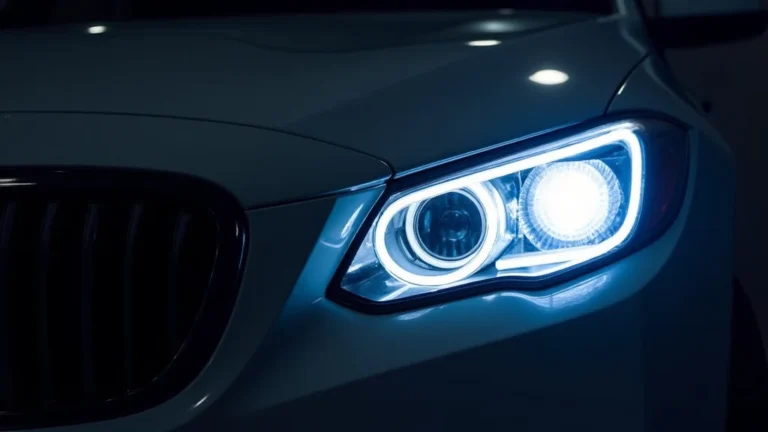
- Blue Headlights: Blue headlights are generally prohibited in most states. They can be perceived as emergency vehicle lights. This can cause confusion and potentially lead to accidents.
- Red Headlights: Red headlights are also typically illegal. This color is often reserved for the rear of the vehicle, and using it in the front can cause confusion for other drivers.
- Other Colors: Colors like green, purple, and certain shades of yellow are often restricted. Check your local laws, as they vary widely. Some states permit amber or yellow headlights.
Federal Motor Vehicle Safety Standards
At the federal level, the National Highway Traffic Safety Administration (NHTSA) sets standards for vehicle safety. These standards don’t directly specify headlight colors but focus on light output, beam patterns, and visibility. The primary concern of the NHTSA is how well a vehicle’s lights perform in providing adequate illumination. Although they set the guidelines, the enforcement of color restrictions falls primarily under state jurisdiction. Compliance with federal standards is crucial for overall vehicle safety, while local laws add specific regulations.
Exploring the Legal Boundaries of Headlight Colors
The rules about what headlight colors are legal depend mostly on the specific state laws. Some states may permit specific colors or shades, while others may strictly limit the colors allowed. Violating these rules may result in traffic tickets and fines, which can impact your driving record. It’s crucial to explore these legal boundaries thoroughly. Doing so ensures that you remain within the limits and operate your vehicle safely and responsibly.
Permitted Colors and Restrictions
Although the landscape surrounding headlight color regulations is complex, there are often exceptions and nuances. Some states permit specific colors or shades, particularly for fog lights or accent lighting. However, there are usually conditions, such as the color needing to be a specific shade of yellow or amber. It’s important to be aware of all restrictions to avoid potential violations. Always consult local laws. Always prioritize road safety when customizing your vehicle’s lighting.
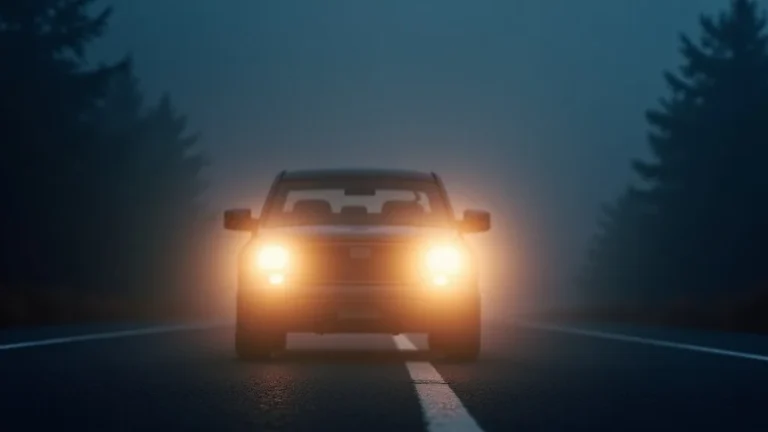
- Amber or Yellow: Amber or yellow lights are often permitted for fog lights. They are considered effective in poor weather conditions, such as fog or snow, as they penetrate through the weather.
- White: White headlights are standard and widely accepted. The intensity and direction of white lights are regulated to provide enough illumination without blinding other drivers.
- Accent Lighting: Some states allow accent lighting with specific color restrictions. This is often limited to specific parts of the car, like underbody lights, and cannot mimic emergency vehicle lights.
Penalties for Violations
The penalties for using illegal headlight colors vary from state to state. These can range from a simple warning to a fine. Repeated offenses might result in more severe penalties, such as points on your driving record. In some cases, vehicles may be required to undergo inspections to ensure compliance before they can be driven again. The penalties are designed to discourage non-compliance and maintain road safety. Knowing the potential consequences can influence your decisions about headlight customization.
- Fines: This is the most common penalty. The amount of the fine varies depending on the state and the severity of the violation.
- Points on Your Record: In many states, a ticket for illegal headlights will result in points added to your driving record. Accumulating too many points can lead to increased insurance premiums or license suspension.
- Vehicle Inspection: In some cases, your car might be required to pass an inspection. This confirms that the vehicle meets all legal requirements before being allowed back on the road.
The Technology Behind Headlights
Understanding the technology behind headlights provides insight into the importance of color regulations. The evolution from basic incandescent bulbs to advanced LED and HID (High-Intensity Discharge) systems has changed how headlights function. These modern technologies offer improvements in terms of efficiency, brightness, and light distribution. Each technology has its own benefits and considerations regarding color output.
Incandescent, HID, and LED: A Comparison
The type of light technology used in headlights greatly impacts the color and performance. Incandescent lights are the oldest type. They produce a warm, yellowish light. HID headlights use a gas-discharge technology. They produce a brighter, often bluish-white light. LED headlights are becoming increasingly popular. They offer energy efficiency and allow for various color temperatures.
| Feature | Incandescent | HID | LED |
|---|---|---|---|
| Efficiency | Low | Moderate | High |
| Brightness | Low | High | High |
| Color Options | Limited (Yellowish) | More (Bluish-white) | Wide Range (including color customization) |
- Incandescent: These are the most common and affordable type. However, they are less energy-efficient. Their color output is usually a warm, yellowish light, which is generally legal.
- HID: HID headlights produce a very bright light, often appearing bluish or white. They are known for their intensity but may not be legal in all states depending on color.
- LED: LEDs are very energy efficient. They provide a wide range of color options. Their longevity and ability to customize color outputs make them a popular choice.
Color Temperature and Headlight Appearance
Color temperature is measured in Kelvin (K). This impacts how headlights appear to the eye. Lower Kelvin values (around 2700K) result in a warm, yellowish light. Higher values (6000K+) produce a cooler, bluish or even purplish light. The legal standards often take color temperature into account, as certain colors can be distracting or be mistaken for emergency vehicles.
Here’s an example: A 3000K headlight will produce a yellowish glow. A 6000K headlight will give off a bright white or slightly bluish tone. Headlights with a color temperature above 6000K can appear blue or even violet.
Real-World Examples and Scenarios
Real-world examples show how headlight regulations are applied in practice. These scenarios demonstrate the impact of colored headlights and the practical consequences drivers face. These examples underscore the significance of compliance and the importance of being knowledgeable about local laws.
Case Study 1: The Blue Headlights Incident
A driver installed blue headlights on their vehicle, assuming they would enhance the look of the car. However, they were pulled over by law enforcement one night. They were issued a traffic citation and given a warning. The driver had to
Case Study 2: The Amber Fog Lights
Another driver selected amber fog lights. This color is often permitted in many states for fog lights, as amber light penetrates fog. The driver found the amber lights to improve visibility during inclement weather conditions. This also improved their safety. This example shows that compliance with headlight color laws can be beneficial.
- Scenario A: You want to upgrade your car’s headlights. Before making the purchase, you research your local state’s vehicle codes, ensuring the selected color and output are legal.
- Scenario B: You’re driving at night and notice a vehicle with bright blue headlights. You become confused, as you have trouble distinguishing it from an emergency vehicle. This makes you recognize the safety implications of illegal headlight colors.
Frequently Asked Questions
Question: Are all blue headlights illegal?
Answer: Generally, yes. Blue headlights are often restricted because they can be mistaken for emergency vehicle lights. Check your local laws for specific regulations.
Question: Can I change my headlights to any color?
Answer: Not in most places. The colors permitted vary by state. Common restrictions exist for blue, red, and other non-standard colors. Check your state’s DMV website.
Question: Are fog lights the same as headlights?
Answer: No. Fog lights are usually mounted lower on the vehicle. They are designed for use in foggy or low-visibility conditions. They often have different color rules.
Question: What’s the main reason for headlight color restrictions?
Answer: The primary reason is safety. Regulations limit certain colors to avoid confusion with emergency vehicles. They also ensure adequate visibility for all drivers.
Question: Where can I find the headlight color rules for my state?
Answer: The best places to find information include your state’s Department of Motor Vehicles (DMV) website. You can also consult with local law enforcement agencies.
Final Thoughts
Knowing are colored headlights legal is essential for all drivers. The rules surrounding headlight colors and the use of these lights vary significantly by location. Understanding these regulations is important to avoid legal trouble, such as fines or other penalties. Before making changes to your vehicle, research your state’s specific laws. Always prioritize your safety and the safety of others by complying with headlight regulations. Drive safe and enjoy the road.