Can Am Renegade Headlights: A Comprehensive Guide for Riders
Picture this: you’re tearing through a muddy trail on your Can-Am Renegade, the adrenaline pumping, and the sun starting to dip below the horizon. Suddenly, visibility drops, and your stock headlights just aren’t cutting it. That’s when you realize the importance of quality lighting. This guide explores everything you need to know about can am renegade headlights, from choosing the right ones to installation tips and maintenance. You will gain valuable insights to improve your riding experience, increase safety, and confidently conquer any terrain. By the end, you’ll be able to make informed decisions and transform your Renegade’s nighttime capabilities.
Choosing the Right Can Am Renegade Headlights
Selecting the correct headlights for your Can-Am Renegade is critical for safety and performance. You’ll encounter many options, each with unique features and benefits. The original headlights that come with your ATV are often adequate for general riding, but they may not provide sufficient illumination for off-road adventures, especially during dawn, dusk, or nighttime. Upgrading offers several advantages. You can significantly improve your visibility, allowing you to spot obstacles, wildlife, and changing trail conditions more easily. Moreover, the style and performance of newer headlights can enhance the appearance of your ATV.
Headlight Types and Technologies
The marketplace offers several headlight types. Each one uses different technologies and provides unique benefits. Examining the advantages of each type will allow you to select the best option for your riding requirements.
- Halogen Headlights: These lights are the most common and affordable type. They use a filament that glows when heated by electricity. They provide a warm, yellowish light and are typically easy to install.
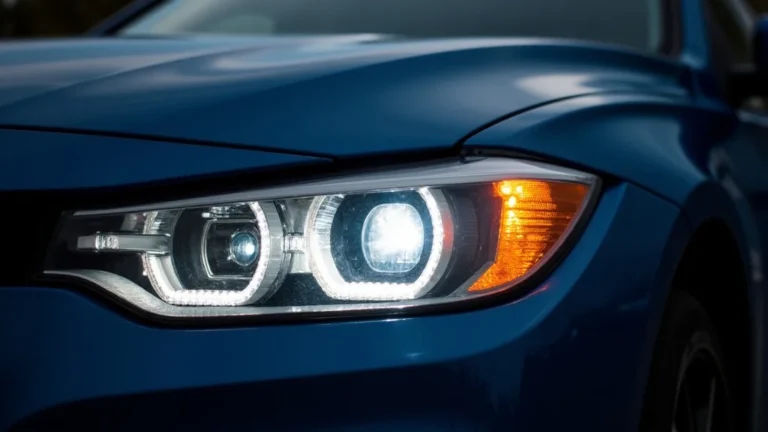
- LED Headlights: LED lights are becoming increasingly popular due to their high efficiency and long lifespan. They use light-emitting diodes to produce a bright, white light. They consume less power and can last much longer than halogen bulbs.
- HID Headlights: HID (High-Intensity Discharge) headlights use an arc of electricity to create light within a gas-filled bulb. These lights produce a bright, bluish-white light and often provide excellent visibility.
Halogen lights are cost-effective and readily available, but they produce less light output compared to other options. They also have a shorter lifespan. Replacing them is simple, but they are generally less efficient in converting electricity into light. These lights work well for riders on a budget or those needing basic lighting solutions.
LED (Light Emitting Diode) technology has revolutionized the headlight market with their high performance and efficiency. They are very bright, offering superior visibility, and they consume less energy, which can extend the battery life of your Renegade. LED headlights also tend to be more durable and resistant to vibrations, which is very useful on rugged terrain. You will frequently find them in various designs and beam patterns for your specific riding needs.
HID lights provide very bright illumination. Their light output is stronger than halogen and, in many cases, superior to LED. However, HID lights can take a moment to reach full brightness after being turned on, and they need a ballast to operate. This adds a level of complexity to the installation. Some riders favor the intense light they produce, especially for night riding.
Beam Patterns and Light Output
Beyond the type of headlight, the beam pattern and light output are vital factors. The beam pattern directs the light, influencing how you see the trail ahead. Light output is measured in lumens, with higher numbers indicating brighter lights. Choosing the right beam pattern and light output depends on your riding environment and preferences.
- Spot Beam: Concentrates light in a narrow, focused beam. Ideal for long-distance visibility.
- Flood Beam: Disperses light over a wide area. Useful for illuminating a larger space.
- Combo Beam: Combines spot and flood beams for both distance and width illumination.
- Lumens: The measurement of the total amount of visible light emitted.
A spot beam concentrates light into a narrow, intense beam. This is helpful for spotting objects far in the distance. This beam pattern is very useful for fast trail riding or racing, as it allows you to see potential hazards well in advance. However, the limited spread may not provide adequate peripheral vision when you encounter obstacles or wildlife on the sides of the trail.
Flood beams provide a wide spread of light. They’re excellent for illuminating a larger area. Flood beams are perfect for technical riding, navigating tight trails, or working in the dark. They sacrifice some distance visibility for a broader field of view, helping you notice obstacles and track the terrain better.
A combo beam gives you the best of both worlds. It combines a spot beam for distance with a flood beam for broader coverage. This type of headlight offers a versatile solution for riders looking to maximize their visibility. Combo beams are suited for a variety of riding conditions and environments, as they give a balance of distance and area lighting.
Lumens measure the brightness of a light source, with a higher number meaning more light. Headlights with a higher lumen output will provide greater visibility. When selecting your lights, consider the typical riding conditions you’ll encounter. Higher lumen output is preferable if you frequently ride in dark or challenging conditions.
Choosing the Right Headlights for Your Riding Style
Your riding style should guide your headlight selection. Consider the terrains you frequent, the time of day you ride, and your overall riding goals. Different styles demand different lighting needs. For instance, racing and high-speed trail riding require a different approach than slower, technical riding.
- Trail Riding: If you primarily ride trails, you’ll need headlights with a balance of distance and width. A combo beam, which combines spot and flood beams, is the most effective choice.
- Mudding and Deep Water: Headlights that can withstand water and mud are essential for these conditions. Consider LED headlights with a high IP rating (Ingress Protection).
- Night Riding: Night riding necessitates high-output headlights with a focus on both distance and width. LED or HID headlights often offer superior performance.
- Racing: High-performance headlights with a spot beam are ideal for racing.
Trail riding involves a variety of conditions, from open areas to dense forests. Combo beam headlights provide the versatility needed to address these different environments. The spot beam helps you see far ahead on straighter sections, while the flood beam illuminates the sides, improving your awareness of obstacles and wildlife.
Mud and water can obstruct your visibility and damage your lights. Waterproof headlights, often with an IP67 or higher rating, are critical. Look for lights made of durable materials that resist corrosion and impact, too.
Night riding demands the most demanding lighting conditions. Higher lumen output is very helpful. Consider using a pair of lights or a light bar to ensure maximum visibility. Also, think about the color temperature of the lights; some riders favor cooler, whiter light for better clarity.
Racing demands high speeds and long distances. Spot beams concentrate light far ahead, giving you the visibility needed to react quickly and maintain speed. However, racers must balance this with sufficient peripheral vision. Some racers also use additional lights, like light bars or auxiliary lights, to increase their overall visibility and ensure safety.
Installing Can Am Renegade Headlights
Installing new headlights on your Can-Am Renegade can be a manageable project, provided you have basic mechanical skills and the right tools. Understanding the process and safety precautions will help you perform the installation safely and correctly. Most modern headlights come with a detailed instruction manual. Carefully reading the manual will provide clear instructions and reduce potential errors.
Necessary Tools and Materials
To ensure a smooth installation, gather all the tools and materials you’ll need ahead of time. This will prevent interruptions and ensure you can complete the job efficiently. Preparation helps reduce frustration and avoids multiple trips to the hardware store.
- New Headlights: Purchase the correct headlight type and size for your model.
- Screwdrivers (Phillips and Flathead): Needed for removing and replacing screws.
- Wrench Set: Needed to remove and replace any nuts and bolts.
- Wire Cutters and Strippers: Needed to cut and strip wires for electrical connections.
- Electrical Tape or Heat Shrink Tubing: Needed for insulating electrical connections.
- Work Gloves: Needed to protect your hands.
- Socket Set: This will help for removing and installing bolts.
Selecting the right headlights is key. Make sure they fit your Can-Am Renegade model. Check the product specifications and consult your owner’s manual for recommended types and sizes. When choosing, consider factors like beam pattern, light output, and energy efficiency.
Screwdrivers are fundamental for removing and replacing the existing headlights. Ensure you have both Phillips-head and flathead screwdrivers. Have a set with different sizes on hand for compatibility with any screws or hardware you’ll encounter during the removal of the old units and the installation of the new ones.
A wrench set is critical for loosening and tightening nuts and bolts. Having a range of sizes ensures that you can handle any fasteners on your Renegade. A good quality set will help you apply the correct amount of torque, preventing damage to your ATV components.
Wire cutters and strippers are essential for making electrical connections. They allow you to cut wires to the correct length and strip the insulation to expose the conductors. Accuracy here is vital to prevent electrical shorts and make sure your new lights function properly.
Electrical tape or heat shrink tubing ensures the safety and durability of your electrical connections. Electrical tape is simple to use and inexpensive. Heat shrink tubing offers a more secure and waterproof seal when heated. Both materials will safeguard your wiring from the elements and avoid shorts.
Work gloves protect your hands from sharp edges, dirt, and potential hazards. They also improve your grip on tools and components. Opt for gloves that are comfortable and provide good dexterity so you can easily handle the tools and parts.
A socket set comes in handy for removing and installing bolts. Having a wide range of socket sizes ensures that you can match any fastener on your Renegade. Use a ratchet with the sockets to speed up the process and apply the proper force.
Step-by-Step Installation Guide
Follow this detailed guide to install your new headlights correctly. Carefully review the instructions and take your time to avoid mistakes. Make sure your ATV is stable before starting the process.
- Prepare Your Can-Am Renegade: Park the ATV on a stable, level surface. Turn off the ignition and disconnect the negative terminal of the battery. This prevents any electrical shorts during the installation.
- Remove the Old Headlights: Locate the headlight assembly. Depending on the model, you may need to remove a front panel or fairing to access the headlights. Remove the screws or fasteners holding the old headlights in place. Disconnect the electrical connectors from the old headlights.
- Install the New Headlights: Align the new headlights in the same position as the old ones. Connect the electrical connectors to the new headlights. Secure the headlights with the screws or fasteners. Reattach any front panels or fairings you removed earlier.
- Connect the Wiring (if necessary): Some headlight upgrades require wiring adjustments. If your new lights have different connectors, use wire cutters and strippers to prepare the wires. Connect the wires, using electrical tape or heat shrink tubing to insulate and secure the connections.
- Test the Headlights: Reconnect the negative terminal of the battery. Turn on the ignition and test the new headlights. Verify that they function properly, including all beam settings. If they don’t work, review all connections to ensure they are properly installed.
- Finalize the Installation: Once you are sure the headlights are working, secure any loose wires and tidy up your workspace. Make sure all panels and fairings are properly reattached and that all fasteners are secure.
Ensuring your ATV is ready is essential for a safe, successful installation. Place your Renegade on a flat surface. Disconnecting the negative terminal of the battery guarantees your safety. When working with electrical components, this precaution prevents unintentional shorts.
Removing the old headlights involves removing any front panels or fairings, which will reveal the headlight assembly. Locate the screws or fasteners. Once you have access to the headlights, you will disconnect any electrical connectors to remove them entirely.
Now is the time to install the new headlights. Align them correctly in the headlight assembly. Reconnect the electrical connectors, making sure the connections are secure. Once the headlights are securely mounted, replace any front panels or fairings.
Depending on the type of headlights you purchase, you might have to adjust the wiring. If the connectors are different, you may need to cut and strip the wires to make the connections. Make certain the connections are clean and properly insulated, using electrical tape or heat shrink tubing. This will prevent shorts and guarantee longevity.
Test the new headlights before you finish. Reconnect the negative battery terminal and turn on your ignition. Check if the headlights work, using all beam settings and verifying they function correctly. Should they not operate, you should double-check all connections.
Take the time to review your work. Ensure that all wires are neat and secure. Reattach all panels and fairings, double-checking the fasteners to avoid damage. This will help the lights work properly and keeps your Renegade looking its best.
Troubleshooting Common Issues
Even with careful installation, you may encounter problems. Review these common issues and solutions to quickly resolve any problems and get back on the trail. Understanding these issues will help you fix problems quickly and efficiently.
- Headlights Not Working: Check the electrical connections. Make sure they are secure and properly connected to the wiring harness. Inspect the fuse, and replace it if blown. Examine the new bulbs and replace if faulty.
- Flickering Headlights: Loose connections can cause flickering. Tighten all connections to ensure they are secure. Replace the headlight bulbs if they are old. Check the voltage regulator, as it may cause issues.
- Dim Headlights: If your headlights are dimmer than expected, check the battery voltage. Replace a weak battery. Inspect the wiring for corrosion or damage. Ensure the ground connection is clean and tight.
- Water Inside the Headlight: Make sure the headlight housing is sealed. Examine the seals. If you find any damage, replace them. Use silicone sealant to improve the seal, especially when you work in wet environments.
If your headlights do not light up, start with the fundamentals. Examine the electrical connections to ensure that they are secure and properly connected to the wiring harness. Inspect the fuse box and change the fuse if blown. If these solutions don’t work, test the bulbs themselves; they may be defective and need to be replaced.
Flickering headlights often indicate loose connections. Thoroughly check and tighten all connections. If tightening doesn’t help, the bulbs may be old or damaged and need replacement. A failing voltage regulator may also be causing the flickering. Consult your service manual or a professional to resolve this.
Dim headlights might result from insufficient power. Check the battery voltage, and replace the battery if it is weak. Inspect the wiring for corrosion or damage, as this will reduce electrical flow. A poor ground connection can also reduce light output. Ensure your ground connections are clean and securely tightened.
Water inside the headlight housing indicates a leak, which can damage the lights and reduce their life. Examine the housing for cracks or other damage. Check and replace any damaged seals. Use silicone sealant to improve the seal. Proper sealing will protect your headlights from water damage, especially if you drive in wet environments.
Maintaining Can Am Renegade Headlights
Proper maintenance ensures the longevity and performance of your headlights. Regular maintenance will help preserve their functionality and appearance. Proper upkeep also allows you to enjoy optimal performance when you are riding.
Regular Cleaning and Inspection
Regular cleaning and inspections are critical for keeping your headlights in great condition. Taking the time to do these two things will prolong the life of your headlights and improve their performance. Cleaning and inspection is an easy way to prevent issues.
- Cleaning: Clean your headlights regularly with mild soap and water. Remove any mud, dirt, or debris that might reduce light output. Use a soft cloth to prevent scratching the lens.
- Inspection: Examine the headlight lenses for cracks, chips, or damage. Check the wiring and connections for any signs of corrosion or wear. Replace any damaged parts immediately.
Routinely cleaning your headlights with mild soap and water will remove any obstructions and keep your headlights shining brightly. Remove all mud, dirt, and debris that may reduce light output. Use a soft cloth to avoid scratching the lens while cleaning. These small steps ensure that the light is not obstructed and enhances visibility.
Regularly inspect your headlight lenses to prevent potential problems. Look for any cracks, chips, or damage to the lens, as these could affect the light output. Examine the wiring and connections for wear or corrosion, which might lead to failures. Replace any damaged parts immediately. Regular inspections will help prevent bigger problems.
Protecting Your Headlights
Protecting your headlights from the elements and wear and tear can extend their lifespan and maintain their performance. Several protection techniques can help to reduce damage and maintain good visibility. This proactive effort preserves the integrity of your lights.
- Apply a Protective Coating: Use a headlight protectant or sealant to protect the lens from UV rays and environmental damage. This will prevent yellowing and fading.
- Use Headlight Guards: Consider installing headlight guards, especially if you frequently ride in areas with brush or other hazards that could damage the lenses.
- Store Your ATV Properly: When storing your ATV for extended periods, cover the headlights to protect them from sun exposure and dust.
A protective coating is a useful way to protect your headlights. These products act as a protective barrier from UV rays, preventing yellowing and fading. The coating prevents damage from the elements, ensuring that your headlights remain clear and functional for longer.
Headlight guards are a good idea if you ride in environments where damage is likely. These guards provide physical protection from branches, rocks, and other hazards. The guards reduce the risk of cracks or chips, extending the useful life of your headlights and maintaining their effectiveness.
When you store your ATV, make sure you take extra precautions to protect your headlights. Cover your headlights to shield them from excessive sunlight and dust. Proper storage ensures they stay in great shape when you’re not riding your Renegade.
Addressing Common Problems
Addressing common headlight issues early will help prevent further damage. Prompt attention will save money and ensure that your Renegade is ready to go whenever you are. Quick problem solving is critical to maintaining a reliable lighting system.
- Dimming: If your headlights dim, check the battery voltage. Low voltage can cause dimming. If you replace the battery, always disconnect the negative terminal first.
- Water Intrusion: If water gets into your headlights, check the seals and housing for damage. Replace any damaged components, and use silicone sealant to seal the housing.
- Bulb Failure: If a bulb fails, replace it immediately. Always use the same type and wattage as the original bulb. Before replacing the bulb, disconnect the battery.
Dimming headlights often point to low voltage. Check the battery voltage to ensure sufficient power is available. If the battery is weak, replace it. Always disconnect the negative terminal of the battery before working on electrical components. This will avoid possible electrical shorts.
Water inside your headlights can degrade performance and lead to failures. Inspect the housing and seals for damage. Replace any compromised parts and apply silicone sealant to improve sealing. These actions help to protect your headlights from moisture.
A failed bulb decreases visibility and can be unsafe. Replace the bulb immediately, using the same type and wattage as the original. Disconnect the negative terminal of the battery beforehand to prevent any electrical hazards. These measures guarantee optimal performance and safety.
Frequently Asked Questions
Question: Can I upgrade the headlights on my Can-Am Renegade myself?
Answer: Yes, with the correct tools, basic mechanical skills, and following the instructions, you can upgrade your headlights. Always disconnect the battery before working on electrical components.
Question: What is the best type of headlight for off-road riding?
Answer: LED headlights are generally the best choice for off-road riding due to their brightness, durability, and energy efficiency. They also have a long lifespan, which makes them very reliable.
Question: What do I do if my new headlights don’t work after installation?
Answer: Double-check all wiring connections, inspect the fuse, and ensure the bulbs are properly installed. If the problem persists, consult the product manual or a professional mechanic.
Question: How can I prevent my headlights from fogging up?
Answer: Make sure the headlight housings and seals are in good condition. Use a silicone sealant to improve the seal and prevent moisture from entering. Ensure you properly secure the lenses.
Question: Where can I buy replacement headlight parts for my Can-Am Renegade?
Answer: You can buy replacement headlight parts at most ATV dealerships, auto parts stores, and online retailers specializing in ATV accessories.
Final Thoughts
Choosing and maintaining the right can am renegade headlights is a key factor in improving your off-road adventures and guaranteeing safety. The decisions, from selecting the right type, to beam pattern and light output, can greatly affect how you ride. Taking the time to properly install and maintain your headlights will not only improve your visibility but also the appearance of your ATV.
By following the guidelines discussed, from choosing the right headlights to installation and regular maintenance, you will be prepared to take on any trail. Don’t let dim or faulty headlights limit your adventures. Equip your Renegade with the best lighting system, and explore the trails with confidence and safety.