Interior LED Dome Light Buzzing Noise: A Simple Fix Guide
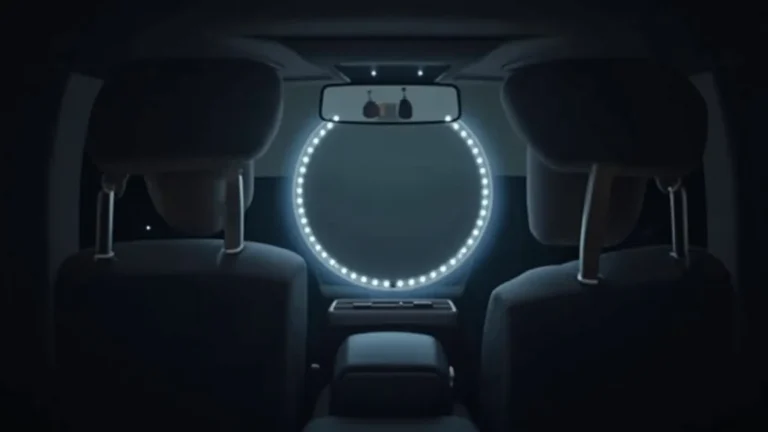
If you’re hearing an annoying interior led dome light buzzing noise, don’t worry! It’s actually a pretty common problem, especially for people just starting to learn about car electronics. This guide makes fixing it super simple. You’ll get clear steps and easy explanations to help you understand what’s causing the buzz and how to make it go away. Let’s find out what’s really happening and how to silence that buzzing sound right now.
Identifying the Source of the Buzzing
Before you can fix the buzzing, you need to find out where it’s coming from. Pinpointing the source is the first and most important step. Is the sound definitely coming from your interior LED dome light? Sometimes, other electrical parts can create similar noises. This section will guide you through the process of correctly identifying the buzzing sound to ensure you’re addressing the right issue. Once you’re sure it’s the dome light, you can move on to the next steps. This ensures a focused approach to solve your problem, saving you time and effort.
The Role of LED Lights in Your Car
LED (Light Emitting Diode) lights have become standard in cars for several reasons. They are energy-efficient, lasting much longer than older incandescent bulbs. This means less frequent replacements, saving you money and effort. Also, LEDs produce a brighter, clearer light, improving visibility inside your vehicle. The small size of LEDs allows for flexible design, fitting into various spaces, including your dome lights. Furthermore, LEDs turn on instantly, unlike some older bulbs, which can take a moment to warm up. They also handle vibrations better, common in vehicles, making them a very reliable choice.
- Efficiency. LED lights use much less electricity than older types of bulbs. This is good for your car’s battery and saves on fuel since your car’s alternator doesn’t have to work as hard to power the lights. For example, a typical LED dome light might use only 5 watts, while an incandescent bulb could use 10-15 watts.
- Lifespan. LEDs can last for tens of thousands of hours, which is a big difference compared to older bulbs that often burned out quickly. This means less often you need to replace your dome lights.
- Brightness. LED lights produce a brighter light than incandescent bulbs, making it easier to see inside your car at night. The light is clearer and sharper, improving visibility without increasing power consumption significantly.
- Size and Design. LEDs are much smaller than traditional bulbs, allowing them to fit into tighter spaces and be designed in more creative ways. This also allows for sleeker and more modern light fixtures in your car.
- Instant On. LEDs turn on right away when you flip the switch, unlike some other lights that take a moment to warm up. This quick response is very helpful when you need instant light inside your car.
Diagnosing the Buzzing Sound
The first step in dealing with the interior led dome light buzzing noise is correctly diagnosing it. Carefully listen to the sound. Is it a constant buzz, or does it come and go? Does the noise change when you turn other lights on or off? Try turning the dome light on and off multiple times to see if the sound changes. Also, take a look at the light itself. Are there any flickering or dimming issues? These observations will help you pinpoint the cause of the buzzing. Gathering information helps you choose the best repair steps.
- Test other lights. Turn on all the interior lights to see if the buzzing comes from other lights or the buzzing is only from your dome light. If other lights make noise, the issue is more likely a bigger electrical problem.
- Listen closely. Focus on the exact sound. Is it a high-pitched buzz, or a low hum? The type of sound can suggest where it’s coming from (like a loose connection or the light itself).
- Check the voltage. If you have a multimeter, measure the voltage going to the light. Compare it to what the light is rated for. If there is a big difference, you may need a new wiring setup or light.
- Observe when the sound happens. Does the buzzing start when you start the car, when the light is turned on, or at a specific time? The timing of the sound provides useful clues.
Common Causes of Interior LED Dome Light Buzzing
The interior led dome light buzzing noise can be caused by various factors, but usually, it’s related to the electrical system. Understanding these common causes is key to finding a simple solution. Issues range from loose connections to problems with the LED itself or the power supply. Recognizing these common problems empowers you to start the repair process confidently. Let’s explore what usually makes these lights buzz and what you can do about it.
Loose Connections
One of the most common causes of buzzing sounds is a loose connection. This happens when the wires aren’t making firm contact. It can cause an inconsistent flow of electricity. It’s like a small gap in a pipe causing water to make a noise as it struggles to pass through. When the wires are loose, they can vibrate and create the buzzing sound you’re hearing. This happens mostly with the constant movement in the car. Checking connections is an easy first step to fixing the problem. Tightening these connections often solves the issue. This is a common and often easily fixed cause of the buzzing sound.
- Wire Connections. Loose wire connections are very common. Check the wires going into and out of the light fixture. Make sure they are firmly connected to the terminals or connectors.
- Grounding Issues. The ground wire is important. It provides a path for electricity to return to the battery. A loose or corroded ground connection is a common cause of buzzing. Locate the ground wire for the light and check it.
- Corrosion. Corrosion can build up on wire connections over time. This can cause poor electrical contact and buzzing. Carefully inspect all connections for any signs of corrosion. Cleaning the corroded connections will fix the problem.
- Vibration. Car vibrations can loosen connections over time. This is especially true in older vehicles or those that experience a lot of rough driving. It’s a very common cause of buzzing.
Problems with the LED Driver
LEDs, unlike older incandescent bulbs, need a special device called a “driver” to work properly. The driver regulates the electricity. It makes sure the LED gets the correct voltage and current. A driver problem will often be the cause for the interior led dome light buzzing noise. If the driver is damaged or faulty, it can cause the buzzing sound. Replacing the driver is a typical fix. Other causes can be the age of the driver or overheating. Recognizing driver problems will speed up your repair process.
- Faulty Components. Inside the driver, there are a number of electrical components, such as capacitors and resistors. If one of these components fails, it can cause the driver to malfunction and create a buzzing sound. This is very common, and the components can go bad due to age.
- Overheating. LED drivers generate heat as they work. If the driver overheats, it can fail. Overheating can be caused by poor ventilation or a driver that is too small for the load.
- Voltage Issues. LEDs require a specific voltage to operate. If the voltage supplied to the driver is inconsistent or too high, it can lead to buzzing. Voltage issues can be linked to other electrical problems in your car’s system.
- Quality of Driver. Low-quality drivers are more prone to failure. Buying quality LED lights with good drivers reduces the chances of having these problems.
Issues with the Power Supply
The power supply of the car is very important for all electrical components. If the power supply, like the battery or alternator, is having problems, it can affect the dome light. For instance, if the battery is not producing enough power or if the alternator is fluctuating, it can make the LED light buzz. Likewise, the light’s wiring can also cause the buzzing. This is because old or damaged wires might not be able to send enough power. If the power supply is the issue, other electrical parts in the car might also show problems, like dimming headlights.
- Battery Problems. A weak or failing car battery can cause voltage fluctuations, leading to buzzing. The battery’s main job is to provide a constant power source. A bad battery can’t do this, and the lights will buzz.
- Alternator Issues. The alternator is responsible for charging the battery while the engine is running. A failing alternator may not supply enough power. This can also cause the voltage fluctuations that lead to buzzing.
- Wiring Problems. Old or damaged wiring can cause resistance and voltage drops. This can cause the lights to buzz. Check the wires going to and from the dome light for any signs of damage or corrosion.
- Fuse Issues. A fuse protects the electrical circuit from damage. A loose or failing fuse can interrupt the power supply to the dome light. This can cause the buzzing sound. Make sure the fuse for the dome light is in good condition.
Step-by-Step Fixes for the Buzzing Noise
Now, let’s get into the step-by-step methods to fix that annoying interior led dome light buzzing noise. By following these steps, you’ll be able to troubleshoot and fix most of these issues. If you do not have electrical experience, you may want to consult a mechanic. However, these are simple steps that most can perform with basic tools. Each step builds on the last, helping you find and solve the problem. Take your time, stay safe, and be patient.
Safety First: Preparation and Tools
Before you begin, safety should be your top priority. Working with car electrical systems can be risky if not handled properly. This includes disconnecting the car’s battery to prevent electrical shocks. Also, make sure you have the right tools before you begin. Having everything prepared beforehand saves time and guarantees a safe work environment. The right tools and safety measures are important for a job well done. These simple steps can make the task much easier. Let’s get started.
- Disconnect the Battery. Disconnect the negative (black) terminal of your car’s battery before doing any electrical work. This stops any accidental short circuits or shocks. Place the terminal away from the battery to avoid making contact.
- Gather Your Tools. You will need tools such as a screwdriver set, wire strippers, electrical tape, a multimeter (for checking voltage), and a flashlight. Have all your tools close by.
- Wear Safety Glasses. Protecting your eyes is very important. Always wear safety glasses or goggles while working to protect your eyes from any debris or splashes.
- Work in a Well-Lit Area. Make sure you have good lighting to see what you are doing. This is very important when working with small wires and connections inside the car.
Checking and Securing Connections
Now, we will focus on the most common cause: loose connections. Start by finding the dome light and the wiring. Then, examine the connections for any looseness or damage. Tightening loose wires or replacing damaged ones can solve your buzzing noise. This section gives you the steps to check, fix, and ensure that the connections are secure. By carefully doing these things, you increase the chance of stopping the buzzing.
- Access the Light Fixture. First, remove the dome light cover. This usually involves gently prying it off with a flathead screwdriver or removing a few screws. Carefully remove the cover so you don’t break any plastic tabs.
- Inspect the Wiring. Look at the wires going into the light fixture. Check for any loose wires, frayed insulation, or corrosion. Make sure the wires are securely connected to the terminals.
- Tighten Connections. If you find any loose connections, use a screwdriver or pliers to tighten them. Make sure the connections are secure.
- Check the Ground Wire. The ground wire is critical for the light to work correctly. Locate and check the ground connection to make sure it’s secure. Remove any corrosion or rust that you find.
Troubleshooting the LED Driver
If securing connections does not solve the buzzing, you may have a problem with the LED driver. The driver controls the power sent to the LED lights. Finding out if the driver is bad requires specific steps. This section shows how to find the driver, test it, and decide whether to replace it. Identifying and fixing the driver is essential for stopping the interior led dome light buzzing noise. Now, let’s explore how to get the driver working correctly.
- Locate the Driver. Many LED lights have built-in drivers. This driver is usually inside the light fixture. Sometimes, it might be separate. Consult the light’s instructions or specifications to find where the driver is located.
- Check for Visual Damage. Carefully look at the driver for any signs of damage, such as burnt components, bulging capacitors, or any melted plastic. Any obvious damage means the driver needs replacing.
- Test the Voltage. Use a multimeter to measure the voltage going into the driver and coming out to the LED. Make sure the output voltage matches the LED’s specifications. If the voltage is too high or too low, the driver might be faulty.
- Replace the Driver. If the driver seems faulty, the best option is to replace it. Buy a new driver that matches the specifications of your LED dome light. Make sure to carefully connect the wires according to the instructions.
Addressing Power Supply Issues
Sometimes, the buzzing problem comes from how power is supplied. If the battery, alternator, or wiring is faulty, the light may buzz. This part looks into the car’s power system to see what’s wrong. You will learn how to inspect the battery, check the alternator, and look for wiring problems. Fixing the power supply issues can solve the interior led dome light buzzing noise and other electrical problems in your car.
- Check the Battery. Start by testing your car’s battery. Use a multimeter to measure the voltage across the battery terminals. A fully charged battery should show about 12.6 volts. If the voltage is too low, charge the battery or replace it.
- Test the Alternator. The alternator charges the battery when the engine is running. Use the multimeter to test the alternator’s output voltage while the engine is running. The voltage should be between 13.5 and 14.5 volts. Low voltage means the alternator is failing.
- Inspect Wiring. Carefully check the wiring connected to the dome light for any damage. Look for frayed wires, cracked insulation, or corrosion. Bad wiring can cause voltage drops and buzzing.
- Check the Fuses. Make sure the fuse for the dome light is in good condition. A blown or loose fuse can interrupt power to the light. Replace a blown fuse. Ensure the fuse size matches what is needed.
| Issue | Possible Solution |
|---|---|
| Weak Battery | Charge or replace the battery. |
| Faulty Alternator | Replace the alternator. |
| Loose Wiring | Tighten or replace loose wires. |
| Blown Fuse |
Frequently Asked Questions
Question: Why is my interior LED dome light buzzing?
Answer: The buzzing can be caused by loose connections, a failing LED driver, or power supply issues like a weak battery or alternator problems.
Question: How can I tell if the buzzing is from a loose connection?
Answer: Check the wires in the light fixture. Make sure the connections are secure. Look for any wires that are not properly connected.
Question: What is an LED driver and why does it matter?
Answer: An LED driver regulates the electricity for the LED light. Problems with the driver can cause buzzing and other issues, such as flickering or dimming.
Question: Can I fix the buzzing myself, or do I need a mechanic?
Answer: You can often fix the buzzing yourself by checking connections and replacing the LED driver. However, more difficult problems, such as alternator problems, may require a mechanic.
Question: Is it safe to work on the electrical system of my car?
Answer: Yes, if you take precautions. Always disconnect the negative battery terminal before doing any electrical work.
Final Thoughts
Dealing with that interior led dome light buzzing noise can be a bit irritating, but it is often simple to fix. You learned to pinpoint the issue. Check the connections, look at the driver, or inspect the power supply to find the cause. You explored the common culprits like loose wires and driver problems. Remember, start with safety: disconnect the battery, have your tools ready. You now have the knowledge to fix this issue yourself. The next time you hear that buzz, you’ll know what to do. You can find the problem and get your dome light working quietly again.