Are Yellow Headlights Legal in California? A Complete Guide
Picture this: You’re cruising down a California highway at dusk, the setting sun casting long shadows, and you spot a car with vibrant, yellow headlights. You might wonder, are they even allowed? This guide explores the legalities surrounding headlight colors in the Golden State, offering a clear explanation of the rules and regulations. By the end, you’ll have a solid grasp of what’s permitted, helping you avoid potential issues with law enforcement and ensure your vehicle complies with California’s vehicle code. You’ll gain valuable knowledge that saves you time and possible penalties.
California’s Headlight Regulations Explained
California, like many states, has specific rules about vehicle equipment, including headlights. These regulations are in place to ensure road safety, promote visibility, and prevent driver distraction. The primary goal is to standardize what is permissible on roadways, reducing the risk of accidents caused by improperly equipped vehicles. The California Vehicle Code (CVC) outlines these requirements, covering aspects like headlight color, brightness, and positioning. It’s important to be familiar with these rules to stay compliant and avoid any legal trouble.
Permitted Headlight Colors
The California Vehicle Code specifies the acceptable colors for headlights. Generally, headlights must emit white or amber (yellowish-orange) light. White headlights are standard and widely used, providing excellent visibility in various conditions. Amber headlights, or sometimes called selectively yellow headlights, are also allowed, though their use is often associated with certain situations or vehicle types. Any color outside of these is generally not permitted and can lead to violations.
Many believe that amber headlights cut through fog and haze better than white lights. This belief stems from the scientific properties of light scattering. Shorter wavelengths, like blue light, are scattered more by tiny water droplets in fog, reducing visibility. Longer wavelengths, like those found in amber light, are scattered less, allowing for better penetration. However, the legal definition of amber is key, it can’t be an intense yellow or a shade of orange.
- White Headlights: These are the most common and are standard for most vehicles. They provide clear illumination of the road ahead and are suitable for most driving conditions.
- Amber/Selectively Yellow Headlights: These lights, which fall within the amber spectrum, are permitted but may be subject to certain restrictions. They are sometimes used in fog lights, which are designed to cut through dense atmospheric conditions better.
- Restrictions: The regulations explicitly prohibit other headlight colors, such as blue, red, or green, as they can cause glare and confuse other drivers.
Headlight Brightness and Output Standards
Brightness is as important as color when it comes to headlights. Regulations dictate the minimum and maximum luminous intensity to ensure that lights are bright enough to illuminate the road without causing excessive glare. Headlights must be bright enough to provide adequate visibility in various conditions, but not so bright as to blind other drivers. These standards are enforced to maintain safety and prevent dangerous situations.
The Society of Automotive Engineers (SAE) sets standards for headlight brightness and output. These standards influence the design and manufacture of headlights, ensuring that they meet required performance levels. Federal Motor Vehicle Safety Standards (FMVSS) also play a role, ensuring headlights meet certain performance criteria for safety. Headlight intensity is usually measured in candelas or lumens.
- Maximum Brightness: There are limits to the maximum light output to prevent glare.
- Minimum Brightness: Headlights must be bright enough to provide adequate visibility.
- Testing and Certification: Headlights must meet certain performance criteria to be certified for use.
- Legal Enforcement: Law enforcement can issue citations if headlights exceed brightness limits.
The Legality of Yellow Headlights in California
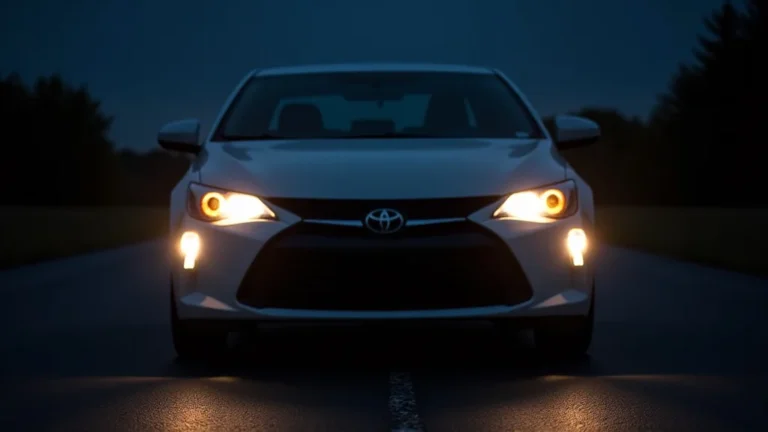
The question of whether are yellow headlights legal in california is nuanced, so understanding the specifics is important. While the term “yellow” can be broad, the law permits a specific shade of amber, which can appear yellowish-orange. The crucial factor is that the light emitted falls within the acceptable range defined by California vehicle code. Many vehicles come with factory-installed amber fog lights, which are specifically designed to improve visibility in foggy conditions and adhere to these regulations. However, modifying headlights to emit a bright, solid yellow that is not within the defined amber spectrum can be problematic.
The shade of yellow is critical. If the color falls within the approved range of amber, it’s generally legal. However, if the yellow is too intense, bright, or resembles colors not permitted (e.g., green), it violates the law. The positioning of yellow lights also matters. Amber fog lights positioned appropriately are often legal, but the use of yellow headlights for general driving might be restricted. If the headlights are factory-installed or aftermarket but meet the legal specifications, they are permissible.
Specific Regulations on Amber/Yellow Headlights
California Vehicle Code (CVC) sections outline the specific rules for headlight colors. Section 24603 discusses lighting equipment and mandates the types of lights that are allowed. However, CVC doesn’t explicitly restrict amber (yellowish-orange) lights. Rather, it focuses on prohibiting colors like red or blue. Fog lights are specifically mentioned in various regulations, which is why amber fog lights are generally permitted. These laws ensure vehicles meet standards for safety, and limit the chance of distracting others.
Different types of lights have their own rules. For example, fog lights must be positioned and aimed correctly. The CVC does not define the intensity or angle for amber headlights but instead regulates their overall usage. Headlights are designed to illuminate the road ahead, while fog lights are intended to improve visibility in poor conditions.
- Acceptable Amber Hue: The emitted light must be within the defined amber spectrum.
- Fog Light Regulations: Amber fog lights are permitted, but must be properly installed and aimed.
- Aftermarket Modifications: Headlights modified to produce a non-compliant yellow color are illegal.
- Enforcement: Law enforcement officers have the discretion to determine if lights are compliant.
Factors Influencing the Legality
Several things affect whether yellow headlights are legal. One major factor is whether the lights are original equipment, or modifications. Another thing is the type of light being used, as there are many different types. Any aftermarket modification must comply with all relevant state laws. The officer’s judgement in the field can also affect if you get cited.
Another factor is the type of vehicle. For instance, the regulations may differ for commercial vehicles compared to private passenger cars. Headlights on specific vehicles must meet all safety standards. For instance, certain vehicles, like emergency vehicles, are permitted to have specific lights for identification and safety. Make sure the lights do not obstruct the view of others.
- Original Equipment vs. Aftermarket: Factory-installed amber lights generally comply with regulations. Aftermarket modifications must also comply.
- Type of Lights: Fog lights, headlights, and other lighting systems have their own specifications.
- Vehicle Type: Commercial vehicles might have different rules.
- Officer’s Discretion: Law enforcement officers have the authority to determine if lights violate regulations.
Consequences of Illegal Headlights
Using illegal headlights in California can lead to several consequences. These penalties are in place to ensure compliance with road safety regulations and to prevent potential hazards. The severity of the penalty depends on the specific violation and the officer’s judgement. It’s best to avoid any issues by ensuring that your vehicle complies with all applicable regulations.
The primary concern is safety. Non-compliant headlights can affect visibility and cause glare, increasing the risk of accidents. Beyond that, the driver may face a traffic ticket. The driver might also have to fix the lighting issue and have it inspected to prove it is fixed, which will incur additional costs. The penalties are designed to deter violations and ensure that vehicles are safe to operate on California roads.
Traffic Tickets and Fines
A violation for illegal headlights can result in a traffic ticket, often leading to fines. The amount of the fine varies, but it is typically a monetary penalty. Fines can add up, and if not addressed, can lead to more serious legal action. It’s a matter of ensuring drivers adhere to the laws set for vehicle equipment.
Tickets for headlight violations can range from a warning to a fine. The cost of a ticket depends on the specific violation and the local jurisdiction. Some violations require a mandatory court appearance. In addition to the fines, having a ticket on your driving record could affect your insurance rates.
- Monetary Fines: The primary penalty for illegal headlights is a fine.
- Points on Driving Record: Some violations can result in points being added to your driving record.
- Court Appearances: Certain violations may require a court appearance.
- Impact on Insurance: Violations can affect your insurance rates.
Vehicle Inspections and Corrections
If you get a ticket for illegal headlights, you might also have to get the vehicle inspected and correct the violation. This usually involves either replacing the headlights with compliant ones or having the existing lights adjusted. You’ll need to demonstrate compliance to avoid further penalties.
The process usually involves visiting a certified inspection station. The inspector will verify that the headlights meet all legal requirements. The vehicle must pass the inspection before the ticket can be cleared. You will also be responsible for any expenses incurred to correct the violations, such as
- Mandatory Inspections: You will likely have to get your vehicle inspected.
- Corrections Required: You will have to replace or adjust the headlights.
- Proof of Compliance: You’ll need to provide documentation to the court.
- Additional Costs: You will be responsible for costs associated with the corrections and inspection.
Safety Implications of Non-Compliant Headlights
Non-compliant headlights compromise road safety in various ways. Improperly colored headlights can reduce visibility for the driver and create glare for other drivers. This can contribute to dangerous driving conditions and increased accident risk. Ensuring that your vehicle’s headlights meet legal standards helps promote safer driving for everyone on the road.
Headlights that are too bright can cause glare, impairing the vision of other drivers and increasing the risk of accidents. Other colors, like blue or green, can be distracting and can be mistaken for emergency vehicles. By complying with headlight regulations, drivers contribute to the well-being of the entire community.
- Reduced Visibility: Illegal lights can reduce visibility for the driver.
- Glare for Other Drivers: Bright or improperly aimed headlights can cause glare.
- Distraction: Non-standard colors can be distracting.
- Increased Accident Risk: All these factors can increase the risk of accidents.
Best Practices for Headlight Compliance
Maintaining headlight compliance is essential for both your safety and avoiding legal issues. The main step is to understand and follow all California laws. This means knowing the permitted headlight colors and brightness levels. Make regular inspections of your headlights to be sure they are working. This can help you to catch and fix issues. If you modify your lights, do so with safety and legality in mind.
Make sure your headlights are correctly aimed. Misaligned headlights will not provide the best possible visibility. If the headlights are factory-installed or from a trusted source, you should be in good shape. By sticking to these recommendations, you can have a safe and compliant lighting system on your vehicle.
Understanding California Vehicle Code
A key aspect of compliance is staying current with the California Vehicle Code (CVC) concerning vehicle equipment. The CVC provides the regulations for all equipment, including headlights. You can easily find it online. Regularly review these sections to ensure that your vehicle’s headlights meet the latest standards. This understanding protects you from legal problems.
The CVC is updated periodically. The regulations can change, so it’s a good idea to stay informed about any new rules or modifications to the existing ones. Local law enforcement agencies and the California Department of Motor Vehicles (DMV) are good sources for the most up-to-date information. Understanding the CVC enables you to make informed decisions about your vehicle and maintain compliance.
- Regular Reviews: Stay updated by checking the CVC regularly.
- Official Sources: Use sources like the DMV for accurate information.
- Understand the Regulations: Make sure you know what is permitted and not.
- Stay Informed: Keep track of any changes to the vehicle code.
Regular Headlight Maintenance
Regular maintenance is a great way to ensure that your headlights work safely and stay legal. Do regular inspections to check the condition of your lights.
Inspect your headlights regularly, especially before long trips. Check the aiming, and make any necessary adjustments. Dirty or damaged headlight lenses can significantly reduce the amount of light that reaches the road. Keeping your headlights clean will help you maintain their performance. Making these regular inspections a habit will keep your headlights in good condition and ensure compliance.
- Routine Inspections: Inspect headlights regularly for damage or wear.
- Bulb Replacement: Replace any burnt-out bulbs quickly.
- Lens Cleaning: Clean the headlight lenses regularly.
- Aiming Adjustments: Make sure your headlights are correctly aimed.
Safe Aftermarket Modifications
If you’re considering aftermarket modifications, prioritize safety and legality. Before doing anything, be sure that the parts and modifications are legal under California law. If you’re not sure, get guidance from a professional. Be sure the modifications do not compromise the safety of your vehicle. The right kind of modifications will both improve the look and function of the lighting system. Doing this ensures your vehicle stays compliant.
Research the regulations and available products. Consult with a qualified automotive technician to make sure that any modifications meet legal standards. Ensure that your modifications don’t create glare or reduce visibility. By considering these steps, you can modify your headlights while remaining compliant. Choose high-quality products from trusted manufacturers and be sure to check that the work is done properly.
- Research Regulations: Learn the legal requirements for any modifications.
- Professional Guidance: Seek advice from qualified professionals.
- Prioritize Safety: Don’t compromise safety for appearance.
- Quality Products: Choose high-quality parts that meet standards.
Frequently Asked Questions
Question: Are all yellow headlight modifications legal in California?
Answer: No, the legality of yellow headlights depends on the shade. Specifically, it must fall within the accepted amber (yellowish-orange) range, as defined by California vehicle code. Pure or intense yellow colors that are outside this range are not permitted.
Question: Can I use amber fog lights on my car?
Answer: Yes, amber fog lights are generally legal in California, provided they are properly installed, aimed, and meet all the necessary specifications. They’re designed for use in foggy conditions to improve visibility.
Question: What happens if I get a ticket for illegal headlights?
Answer: You will likely receive a traffic ticket and a fine. You might also need to correct the headlight violation, which includes having the vehicle inspected to prove the corrections have been made to satisfy legal requirements.
Question: Where can I find the specific headlight regulations?
Answer: The California Vehicle Code (CVC) contains the detailed regulations about vehicle equipment, including headlights. You can access the CVC online on official state government websites or through legal resources.
Question: Do I need to get my headlights inspected after making modifications?
Answer: It’s a good idea to ensure your modifications are inspected by a qualified professional to ensure they meet the legal requirements. If you receive a ticket or have to rectify a problem, you might be required to have your vehicle inspected to verify compliance.
Final Thoughts
Navigating the specifics of are yellow headlights legal in california requires a clear understanding of the California Vehicle Code. The state allows amber (yellowish-orange) headlights, mainly because they are a part of fog lights, and these headlights are designed to improve visibility in certain conditions. However, the exact color is critical. Any modification to your headlight system should comply with the regulations and not impact the safety of others on the road. Remember to maintain your headlights with regular inspections and be sure to stay current with any changes to the CVC. Taking these simple steps will help you comply with the law and help make the roads safer for everyone.