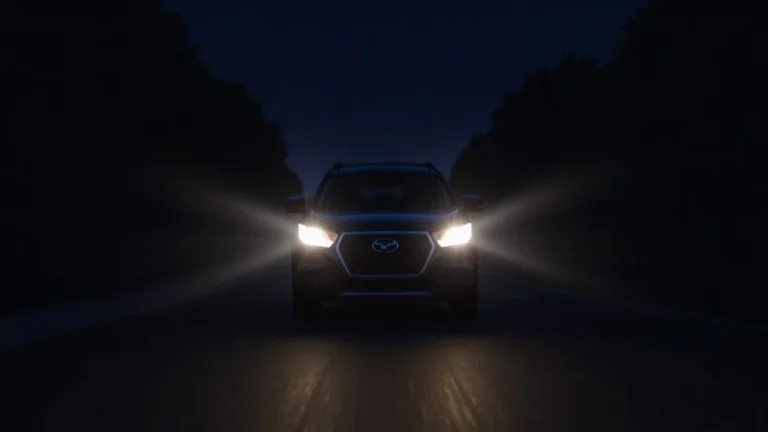
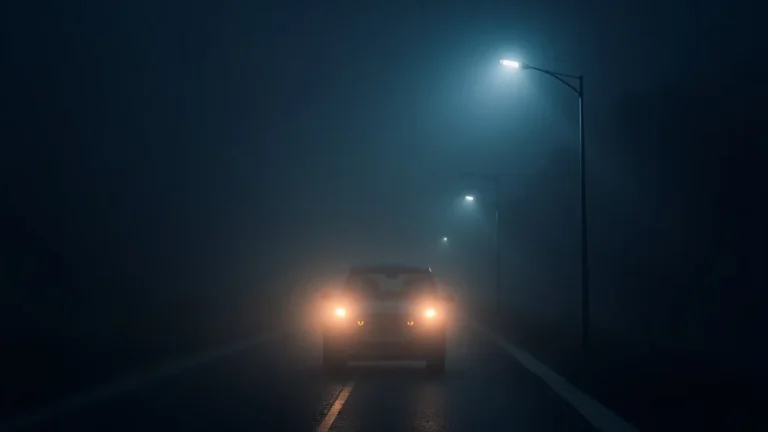
Are Tinted Headlights Legal? A Guide for Drivers
Picture this: you’re cruising down the road, and you spot a car with sleek, tinted headlights. They look cool, right? But then you wonder: are they even allowed? The law can be tricky, and it’s essential to know the rules to avoid trouble. This guide will help you sort through the regulations and find out are tinted headlights legal in different places. You’ll gain a solid grasp of what’s allowed, what’s not, and the reasons behind the laws, improving your knowledge and ensuring you stay on the right side of the road. Let’s explore the topic and make sure you’re driving legally.
Regulations and Legal Considerations
The legality of tinted headlights isn’t a simple yes or no answer. It depends heavily on where you live, as laws vary greatly by state, and sometimes even by local jurisdictions. The primary concern with headlight tinting revolves around visibility. If the tint reduces the brightness of your headlights, it can compromise your ability to see the road at night and reduce the ability of other drivers to see you. This can increase the risk of accidents. Laws are designed to ensure safety for everyone on the road. Many regulations specify the permissible level of tint, or they prohibit it altogether. Understanding these regulations is important to ensure compliance and driving safety.
State-Specific Rules
Every state has its own set of rules regarding vehicle modifications, including headlight tinting. Some states have very strict laws, while others are more lenient. These laws often relate to how much light the headlights must emit to ensure adequate visibility. Many states follow guidelines based on the Society of Automotive Engineers (SAE) standards. This means that if your headlights fail to meet the required light output, you could face fines, or even be ordered to remove the tint. Researching your state’s specific laws is important. You can find this information through your state’s Department of Motor Vehicles (DMV) website or by consulting legal resources specific to your area.
- California: California has specific laws concerning vehicle modifications. Any modifications to headlights are subject to strict regulations. Generally, tinting headlights is not allowed, as it can reduce visibility and violate safety standards. Always verify the most recent regulations.
- Texas: In Texas, headlight modifications are regulated. While the specific regulations can shift, tinting headlights in a way that significantly reduces their brightness is often not permitted. It is wise to review the Texas Transportation Code for the most up-to-date information.
- Florida: Florida has regulations that ensure headlights are visible. The use of tinted covers or other modifications that significantly reduce headlight output may be prohibited. Confirm current Florida statutes related to vehicle equipment.
- New York: New York State has rules about vehicle lighting. These rules often restrict modifications to headlights that impair their function or visibility. Review New York’s Vehicle and Traffic Law for precise guidelines.
- Illinois: Illinois has vehicle equipment rules that address lighting. These frequently include restrictions on modifications to headlights that diminish their effectiveness. Check with the Illinois Secretary of State’s office for current requirements.
These are just examples; always check the current laws in your specific state. You can often find the most up-to-date and accurate information on your state’s DMV website or through legal resources specializing in vehicle regulations.
Federal Standards and Guidelines
While states create and enforce their own laws, federal guidelines also affect headlight regulations. The National Highway Traffic Safety Administration (NHTSA) sets federal motor vehicle safety standards (FMVSS). These standards cover vehicle lighting equipment. They focus on factors like light output, beam pattern, and the color of the light. While the NHTSA doesn’t specifically ban tinted headlights, it does enforce standards that ensure adequate visibility. If a tinted headlight doesn’t meet these federal standards (because it reduces light output), it could be considered illegal even if the state has less stringent rules. Compliance with both state and federal regulations is important to avoid legal issues and maintain road safety.
- FMVSS 108: FMVSS 108 regulates vehicle lighting equipment, including headlights. This standard sets performance requirements for lighting, such as intensity, aiming, and color. Headlight modifications, including tinting, must adhere to these standards to ensure they don’t reduce visibility below acceptable levels.
- SAE International: The Society of Automotive Engineers (SAE) International develops technical standards for vehicle components. SAE standards often serve as a basis for state laws regarding headlight performance. Headlight tinting might be considered illegal if it causes the lights to fail to meet SAE standards related to light output and beam pattern.
- Enforcement and Recalls: The NHTSA has the power to recall vehicles and equipment that do not meet federal safety standards. If a manufacturer produces headlights with tinting that violates FMVSS 108, the NHTSA can order a recall. This underscores the need for manufacturers and vehicle owners to comply with federal guidelines.
In short, federal standards aim to establish a base level of safety, while states can adopt or modify these guidelines. This dual system makes it vital to know both the federal standards and your state’s specific laws to stay compliant.
Understanding Light Output and Visibility
The core of the legal debate around tinted headlights comes down to light output and visibility. Headlights are designed to illuminate the road and make your vehicle visible to other drivers, particularly during times of reduced visibility like night, rain, or fog. Tinting the headlights can decrease their brightness, which can severely impact these functions. Reduced visibility is a serious safety concern and can significantly increase the risk of accidents. It’s crucial to understand how light output affects safety to appreciate why regulations exist and what they aim to protect.
Measuring Light Output
Headlight light output is usually measured in lumens or candela. Lumens measure the total amount of light emitted by the light source, while candela measures the intensity of light in a particular direction. The amount of light headlights need to emit is determined by specific standards, such as those set by the SAE and FMVSS. Any modification that significantly reduces the light output below these standards can be deemed illegal. Light output can be measured using special tools, but you can often determine its effectiveness through visual checks, particularly at night or in adverse weather.
- Lumens: Lumens are a standard unit of measurement for the total amount of light emitted by a light source, like a headlight. The higher the lumen count, the brighter the light. Tinting headlights can reduce the lumens emitted. Laws often specify minimum lumen requirements to ensure that headlights are bright enough to illuminate the road properly.
- Candela: Candela measures the intensity of light in a specific direction. Headlights have a particular beam pattern designed to focus light where it’s most needed. Tinting can affect not only the overall light output but also the beam pattern, which is especially important for safe driving.
- Testing and Certification: Vehicle lighting systems must pass certain tests and get certifications. These tests check the light output, beam patterns, and color temperature. If your headlights have been modified, they may need to be retested to ensure they comply with legal requirements.
Impact on Night Driving and Safety
Diminished headlight performance due to tinting can have substantial effects on night driving. Reduced light output lowers visibility, making it harder to see obstacles, pedestrians, and other vehicles. This significantly increases the risk of accidents, especially in areas with poor lighting. Tinted headlights can also make it more difficult for other drivers to see your car. This is particularly problematic in foggy or rainy conditions, where visibility is already reduced. The resulting decreased reaction time and the potential for misjudgment contribute to a less safe driving environment.
- Reduced Visibility: Tinting headlights can diminish the driver’s ability to see the road ahead, as well as the ability of other drivers to see your vehicle. This is especially dangerous in poor weather. This is an immediate hazard, as it impacts the driver’s ability to react to potential hazards quickly.
- Glare and Reflections: Tinted headlights can intensify glare, particularly when the road is wet. This glare can make it harder for other drivers to see. Reduced visibility from glare is a significant hazard.
- Reaction Time: Impaired visibility extends reaction times, making accidents more probable. The decreased reaction time is a primary factor in vehicle accidents.
- Increased Accident Risk: Reduced visibility from tinted headlights has the potential to raise accident rates, particularly at night.
Types of Tinting and Their Legal Implications
The type of tint used on headlights can have different legal implications. Not all tinting methods are created equal, and some are more likely to violate legal standards than others. Some methods can dramatically reduce light output, while others have less impact. It is crucial to know the different kinds of tinting and their effects on visibility. This can help you better grasp which modifications are more likely to cause problems and which might be considered acceptable.
Tint Film
Tint film is a popular and relatively simple way to tint headlights. It involves applying a colored film to the headlight lens. The film can vary in color and darkness, with some films designed to be quite subtle and others more opaque. While applying film is generally easy, the choice of film and the level of darkness it creates are vital for legal compliance. Darker films will often reduce light output more, potentially breaking legal limits. It’s important to choose film that allows for adequate light transmission to avoid legal complications and to ensure safe driving conditions.
- Types of Film: Various kinds of tint films exist, including those made of polyester, and others with ceramic properties. Each type has different optical properties and varying levels of light reduction. Understanding these differences can assist in choosing a film that balances visual style with safety.
- Installation: Proper installation is important to avoid bubbling or uneven distribution of the tint. Poor installation can negatively affect light output, causing a further reduction in visibility.
- Light Transmission: The percentage of light that passes through the film is a key factor. Most laws specify a minimum percentage of light transmission required for headlights, so choosing a film that allows for sufficient light to pass through is important.
- Removal: Being able to remove the tint is important if your vehicle fails to meet the regulations.
Spray-On Tint
Spray-on tints are a more permanent option. This process involves spraying a tinted coating onto the headlight lenses. Spray-on tints can be more challenging to apply evenly than film. The outcome depends heavily on the sprayer’s skill and the quality of the product. The main thing to be aware of is the impact on light output. The spray can reduce brightness significantly, more so if applied in too thick of a layer. Also, spray-on tints might be harder to remove than film. This means it may be more difficult to rectify the situation if your headlight tinting does not comply with regulations.
- Application Process: The application procedure can be complex, involving the preparation of the headlight surface and the use of specialized spray equipment. Imperfect application can lead to uneven light distribution and reduce visibility.
- Durability: Spray-on tints may be more durable than films and often last longer. However, the durability can vary depending on the product’s quality and the conditions it is exposed to.
- Opacity: The opacity, or how dark the spray-on tint is, will affect light output, and needs careful consideration. A darker spray means less light getting through.
- Removal Challenges: Taking off spray-on tint can be a more difficult process and might involve solvents or professional removal services.
Alternatives and Considerations
If you like the look of tinted headlights but want to stay within the law, there are legal alternatives and other things to think about. There are ways to improve your vehicle’s style without jeopardizing safety or running into legal issues. Understanding these options, as well as the general factors to consider, will enable you to make informed decisions. These alternatives include considering different lighting solutions and the importance of professional advice to ensure compliance and safe driving.
Legal Lighting Options
There are several lighting options that offer a more legal way to customize your vehicle while improving visibility. These options can give your car a unique look without impairing the performance of your headlights. Choosing these options will help you avoid the potential legal issues associated with tinting. They often include upgrading to different types of bulbs and using stylish, legal light covers that enhance the look of your vehicle without sacrificing light output or safety.
- Upgraded Bulbs: Using brighter, more efficient bulbs is a simple way to improve your headlights’ performance. You can choose from LED or halogen bulbs with higher lumen outputs. Make sure to use bulbs that are road-legal in your state.
- Color-Changing Bulbs: Some bulbs allow you to change the color of the light they emit. However, you’ll want to review the local laws, as certain colors, like blue or red, are often restricted. The key is to select bulbs that meet federal and state color requirements.
- Light Covers: Light covers can add style to your vehicle while complying with the law. They often come in various designs and may include smoked or colored lenses. However, it’s essential to ensure any covers meet light output and transmission standards in your area.
- Professional Advice: Speak with professionals in the automotive lighting field to learn about legal options. They can give you advice about which products meet local standards and which ones will improve your vehicle’s look and performance.
Seeking Professional Advice
Before modifying your headlights, it is a great idea to speak with a professional. Auto shops that specialize in vehicle lighting can provide useful information about the legality of headlight modifications in your area. They often know about the specific laws and regulations that apply, and can advise you on the best and safest choices. Consulting with experts helps ensure that any changes made will comply with safety requirements. Professionals can also help with the installation of legal lighting upgrades, which ensures that these installations are done correctly and safely. Professional advice is valuable for anyone considering headlight modifications.
- Local Auto Shops: Go to local auto shops to consult about lighting modifications. They have knowledge of your area’s laws.
- Lighting Specialists: Find specialists who work exclusively with lighting and electrical systems. Their expertise can provide insight into the complexities of lighting modifications and compliance.
- Online Forums: Online forums dedicated to automotive topics can be useful resources. They provide real-world experiences from people who have done the same modifications. However, always confirm the advice on these forums with a professional.
- Manufacturers and Dealers: Contacting manufacturers or dealers can give you details on legal accessories that can enhance your vehicle’s aesthetics while complying with safety and legal requirements.
Frequently Asked Questions
Question: Are tinted headlights illegal everywhere?
Answer: No, the legality of tinted headlights varies by state and local laws. Some places allow it, while others have strict restrictions or outright bans. Always check the rules where you drive.
Question: What is the main reason why headlight tinting is regulated?
Answer: The primary reason for regulating headlight tinting is safety. Tinting can reduce light output, making it harder to see the road at night and decreasing visibility for other drivers.
Question: How can I find out the specific headlight tinting laws in my state?
Answer: You can find the headlight tinting laws for your state by checking your state’s Department of Motor Vehicles (DMV) website or by consulting legal resources that specialize in vehicle regulations.
Question: What are some legal alternatives to tinted headlights?
Answer: Legal alternatives include upgrading to brighter bulbs (LED or halogen), using color-changing bulbs (within legal limits), and employing light covers that enhance the look of your vehicle while maintaining visibility.
Question: Can I be ticketed for having tinted headlights, even if I think they aren’t that dark?
Answer: Yes, you can be ticketed if your headlights are found to violate local laws, regardless of how dark you think they are. Enforcement is based on whether your headlights meet the standards for light output and visibility.
Final Thoughts
Determining whether are tinted headlights legal requires a clear understanding of the rules in your location. While the appearance of tinted headlights can be appealing, it’s essential to consider the implications on visibility and safety. Laws are in place to ensure that all drivers can see and be seen, decreasing the risks of accidents. Make sure to always consult your state’s DMV or relevant legal resources to learn what is allowed where you live. Consider the various methods of tinting and the legal lighting options available to you. Prioritizing safety and compliance will not only help you stay on the right side of the law, but also contribute to safer roads for everyone. Drive safely and be informed!