Fog Lights for Snow Driving: Stay Safe and See Clearly
Driving in snowy conditions can be tricky, especially for new drivers. One common question is about fog lights for snow driving. It can be a bit confusing figuring out when to use them. Don’t worry, though! We’re here to help you get the hang of it. This guide will provide straightforward steps to help you use your fog lights safely and effectively. We’ll go over everything you need to know, from what fog lights are to how to best use them when the snow starts falling.
What Are Fog Lights and Why Are They Important?
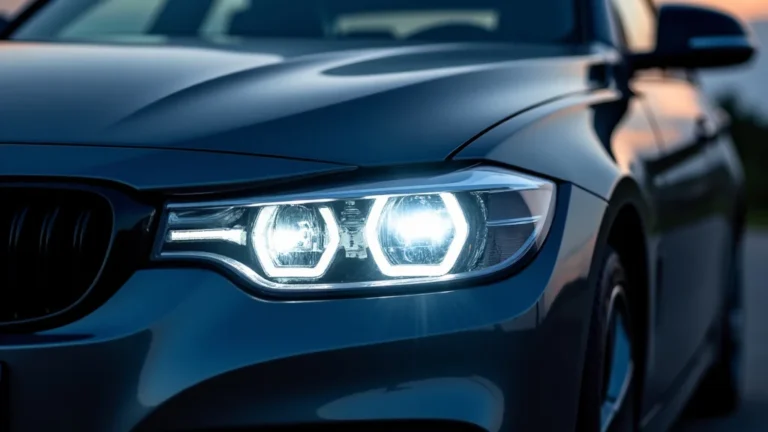
Fog lights are extra lights on your car. They are usually found lower on the front of your vehicle than your headlights. Their main job is to help you see better in conditions where visibility is poor. This includes not just fog, but also snow, heavy rain, and dust. They work differently than your regular headlights. This is because they are positioned lower, they are designed to shine a wider beam. This helps illuminate the road closer to your car and reduce glare from the snow or fog.
The Science Behind Fog Light Design
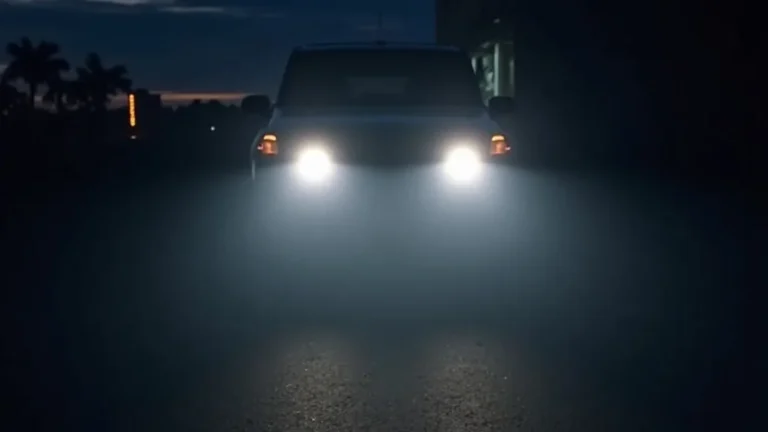
Regular headlights often aim high. This is so they shine far down the road. But in snow, this can be a problem. The light reflects off the snowflakes. This creates a blinding “wall” of light. Fog lights, on the other hand, are designed with a few key features to help with this. They are positioned low to the ground. This reduces the amount of light that reflects back into your eyes. They also have a wide, flat beam. This spreads the light across the road. This helps you see the edges of the road and any objects.
- Low Positioning: Fog lights are mounted close to the ground. This means the light travels under the snow or fog. This improves visibility.
- Wide Beam Pattern: They produce a broad, horizontal beam. This illuminates the road and the sides. This helps to see the lanes and obstacles.
- Specific Lens Design: The lenses are often designed to cut off the top of the beam. This helps to reduce glare. This allows you to see the road clearly.
- Color Considerations: Some fog lights are yellow or amber. This can improve visibility in certain conditions. This is because these colors cut through fog and snow better than white light.
- Reflector Technology: The reflectors inside fog lights are carefully designed. This helps to shape the light. This ensures it goes where it’s needed most.
These features work together to help improve your visibility. This allows you to drive safely in difficult weather. Keep in mind that fog lights are not a replacement for your regular headlights. They are meant to be used in addition to them when needed.
Using Fog Lights for Snow Driving: Step by Step
Using your fog lights for driving in the snow is pretty easy. It’s important to know the right time to use them. This is the first step. You also have to know how to turn them on. This can be different for different cars. Let’s look at a simple step-by-step guide. This will help you use your fog lights the next time you’re driving in the snow.
When to Turn On Your Fog Lights
The first thing to understand is when to turn on your fog lights. They are not for all snowy conditions. If it’s just a light dusting of snow, you probably won’t need them. The main idea is to turn them on when visibility is poor. This usually means when you can’t see far down the road. This makes it difficult to see other cars or anything else in front of you.
- Heavy Snowfall: When snow is falling hard, visibility drops. This is the perfect time to use your fog lights.
- Reduced Visibility: If you can’t see at least a few car lengths ahead, turn them on.
- Visibility Restrictions: When conditions are limiting your view, use fog lights. This helps you to see the road clearly.
- Other Drivers: If other drivers are using their fog lights, it’s a good sign you might need yours too.
Always keep your headlights on with your fog lights. This will help other drivers see you better. Using both lights will improve your safety. Remember to switch them off when conditions clear up. This is because fog lights can be distracting. It is best to use them only when needed.
How to Turn On Your Fog Lights
Turning on your fog lights depends on the car. But it’s usually easy to find the switch. Your car manual will tell you exactly where it is. Check your car’s manual if you are unsure.
- Locate the Switch: Most cars have a separate switch for fog lights. It is usually on the dashboard. It could be on the steering wheel or near the headlight controls.
- Symbol: Look for a symbol that looks like a headlight with a wavy line through it. This is the international symbol for fog lights.
- Turning On: Once you find the switch, simply turn it on. It might be a button or a dial. This activates your fog lights. Your dashboard should light up to show they are on.
- Headlights: You usually need your headlights on to activate your fog lights. Make sure your headlights are on first.
Once your fog lights are on, you should see a noticeable difference in your visibility. If you don’t, check to make sure they are working. This ensures the lights are properly functioning.
Common Mistakes to Avoid
There are some common mistakes people make when using fog lights in the snow. Avoiding these will help you drive safer. These common mistakes often involve using the lights at the wrong time or using them in the wrong way. Let’s look at some things to avoid for safe driving.
Overuse of Fog Lights
One mistake is using fog lights all the time. They are designed for conditions with limited visibility. You don’t need them if it’s not snowing heavily. They can actually be distracting to other drivers. This can make the road more dangerous.
- Using on Clear Nights: Do not use fog lights when the weather is clear. This can be blinding to other drivers.
- Bright Conditions: Turn them off when conditions improve. Switch back to your regular headlights.
- Impact on Other Drivers: Remember that fog lights can be hard to see through. Be considerate of other drivers.
If you find yourself using your fog lights when you don’t need them, it could annoy other drivers. It also makes it harder for them to see you. Using them only when needed ensures you’re driving safely. It is also respectful of other people on the road.
Ignoring Maintenance and Care
Another important thing to do is make sure your fog lights are working. You need to keep them clean and in good working order. Over time, the lenses can get dirty or damaged. The bulbs can also burn out. Here are some maintenance tips.
- Clean Lenses Regularly: Dirt and snow can block the light. Clean the lenses when needed to keep them clear.
- Check for Damage: Look for cracks or damage to the lenses. This can let water in and damage the lights.
- Replace Bulbs: If a bulb burns out, replace it right away. This keeps both your lights working.
- Regular Inspections: Get your lights checked during regular car maintenance. Make sure everything is working as it should.
Taking care of your fog lights ensures they’re ready to use when you need them. It’s also an important part of car safety. Regular maintenance extends their life. It also helps you stay safe on the road.
Other Safety Tips for Snow Driving
Driving in the snow requires more than just knowing how to use your fog lights. There are other safety measures you should take. These include adjusting your driving habits and preparing your car. Here are some extra tips to help you stay safe on snowy roads.
Adjusting Your Driving
When driving in the snow, your driving needs to be different. You should be prepared for slippery conditions. This will help you react safely to any changes.
- Slow Down: Reduce your speed, even if you are not using your fog lights. Driving slower gives you more time to react.
- Increase Following Distance: Give the car in front of you more space. This gives you time to stop if needed.
- Drive Smoothly: Avoid sudden braking or steering. These moves can cause you to lose control.
- Watch for Black Ice: Be extra careful on bridges and overpasses. They can be very icy.
If you follow these tips, you will improve your safety. Remember, it is important to be cautious. It is even more important when the weather is bad. This will help you stay safe. It also helps you get to your destination safely.
Preparing Your Car
Make sure your car is ready for the snow. This will help you drive safely. Having a well-prepared car can make a big difference.
- Check Tires: Make sure your tires have enough tread. This is important for traction in the snow.
- Winter Tires: Consider using winter tires in areas with heavy snow. They are specially designed for snowy conditions.
- Check Fluids: Make sure your antifreeze and windshield washer fluid are filled. These keep your car running smoothly.
- Emergency Kit: Carry an emergency kit in your car. Include things like a flashlight, jumper cables, and a blanket.
Being prepared is key to safe winter driving. You can handle snowy conditions. This helps you travel safely. It is always best to be ready for the unexpected.
Frequently Asked Questions
Question: When should I use my fog lights?
Answer: Use your fog lights when visibility is poor due to snow, fog, or heavy rain. Turn them on when you can’t see clearly.
Question: Do I need to use my headlights with my fog lights?
Answer: Yes, always use your headlights when your fog lights are on. This helps other drivers see you.
Question: Are fog lights the same as headlights?
Answer: No, fog lights are different from headlights. Fog lights are positioned lower on your car. They have a wider beam designed for poor visibility.
Question: Can I use my fog lights all the time?
Answer: No, fog lights should only be used in poor visibility conditions. Using them in clear weather can be distracting to other drivers.
Question: How do I know if my fog lights are working?
Answer: Turn them on and check if the lights are on. Look for the fog light symbol on your dashboard. Also, make sure to check the ground for the light’s beam.
Final Thoughts
Understanding fog lights for snow driving can make a big difference when the weather gets bad. You learned how they work. You also learned when and how to use them. You now know what to watch out for. You also learned the importance of preparing your car and changing your driving habits. Following these simple steps can help you stay safe and get to your destination. Remember to always be cautious. Always pay attention to road conditions. Now you’re ready to take on the snow with more confidence and clear visibility.